
Andalusian influencers around the world
Eugenia de Montijo: The last empress of France
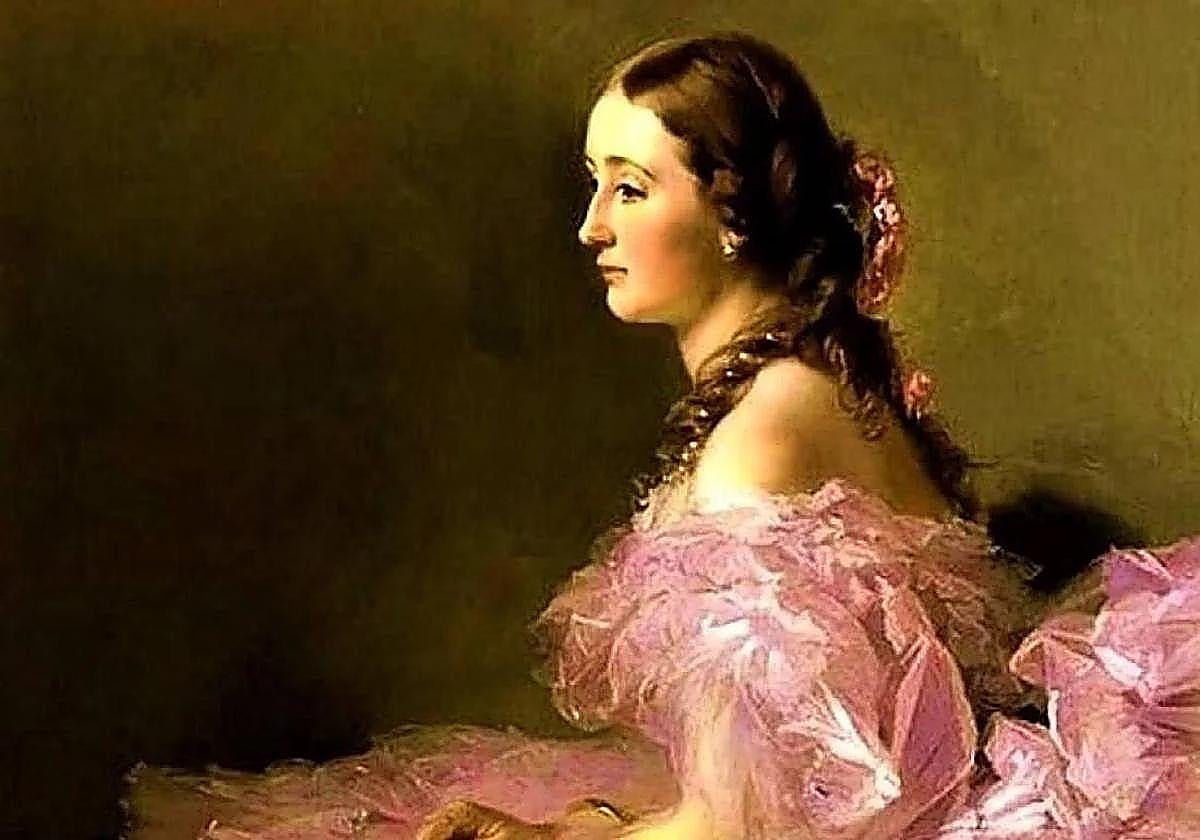
Eugenia de Montijo wielded great political influence and used her status to become a fashion icon
Jennie Rhodes
It’s not hard to find a Calle Eugenia de Montijo in Andalucía: there’s one in Fuengirola, Marbella, Cordoba and the list goes on. There are several in Granada, both in the city and the province and that is because Eugenia de Montijo was born in Granada on 5 May 1826.
Christened María Eugenia Ignacia Agustina de Palafox y Portocarrero, she was the daughter of Cipriano de Palafox y Portocarrero, 13th Duke of Peñaranda and Count of Teba and Montijo and of María Manuela Kirkpatrick de Closeburn y de Grevignée, who was of Scottish origin.
Eugenia married Napoleon III and became Empress of France in 1853. Eugenie, as she was known in the country and in the UK, had an important influence on her husband’s foreign policy.
Eugenia had her husband’s approval to get involved in French politics; he appointed her as regent on three occasions when he had to travel abroad. However, with the political power came a reputation for being frivolous and she became somewhat of a fashion icon in Paris and beyond.
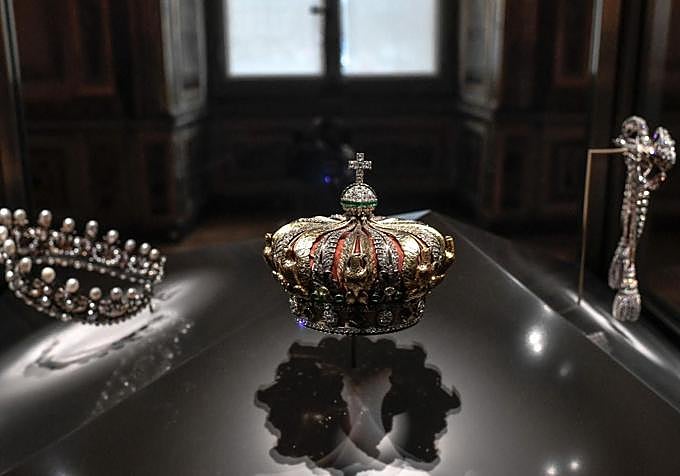
Famous for her beauty and elegance, she thought of her wardrobe as just another of her duties and used her love of clothing and jewellery to promote industrial sectors which she considered to be most in need: jewellery and textile.
Her plan certainly worked and her passion for jewellery and accessories was decisive in making Paris a global capital of fashion, which of course benefited the national economy.
Eugenia once wrote to a friend: “I have been accused of being frivolous and of loving clothes too much, but that is absurd; it amounts to failing to realise the role a sovereign must play, which is like that of an actress. Clothes are part of that role.”
The last Empress of France outlived her husband, who died in 1873 and her son Napoléon Eugène Louis Bonaparte, who died in 1879. After their deaths she withdrew from political life and went to live in Farnborough (England). She had a mausoleum built for her husband and son, Saint Michael’s Abbey, which she entrusted to Benedictine monks, who continue to live there today.
Eugenia divided the last few years of her life between England and Spain, where on 11 July 1920 she died due to kidney failure aged 94. Her body was taken to England and buried alongside her husband and son at St Michael’s Abbey.
In October 2025 Eugenia hit the global headlines once again when thieves broke into the Louvre. A crown once belonging to the empress was found at the scene of the crime, having seemingly been dropped by the intruders as they fled.
![[]](http://static.vocstatic.com/voc26/latest/assets/images/favicon/surinenglish/apple-touch-icon-57x57.png)