
Andalusian Influencers Around the World
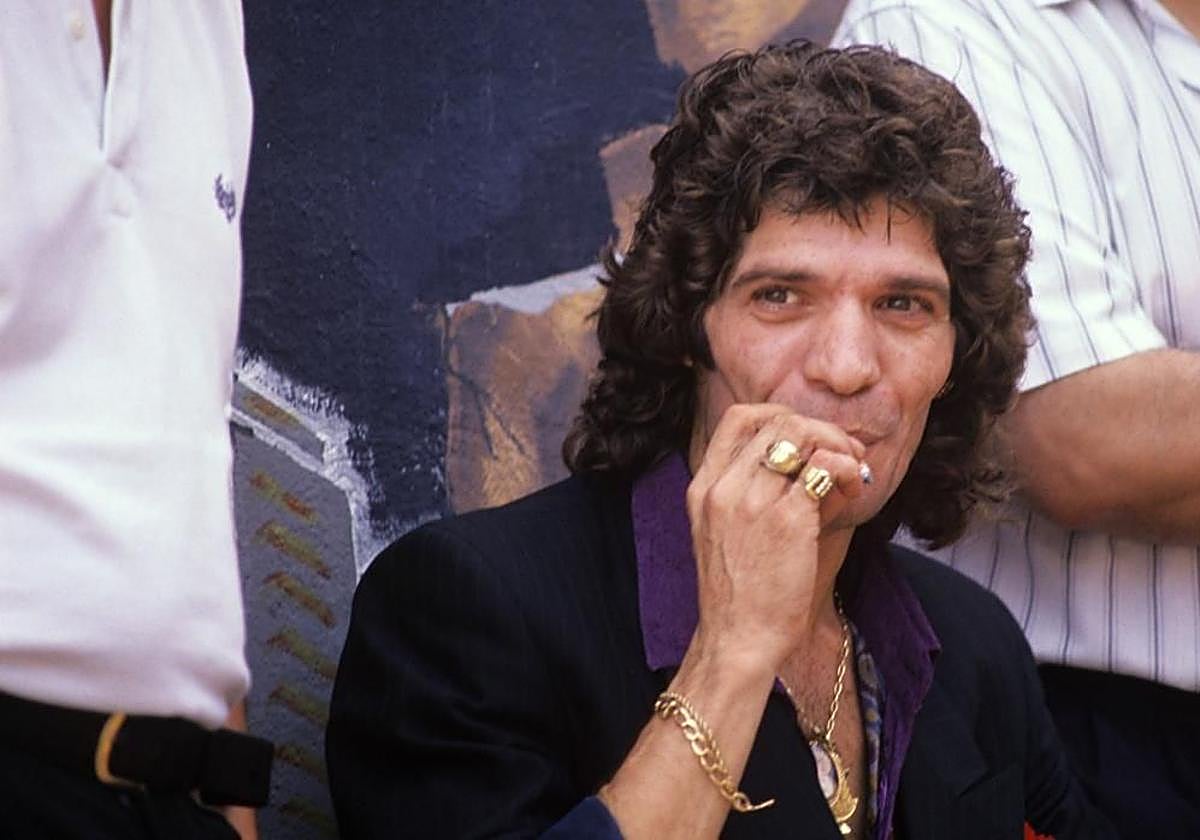
Camarón de la Isla: The Gypsy Mick Jagger
TONY BRYANT
Flamenco singer José Monge Cruz, better known as Camarón de la Isla (1950-1992), deserves recognition as one of the great musical innovators of the late 20th century. More than simply bringing flamenco to a wider audience, he transformed the genre, challenging its conventions and expanding its artistic possibilities.
Born in San Fernando (Cadiz), the Gypsy singer had a significant influence on music beyond Spain. Widely regarded as one of the most revolutionary flamenco singers of the 20th century, his influence helped take flamenco into new international musical territory. His importance was not simply that he made flamenco popular abroad, he helped change how musicians around the world understood and approached flamenco. He helped transform the art from a relatively traditional musical form into something that could incorporate rock, jazz and other international sounds.
His 1979 album, La Leyenda del Tiempo, challenged traditional flamenco conventions and helped establish what became known as 'new flamenco'. This recording helped make the genre more accessible to international audiences.
Camarón's willingness to combine traditional flamenco with modern instrumentation resonated with musicians interested in crossing musical boundaries.
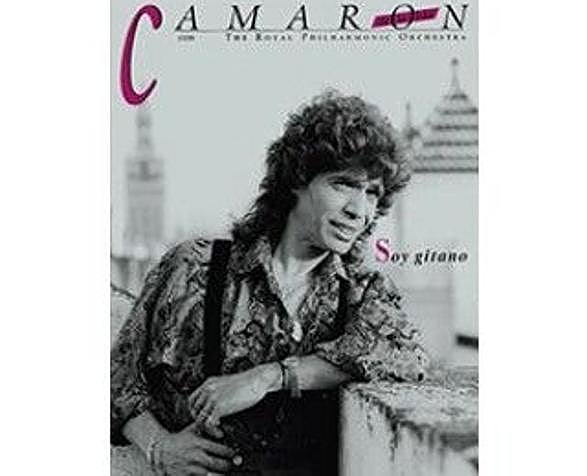
Although Camarón never performed in the UK, he did travel to London in 1989, where he recorded part of his album Soy Gitano at the world-renowned Abbey Road Studios with the Royal Philharmonic Orchestra. The album demonstrated that Camarón's music was not simply being exported to Britain: British musical institutions and musicians were directly involved in his recordings.
It was during this period that Camarón was introduced to Mick Jagger. Camarón was an admirer of The Rolling Stones, and Jagger is also said to have admired the flamenco singer. Camarón's distinctive appearance, magnetic stage presence and rebellious persona earned him the nickname of the Gypsy Mick Jagger.
His international status as a live performer grew following concerts at the Cirque d'Hiver in Paris in 1987; the Palladium in New York in 1990, where he performed in front of 5,000 people; and with guitarist Tomatito at the Montreux Jazz Festival in 1991. Camarón was introduced to the celebrated producer, Quincy Jones, in Montreux. Jones wanted to take Camarón on a world tour to turn him into a superstar by buying his distribution rights in the United States. However, this never materialised because Camarón was already ill and the deal could not be finalised before his death in July 1992.
