
Andalusian Influencers Around the World
Antonio Campos: Shaping medical education
The professor helped connect Spanish medical faculties with wider European discussions about how doctors should be educated and trained
Tony Bryant
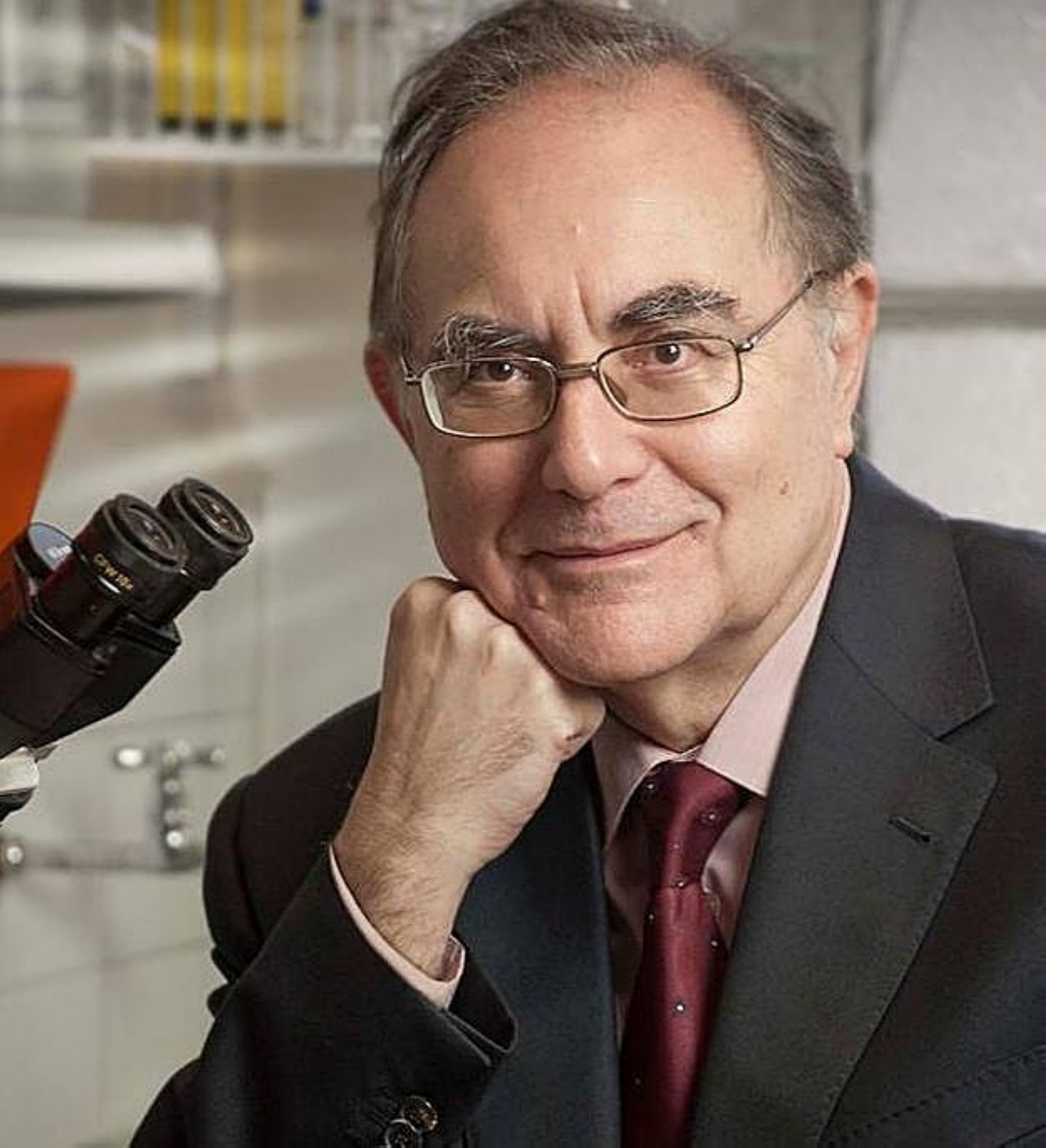
From the Middle Ages onwards, Andalucía has played a significant role in the development of medical knowledge, producing distinguished physicians, surgeons and medical scholars whose contributions resonated far beyond Spain. Among these is Antonio Campos Muñoz, a professor of histology and biomedical sciences who is significant not just as a researcher, but as someone who helped shape medical education internationally. His influence extended into how medical schools cooperate across Europe and Latin America.
Born in San Fernando, Cadiz, in 1951, Campos studied medicine in Cadiz, undertook further studies in London and Pittsburgh (Pennsylvania), and became Professor of Histology at Granada University in 1981.
His international impact has come through three different routes: scientific innovation, the organisation of medical research and the education of future doctors. His work helped connect Spanish medical faculties with wider European discussions about how doctors should be educated and trained.
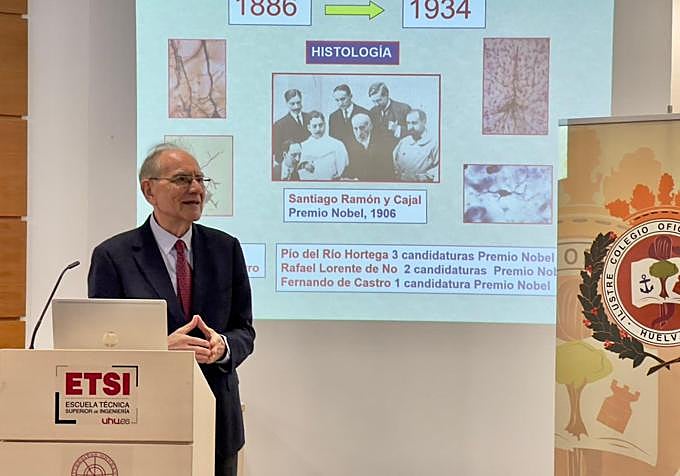
Some of the most significant developments associated with his research group originated at the University of Granada.
Campos, who's most interesting scientific contribution is in the field of artificial human tissue, became one of the pioneers of tissue engineering in Spain. His work involves creating biological tissue in the laboratory, using cells, biomaterials and specialised techniques, with the objective of repairing or replacing damaged human tissue.
His research developed artificial tissue models, including artificial corneal tissue, artificial skin and artificial nerve tissue.
Corneal diseases are a significant cause of visual impairment and blindness worldwide. However, the limited availability of donor corneas remains a major challenge, as successful transplantation depends on access to suitable donor tissue. The research in Granada therefore contributed to a field with potential applications in ophthalmology, reconstructive surgery and regenerative medicine.
His career subsequently extended into European medical education, national research policy and international biomedical collaboration.
Among his many achievements, Campos represented Spain on the European Union's advisory committee on medical training. He was also President of the European Association of Medical Schools (2000-2001), Directorship of Spain's Carlos III health institute (2000-2004), and he has been recognised as an honorary doctor of the national university of Cordoba in Argentina.
