
Andalusian influencers around the world
María Zambrano: A philosopher in exile
She was born in Vélez-Málaga but lived in other European countries and the Americas during the Civil War and Franco years
JENNIE RHODES
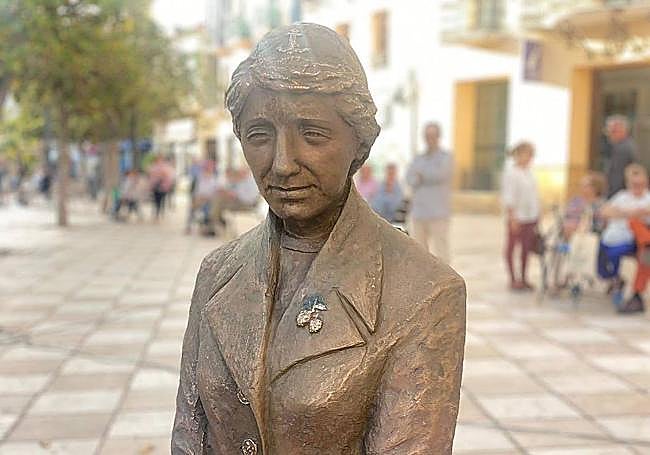
There are schools, parks, roads and more named after María Zambrano and a statue of her on Plaza de las Carmelitas in Vélez-Málaga, but probably the most well-known place in Malaga province is the city's train station. How many of the hundreds of thousands of passengers that pass through the station look up who the person behind the name is?
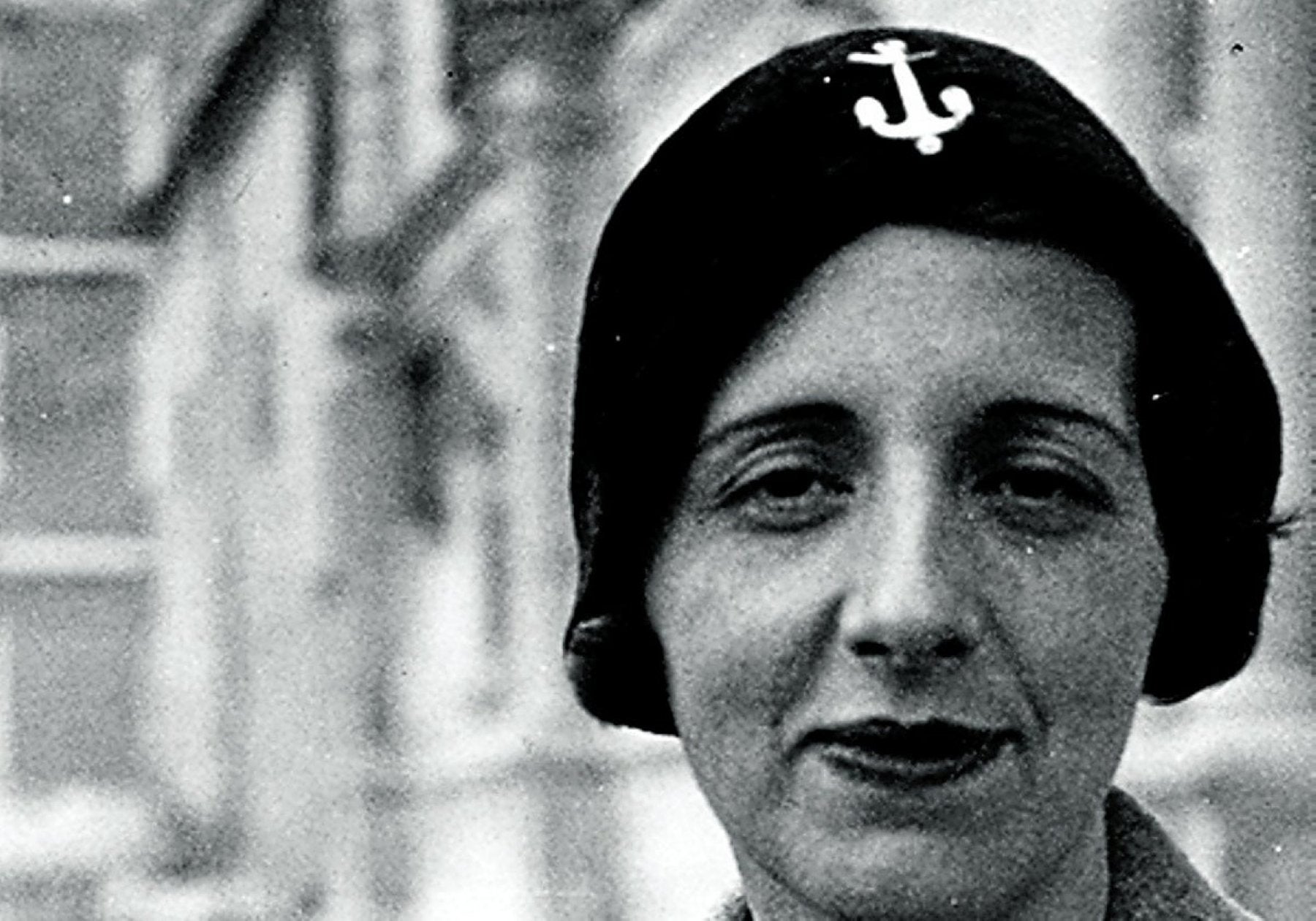
The philosopher and writer María Zambrano was born in Vélez-Málaga on 22 April 1904. Her parents were both teachers which meant that the family moved to Madrid and then Segovia while María was still a child. Thanks to her liberal-minded parents, María got a secondary education, which was rare for girls in Spain at the time. In fact she was one of only two female students at the Escuela Normal secondary school in Segovia. Zambrano went on to study at the Universidad Central in Madrid where she was taught by the Spanish philosopher and essayist José Ortega y Gasset.
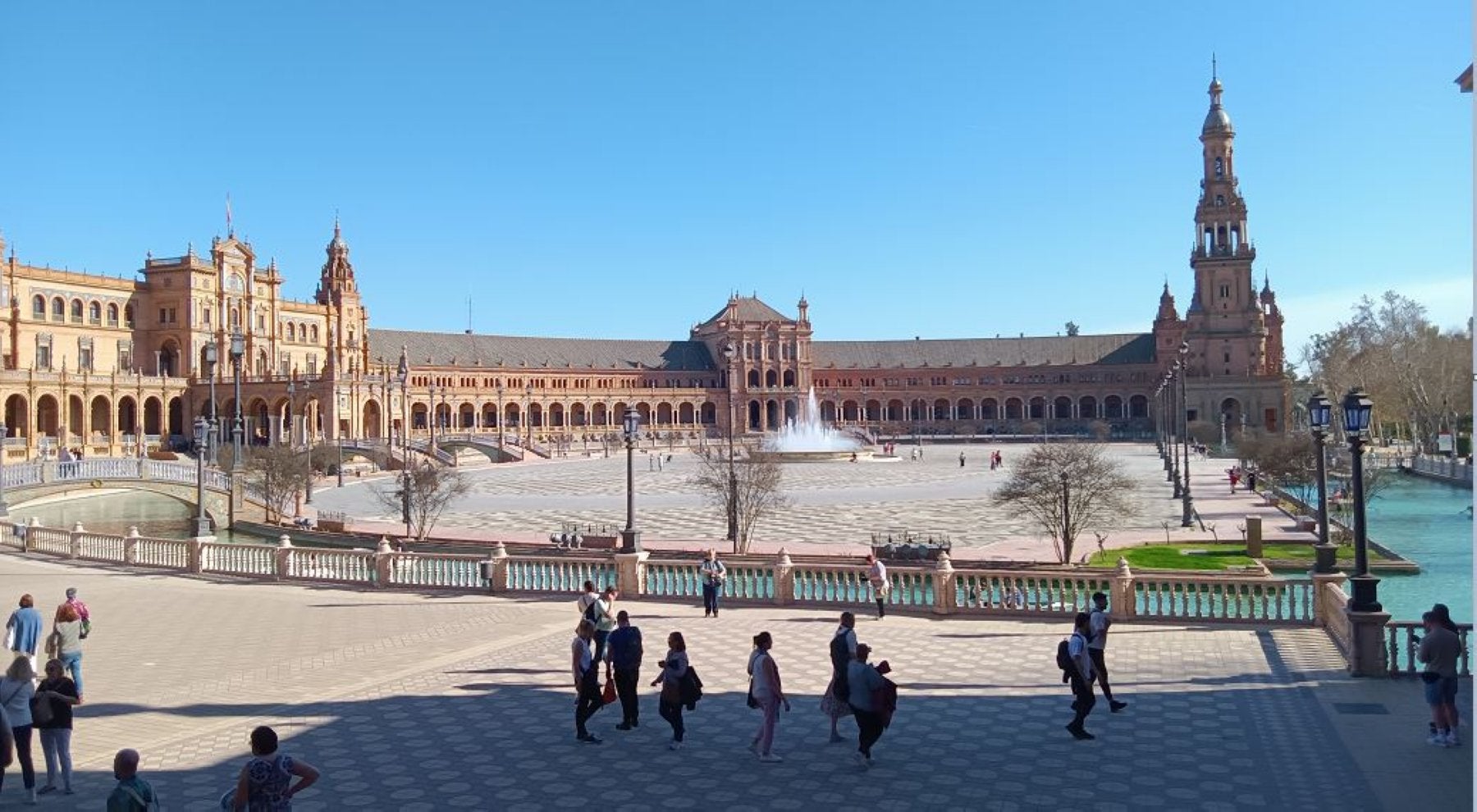
When the Civil War broke out in 1936, Zambrano and her husband, Alfonso Rodríguez, fled Spain. The couple returned in 1937, but in 1939 they, along with Zambrano's family, crossed the border into France and on to Paris, where her sister Araceli and mother stayed. María and Alfonso went to New York and Havana, before settling in Mexico, where she taught philosophy at the Universidad Michoacana de San Nicolás de Hidalgo (UMSNH).
Zambrano returned to Paris to join Araceli after their mother's death and from there the sisters lived between Rome and Paris for a number of years. It was during this time that Zambrano wrote her most well-known books; Violencia Europea (1941), La Agonía de Europa and El Hombre y el Divino (1955), among many others. She is considered part of the 'Generación del 27' group of writers and intellectuals in Spain, which included contemporaries such as Federico García Lorca .
However, it wasn't until later in life that Zambrano 's influence and contribution to philosophy and voice, not only as a feminist but also for other vulnerable groups, started to be recognised and she was awarded the Prince of Asturias Prize in 1981 just before returning to Spain in 1984.
Related story
In 1987 the María Zambrano foundation was set up in Vélez-Málaga which is home to her archives and library and in 1988 she became the first woman to receive the Miguel de Cervantes Prize for Literature. María Zambrano died in Madrid in 1991 and is buried in Vélez-Málaga.
Zambrano's influence is becoming more known both in Spain and internationally. Some of her works have been translated into English and with international scholarly interest continuing to grow, the University of Oxford's modern languages department has a section of essays written about the philosopher.
More Andalusian influencers around the world
![[]](http://static.vocstatic.com/voc26/latest/assets/images/favicon/surinenglish/apple-touch-icon-57x57.png)