
Gardening in southern Spain
Linaria elegans
Linaria elegans, the hardy Iberian native that transforms dry gardens with its "little blue fly" blooms
Denise Bush
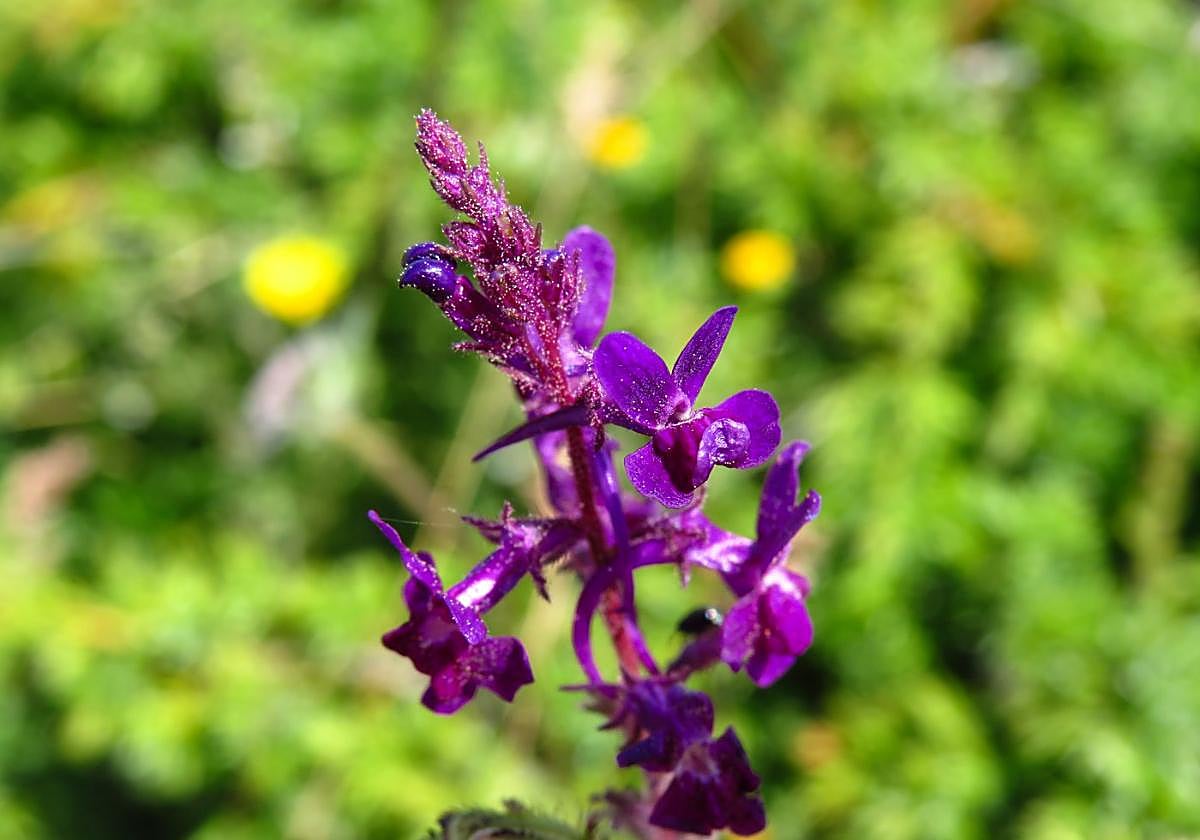
Linaria elegans is a short-lived perennial or annual plant native to the Iberian Peninsula where it is commonly known as Mosquitas azules.
A member of the Plantaginaceae family, which includes common garden plants such as the foxglove, it usually grows to a height of around 45cm. The plant is characterised by slender, upright stems topped with spikes of blue-violet snapdragon-like flowers that appear from April to August. It is exceptionally fast growing and can reach the flowering stage just six weeks after sowing.
Linaria thrives in full sun or partial shade and requires free draining soil which is slightly acidic. Although it is drought resistant for short periods, it will benefit from being watered occassionally during the hottest months. It will also appreciate being fed every other month during the growing season.
Propagation is easy from seed and the plant is suitable for a variety of containers including pots, window boxes or hanging baskets. It is particularly prized for xeriscaping because of its ability to create expansive clouds of flowers with minimal water.
The genus name Linaria comes from the Latin word for flax as the foliage of many of the species is similar to that of the flax plant.
Its common Spanish name, Mosquitas azules, translates to "little blue flies, which refers to the way the delicate flowers appear to hover like small insects above the thin stems.'
![[]](http://static.vocstatic.com/voc26/latest/assets/images/favicon/surinenglish/apple-touch-icon-57x57.png)