
Andalusian escapade
Itálica: the extraordinary legacy of the Roman Empire in Spain
Located in the province of Seville, this historic Roman settlement offers visitors the chance to explore the impressive remains of a once-thriving city and gain insight into its rich historical significance
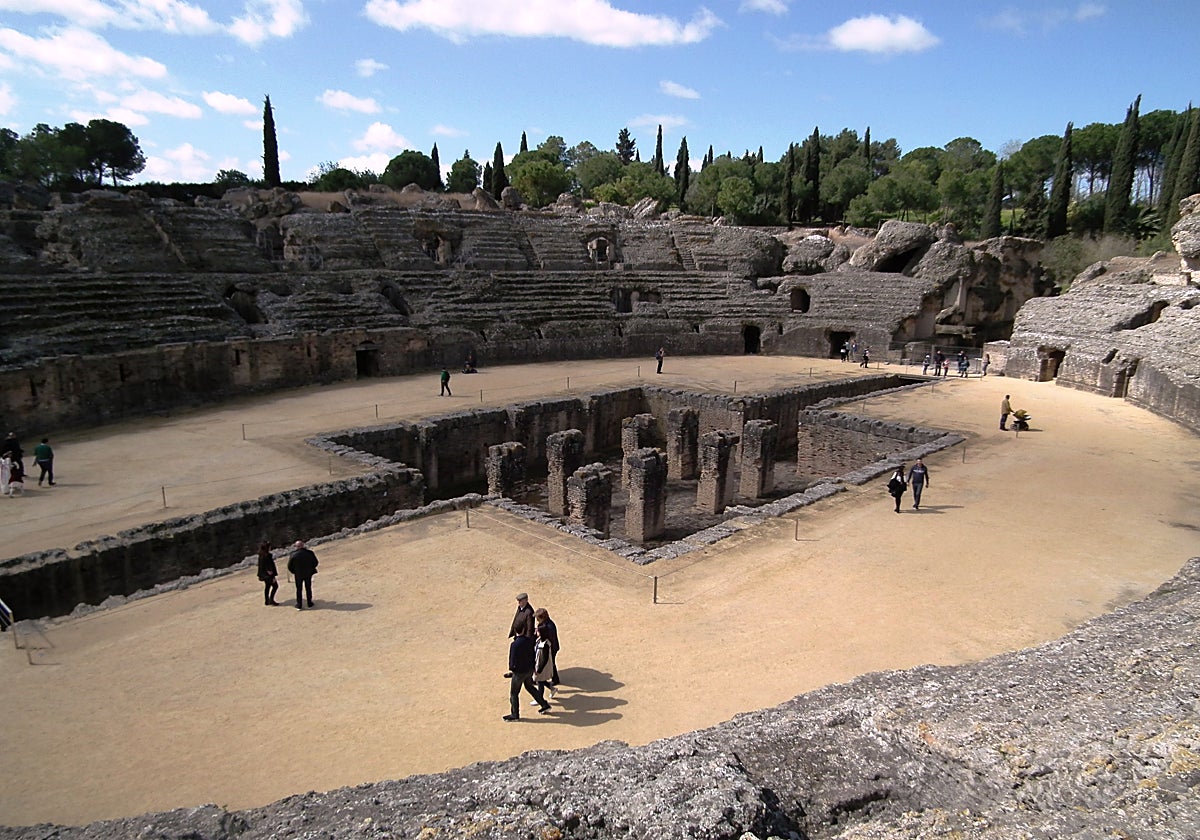

For those who admire the extraordinary legacy of the Roman Empire in Spain, a visit to Itálica is a rewarding experience. This remarkable ancient Roman settlement, located in the province of Seville, offers visitors the chance to explore the impressive remains of a once-thriving city and gain insight into its rich historical significance. Visiting at this time of year is especially appealing, as the milder weather allows one to appreciate its grandeur before the intense heat and blazing sunshine of the summer months set in.
The remains of this 2,000-year-old city reveal fascinating mosaics floors, Roman mansions, cobbled streets and various monuments and sculptures, as well as a 25,000-seat amphitheatre, the third largest in the Roman Empire at the time.
Itálica was a major Roman city strategically situated in the lower Guadalquivir valley, between Seville (ancient Hispalis) and Alcalá del Río (ancient Ilipa), in what is now Santiponce. Its location near key communication routes linking the city with the mining districts of the Sierra Norte of Seville and Huelva made it an important political, military and economic centre during the height of the Roman Empire. This strategic importance is reflected in its expansion, as the city eventually covered an area of around 52 hectares, making it one of the most significant urban centres in Roman Hispania.
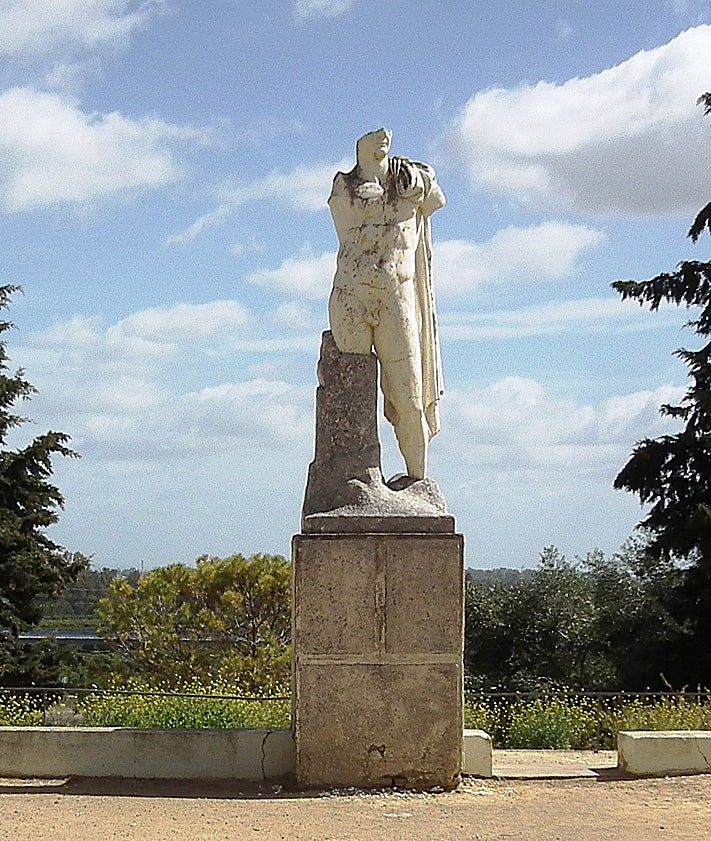
Situated 17 kilometres outside Seville, the former Roman city was the birthplace of Emperors Trajan and Hadrian. Some historians claim that it was also the birthplace of Theodosius the Great, the last emperor to rule the entire Roman Empire.
The city was founded in 206 BC by Roman general Scipio to house legionaries after the Battle of Ilipa, which took place during the Second Punic War (218 - 201 BC).
The city, which in Roman times was enclosed by a walled perimeter, rose to a high social and military status in the 1st and 2nd centuries AD, when Trajan and his nephew Hadrian were in power.
The well-preserved amphitheatre was the third largest in the Roman Empire and seated 25,000 spectators, approximately half the size of the Colosseum in Rome. Beneath the grand amphitheatre, the shadowy vaults preserve a chilling echo of the past, offering visitors a vivid glimpse into the brutal reality of ancient spectacles.
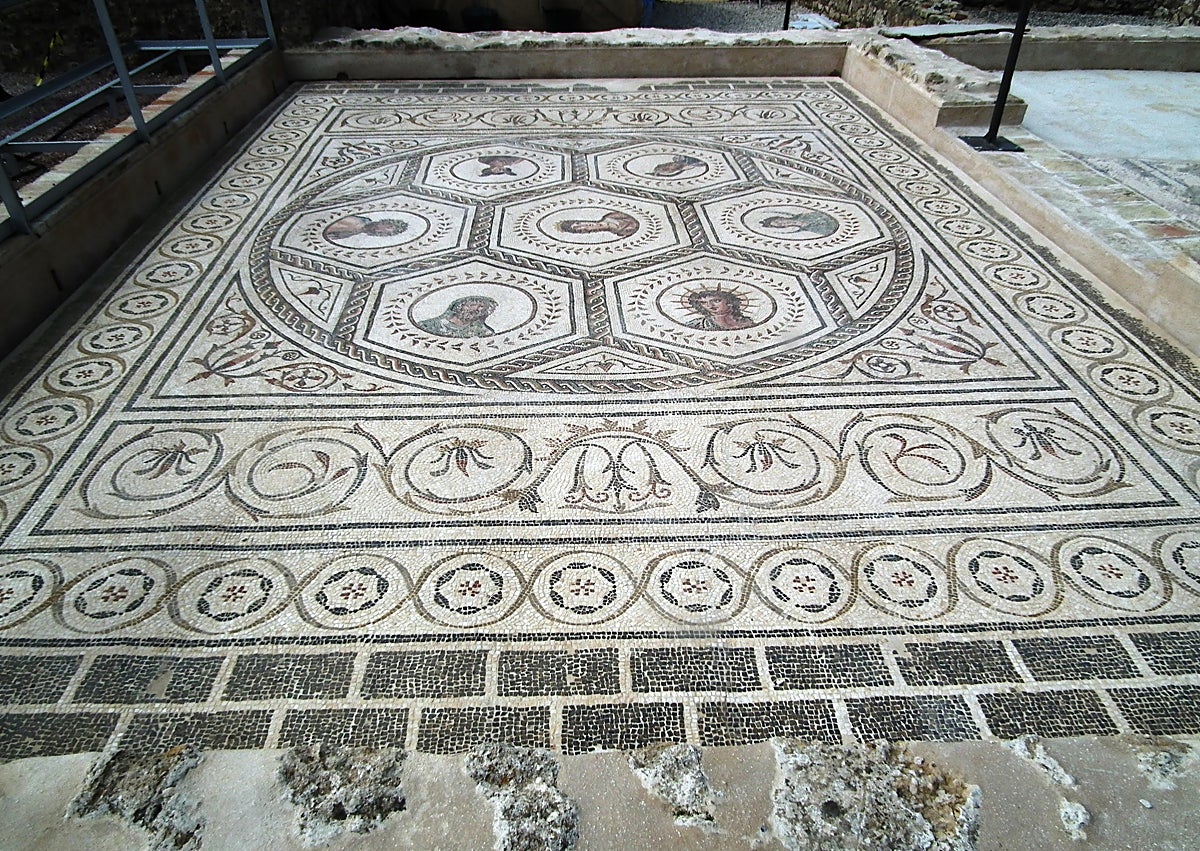
Archaeologists also uncovered five large houses that once belonged to wealthy families, offering a vivid glimpse into the lives of the ancient elite. These residences feature remarkably well-preserved mosaics, decorated with intricate and exquisite designs depicting birds, planets and gods. The detailed artwork not only reflects the artistic skill of the time but also highlights the cultural and religious values of the people who lived there, revealing their appreciation for beauty, mythology and the natural world. Among the most impressive mosaics are visible in the House of the Exedra, House of the Neptune, House of the Birds and House of the Planetarium.
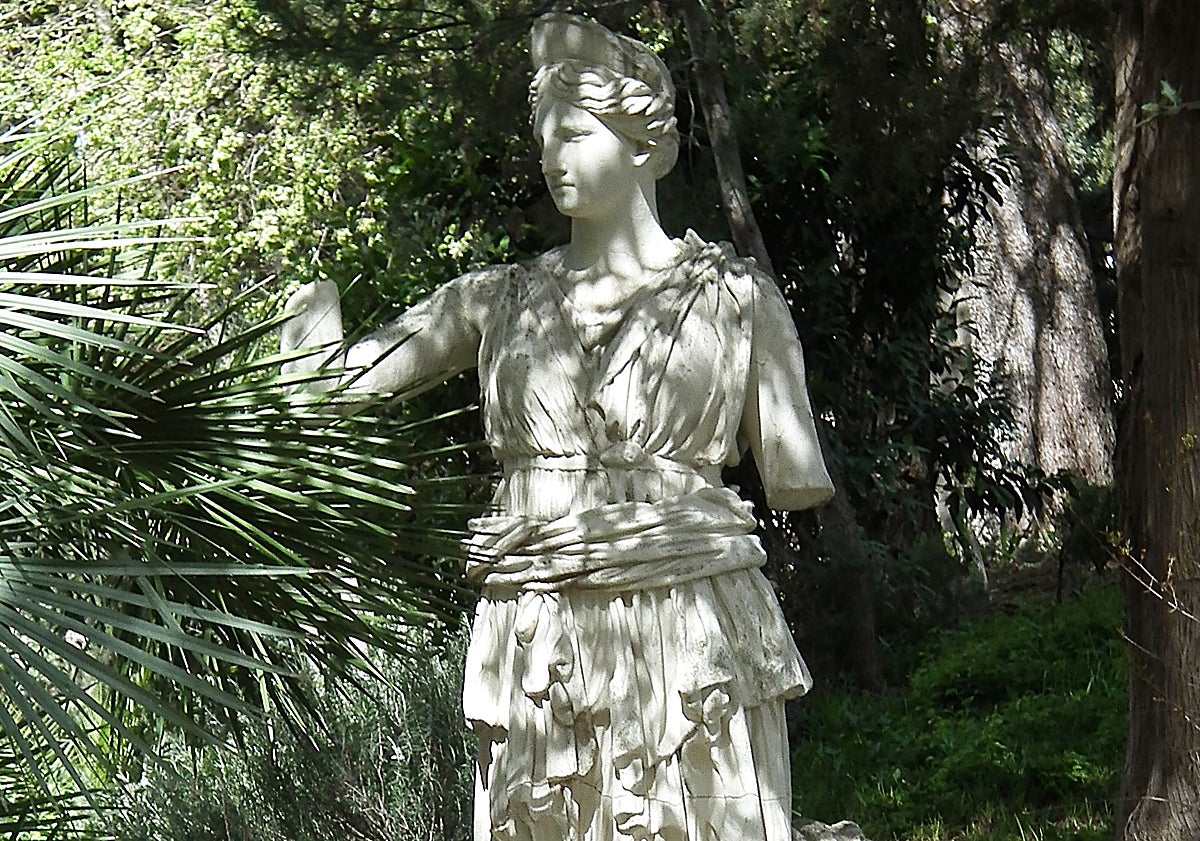
The site contains the remains of the Traianeum, the temple dedicated to the Emperor Trajan. The temple was erected by the emperor Hadrian and covers an area of approximately one hectare. Other pieces of interest are the statue to Diana of Italica, an anonymous marble sculpture of the goddess of the hunt; and a votive plaque at the entrance of the amphitheatre dedicated to Nemesis, the goddess of divine punishment.
The sophisticated sewer system is of the type usually only seen in larger cities, while the baths, and the Roman theatre (located in the centre of Santaponce), are among the oldest in Andalucía.
One of the earliest excavators of Italica was Nathan Wetherell, a British textile merchant living in Seville in the 1820s
One of the earliest excavators of Italica was Nathan Wetherell, a British textile merchant living in Seville in the 1820s. During his explorations around the ancient settlement, Wetherell uncovered ten Roman inscriptions, providing valuable evidence of the city’s historical significance and helping to shed light on its past. These discoveries were later donated to the British Museum, where they became part of an important collection of Roman antiquities and contributed to the broader study of Roman Spain.
When excavations intensified towards the end of the 19th century, some of the mosaic floors had been acquired by the Countess of Lebrija and conserved in the palace she had built for this purpose in the centre of Seville.
Numerous 19th century foreign travellers wrote of their despair at its deterioration, because the site became subject to continued looting. The first laws to protect Itálica came into effect in the early nineteenth century.
However, regular excavation work did not begin for many years. In 1912, Itálica was declared a National Monument.
Many of its richest assets can be seen in Seville’s archaeological museum, which includes the marble colossus of Trajan.
Worth visiting is the Cotidiana Vitae, a Roman themed visitors' centre in Plaza de Constitución in Santiponce. Here, one can view a reconstruction of a 2nd century Roman house and a plan of how Itálica would have looked at this time.
It is worth taking a stroll around the back streets of Santiponce, as many of the houses and villas display countless pieces of pottery, statues and urns that were pilfered from the city over the years.
![[]](http://static.vocstatic.com/voc26/latest/assets/images/favicon/surinenglish/apple-touch-icon-57x57.png)