
Health
Andalusian researchers to produce artificial nerve in Malaga to restore patient sensation
University of Granada team prepares clinical trial at Hospital Regional following successful animal testing for peripheral nerve damage
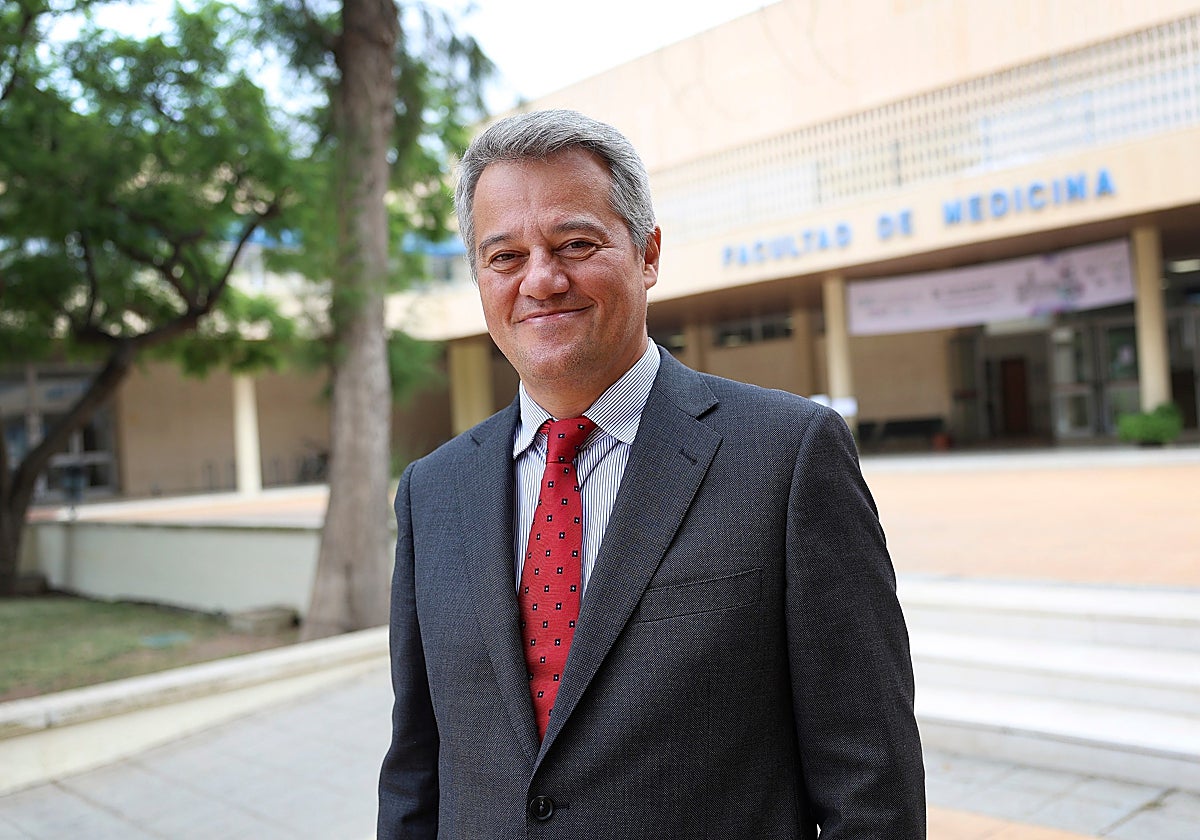

A team of Andalusian researchers led by University of Granada Professor of Histology Dr Miguel Alaminos plans to manufacture an artificial nerve at Malaga's ... Hospital Regional to restore sensation in patients with peripheral nerve damage.
While the experimental research will take years to reach routine clinical practice, the initial trial targets sensory peripheral nerve injuries to evaluate whether the lab-grown tissue enables patients to regain feeling in affected areas.
"The next artificial tissue we are going to implant at the clinic and which we are also going to manufacture here in Malaga will probably be an artificial nerve," Dr Alaminos told SUR. "With any luck, we will begin the clinical trial next year."
Production will take place inside the hospital's specialised cleanroom facility under the supervision of Dr Antonio Rodríguez Acosta, technical director of the cell production unit. The project is coordinated by the Andalusian Network for the Design and Translation of Advanced Therapies (RADyTTA) to facilitate the transition of laboratory advanced therapies into medical practice.
"We've already developed an artificial nerve with Antonio Rodríguez Acosta and produced it as a medicinal product," Dr Alaminos stated. "Now all that remains is to contact the medicines agency to begin the clinical trial alongside orthopaedic surgeons in Malaga and Granada."
The medical team in Malaga includes David González Quevedo, a specialist in orthopaedic surgery and traumatology at Hospital Regional. Manufacturing has been assigned to Malaga because the University of Granada's existing Good Manufacturing Practice (GMP) cleanroom facility is operating at maximum capacity producing artificial skin, corneas and palatal mucosa.
"We're going to start with something quite simple: a sensory peripheral nerve, to see if it can restore sensation," Dr Alaminos explained. "It has worked very well in animals, and if it works in humans, it could revolutionise treatment."
Though commonly described as artificial, Dr Alaminos noted that the term is not completely accurate because the product consists of living cells integrated with biological materials such as collagen or hyaluronic acid.
Other pioneering tissue engineering projects
The research group has developed several other living tissue therapies currently deployed or undergoing clinical evaluations across Spain.
Created in 2012 from human skin cells and natural biomaterials, the UGRSKIN project produces artificial skin to treat patients with severe burns. Authorised by the Spanish Agency for Medicines and Health Products (Aemps), it has achieved an 80 per cent survival rate across 15 treated patients, primarily within the severe burns unit at Seville's Virgen del Rocío hospital.
In addition, the Nanoulcor project focuses on engineering artificial corneas to treat severe corneal injuries.
Meanwhile, the Biocleft project addresses children born with cleft palate - the most common congenital malformation in Europe - by manufacturing palatal mucosa from a small sample of cells taken from the patient's lip.
The artificial tissue is implanted during reconstructive surgery when the child reaches approximately 18 months of age. Seven paediatric patients have received the Biocleft treatment to date, showing promising early results in children aged two to three years, with long-term monitoring continuing until adolescence to confirm overall clinical efficacy.
![[]](http://static.vocstatic.com/voc26/latest/assets/images/favicon/surinenglish/apple-touch-icon-57x57.png)