
Health and wellness
A practical guide to surviving a heatwave
They’re becoming increasingly common, which is why we need to be prepared. As well as using common sense, here are some practical tips that can help us avoid a heatstroke
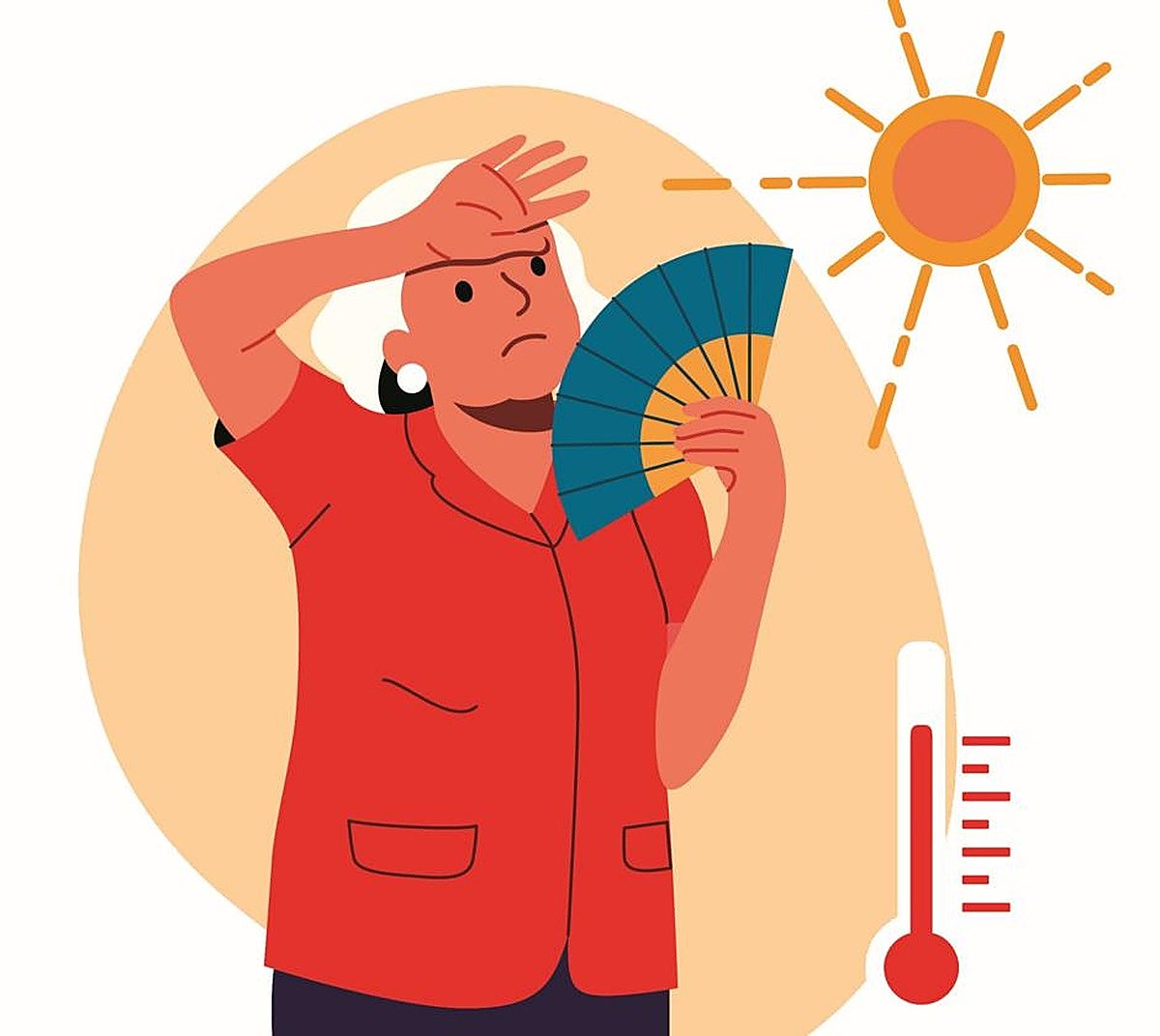

In 2025, Spain experienced three heatwaves. In total, there were 33 days of extreme temperatures. So far in 2026, we have already experienced one, this ... time in May. According to the Daily Mortality Monitoring System, run by the Carlos III Health Institute, this latest episode claimed the lives of 101 people, many of whom were among the oldest members of the population. And this week, the heat will once again put us to the test.
Although avoiding the most severe effects of high temperatures is, above all, a matter of common sense, there are also preventive measures that are worth following. Juan Antonio López Rodríguez, a specialist in Family and Community Medicine and a member of the semFYC (Spanish Society of Family and Community Medicine), explains these to us.
First of all, common sense
“As far as possible, you should try to avoid being outdoors between 12 noon and 6 pm, as this is when the temperature, solar radiation and humidity can exceed the body’s ability to cool itself,” explains the doctor. And if you do go out, wear light clothing, a hat and sunglasses… Although going to the beach or the swimming pool may seem like a good way to beat the heat, it is best to avoid doing so during those midday hours. “Exercising at the pool or on the beach also causes dehydration.” If it’s very hot at home, you can head to air-conditioned public spaces such as libraries, community centres or shopping centres, which in many cities are now designated as heat shelters.
What to eat...
“The body needs us to work with it, not against it. And the best allies for this are fruit and vegetables, especially those with the highest water content: watermelon, melon, tomatoes…”, says the doctor, who believes that dishes such as gazpacho or salad are perfect. On the other hand, we should avoid heavy meals or red meat, which require more energy to digest. Ultra-processed and salty foods are also our ‘enemies’ on those days.
And what to drink
It goes without saying: staying hydrated is essential. But thirst often sets in too late, especially among the elderly. “By then, the body has already been dehydrating for a while,” warns the doctor. The general recommendation is to drink between 100 and 200 ml every hour and a half or two hours. But water isn’t the only option. You can drink milk or gazpacho, or eat melon or jelly. And you should avoid alcohol, coffee and sugary soft drinks. “It’s also a good idea to keep an eye on your urine. If it’s very dark, it could be a sign of dehydration,” he points out.
Looking for a bit of a breeze
A good way to beat the heat is to take cold showers or baths. But don’t overdo it. “The water should be cool but not freezing, as that can cause the blood vessels in the skin to constrict and make it harder for heat to escape.” It’s also a good way to improve circulation in older people. If you don’t have time for a shower, wetting your wrists or temples can be sufficient and effective if you don’t have air conditioning at home.
Is it OK to exercise?
Yes, but there are some caveats. Especially when exercising outdoors. “If we want to exercise, we need to get up early or wait until the late afternoon or evening,” says López. Furthermore, you should exercise in the shade, drink water before, during and after exercise, and reduce the intensity. And if you start to feel dizzy, you must stop and find a cool place to rest immediately.
Vulnerable people
There are two groups that are particularly vulnerable to a heatwave: the elderly and those who work outdoors, such as construction workers, gardeners or street cleaners. For the latter, the key is to ‘drink water regularly and take frequent breaks in shaded areas’. It is also important to wear breathable, loose-fitting clothing in light colours and to carry out the most physically demanding tasks in the early hours of the day. “And the ‘diver’s strategy’: always keep an eye on your partner, check that the other person is OK,” says López.
Older people face a number of factors that make managing these episodes more difficult. “They are the least likely to feel thirsty, they also sweat less, and they take medicines that can interfere with heat regulation, such as tablets with a diuretic effect or certain heart and diabetes medicines. “Don’t wait for them to ask for water; offer it to them. Try to keep the house cool and, if they live alone, visit them more often. You should also keep an eye on their urine. If they stop passing urine, this is a warning sign and you must seek help,” advises the doctor.
How to recognise a heatstroke
A heatstroke is not a minor issue; it is a medical emergency. The body cannot control its temperature, which can even exceed 40 degrees," explains Family and Community Medicine specialist Juan Antonio López Rodríguez. To prevent this, look out for the following warning signs.
The symptoms: The skin becomes very hot, dry and flushed, but there is no sweating. "It is common to feel confused, disoriented or to have a very intense headache. It can also cause nausea, vomiting, and some people may even lose consciousness or experience seizures," the specialist points out.
What to do: First and foremost, move the person to a cool, dry and shaded place. "You must lay them down, remove their clothes and apply cool water to the neck, armpits and groin," the doctor indicates regarding the most immediate measures.
Do not wait:"You must call 112 or go to the nearest health centre. Do not wait, because this is something that bypasses the body's normal control mechanisms and will not simply pass on its own."
![[]](http://static.vocstatic.com/voc26/latest/assets/images/favicon/surinenglish/apple-touch-icon-57x57.png)