
Health
Malaga's Hospital Regional incorporates technique to correct uterine prolapse without removal
Splentis significantly improves quality of life for women with uterine prolapse, which is a condition that can affect women of all ages
José Antonio Sau
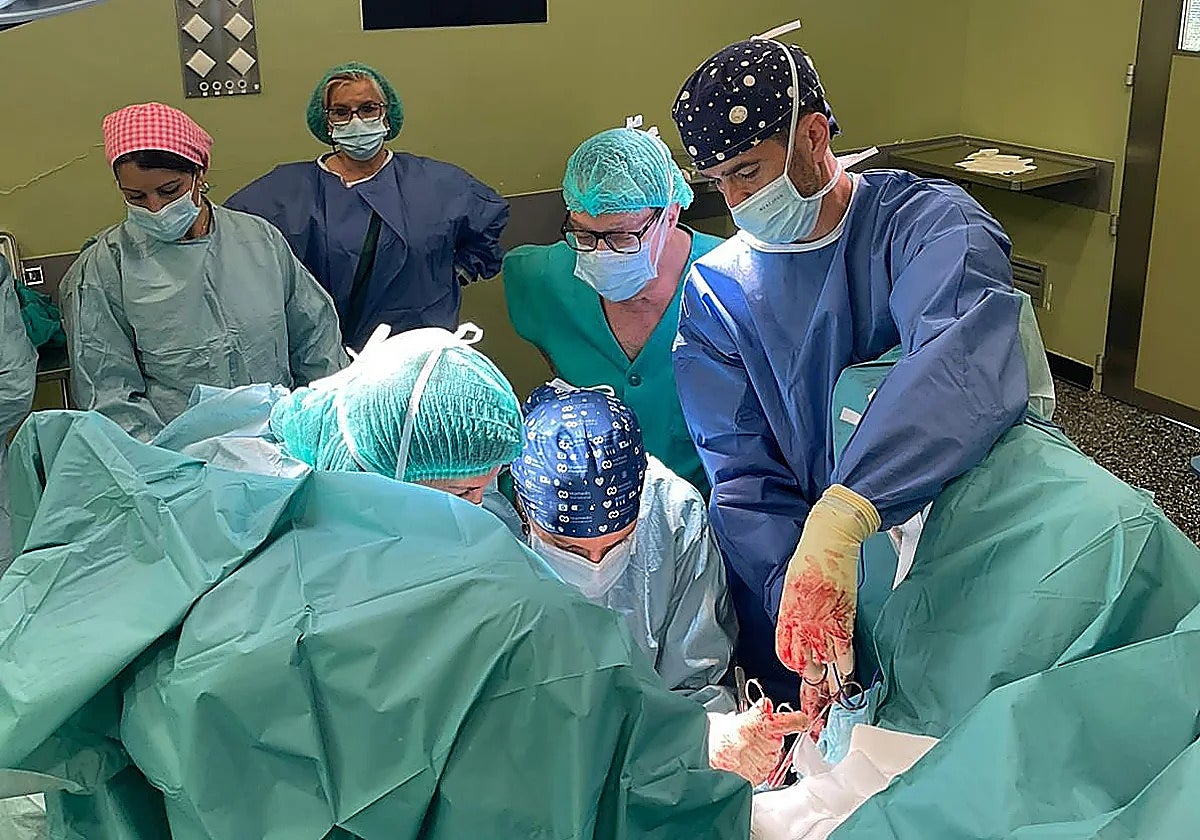
Malaga's Hospital Regional has incorporated a new surgical technique to correct uterine prolapse without removing the uterus.
This condition occurs when the pelvic floor support structures weaken, causing the organ to descend. This alteration produces a feeling of heaviness or a bulge in the vagina, pelvic discomfort, urinary problems and significantly impacts patients' quality of life.
Thanks to this technique, the gynaecology and obstetrics department has been able to preserve the uterus and restore the anatomy of the pelvic floor. The implantation was performed during a training surgical session, led by specialist Agustín Sampietro, renowned for his expertise in pelvic floor reconstructive surgery.
Unlike traditional techniques, "which in many cases require removal of the organ", splentis "allows the uterus to maintain its position using a specific support system, restoring the anatomy of the pelvic floor and promoting functional recovery".
What is uterine prolapse?
The Spanish society of gynaecology and obstetrics (Sego) explains that uterine prolapse, also called pelvic organ prolapse, occurs when the pelvic floor muscles stretch and weaken, so they no longer provide adequate support for the uterus, causing it to slip into the vagina or protrude from it.
It is a common condition that can affect women of any age. In severe cases, it can lead to infection and ulceration of the cervix and vaginal walls, as well as urinary tract infections and other symptoms due to a cystocele (when there is a prolapse of the anterior vaginal wall and part of the bladder protrudes into the vagina) or problems with constipation and hemorrhoids due to a rectocele (when there is a prolapse of the rectum).
Gynaecologists warn that pelvic organ prolapse is an increasingly common problem, primarily due to the aging population and increased life expectancy. Added to this are risk factors such as vaginal childbirth, menopause, obesity and repetitive strain, which increase the likelihood of women developing this condition.
Acting head of gynaecology and obstetrics at Hospital Regional Isaac Cohen says that "the incorporation of this technique represents an important advance in the treatment of uterine prolapse".
"It allows us to offer certain patients a conservative surgical alternative that preserves the uterus without sacrificing effectiveness in correcting the prolapse," he states.
Preserving the uterus
Studies estimate that up to half of women who have had vaginal births show some degree of pelvic organ prolapse when examined.
Cohen says that "it is important to adapt treatment to the needs of each woman".
"Being able to preserve the uterus when clinically indicated, restore the anatomy of the pelvic floor and improve functionality represent a benefit both from a physical point of view and in terms of quality of life," he states.
The preservation of the uterus and female anatomy is one of the main benefits of this technique, as it helps maintain the functionality of the pelvic floor and promotes a better quality of life.
Review public health, medical care and clinical news
![[]](http://static.vocstatic.com/voc26/latest/assets/images/favicon/surinenglish/apple-touch-icon-57x57.png)