
Health
Malaga province records extreme pollen levels causing suffering for many allergic residents
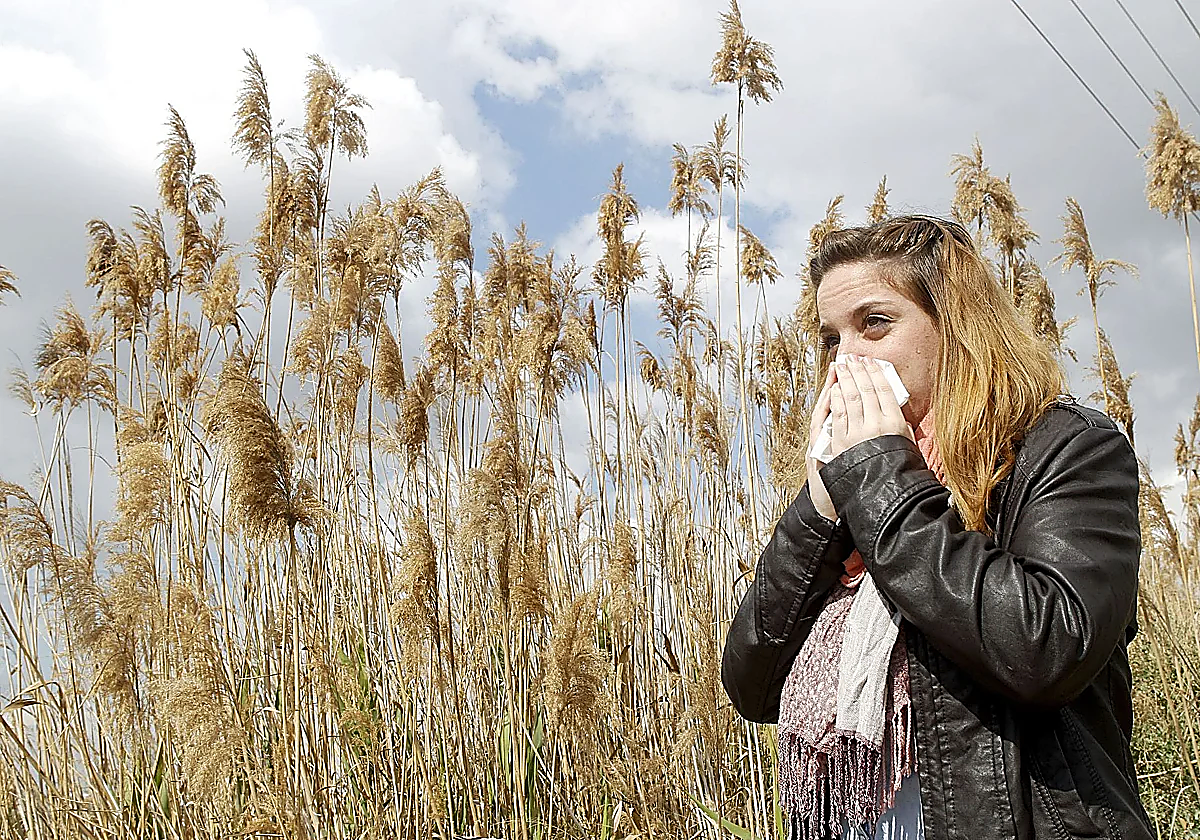
Olive tree and grass pollen rarely coincide, but they have this spring, which has created a nightmarish environment for people allergic to both
Chus Heredia
It's unusual for olive and grass pollen to reach extreme levels simultaneously in Malaga province. Normally, the olive pollen peaks earlier, in early May, and then levels begin to decline, with grass pollen levels typically reaching their peak at that point.
This year, however, due to factors such as abundant winter rainfall and other conditions, the perfect storm has formed. The first time they coincided was on 5 May.
Data from Malaga University's monitoring network confirms this extraordinary situation. "This year, those allergic to grasses are having a very difficult time in Malaga. If they are also allergic to olive trees, the second half of May will be hard for them," allergist José María Vega says.
In addition to the abundant rainfall this past winter, the high prevalence of common cold virus variants also contributes to overlapping symptoms and overwhelms the immune system. Typically, the distinction between the two is that allergies cause intense itching of the eyes, nose, throat and palate, watery mucus and last for weeks, while a cold causes a sore throat, mild fever, thick mucus and is self-limiting infections, lasting about a week.
Assistant botany professor Antonio Picornell meticulously reviews the data they record each week. In the previous weekly count, the olive tree level reached 500 grains per cubic metre of air. The current count measures levels of 1,300, when the concentration should have already begun to decrease.
The sudden and early grass pollen bloom has further complicated things. Concentrations of over 200 grains per cubic metres are also considered extreme. "Levels are rising significantly and the trend is upward," Picornell says.
Although he says that these are by no means historic values, this uncommon confluence of pollen types is indeed occurring.
As if that weren't enough, nettles and pellitory are also joining the 'party' at moderate levels, as are chenopodiaceae (spinach, chard, beets, quinoa...), which are pointing upwards.
As for grasses, which have a high allergenic capacity, some examples are cereals such as rice, wheat, oats and corn, as well as lawn grass, bamboo and sugar cane. There are thousands of species worldwide.
Very common allergies in Andalucía
Almost 25% of the Andalusian population suffers from respiratory allergies, which equates to just over 2.5 million people. Olive and grass pollen are responsible for most of these allergies, with symptoms such as rhinoconjunctivitis or bronchial asthma.
Doctors state that such allergies must be taken very seriously. Anyone with rhinoconjunctivitis, which is already quite bothersome, can develop more severe and even asthmatic symptoms.
They recommend going beyond simple antihistamines and turning to vaccines. Meanwhile, many common-sense treatments are also helpful. Nasal washes with saline solutions and corticosteroid sprays (with a doctor's prescription) can help reduce symptoms. In more serious cases, more potent anti-inflammatory bronchial inhalers are necessary.
Of course, all kinds of hygiene and lifestyle measures also help. Especially important is to: try to minimise exposure to the allergen by seeking out coastal areas, avoid outdoor sports, wear glasses and masks and wash clothes thoroughly.
We always talk about reactions to pollen, but allergies can occur at any time of the year and at any age. There are many types (food allergies, allergies to materials, pet dander, dust mites, chemicals, etc.). Whatever the type, it can cause reactions ranging from mild to very severe. It's not due to a weakened immune system. On the contrary, it's due to an increase in immunoglobulin E (IgE).
Shortage of allergists
Despite these high pollen levels in the region, the Andalusian public healthcare system has a shortage of allergists.
The Andalusian society of allergology and clinical immunology (Alergosur) has recently published a report, in which it states that the average ratio is only 0.44 allergists per 50,000 inhabitants. This is well below the recommendation of the WHO (World Health Organization), which establishes at least one specialist per 50,000 inhabitants.
No Andalusian province meets this minimum standard. Malaga presents the most concerning indicators, with a ratio of 0.25. Currently, the province has nine allergists for more than 1.7 million inhabitants.
"The prevalence of allergic diseases has experienced a significant and steady increase in recent decades, becoming a major public health problem. Not only is the number of cases increasing, but the severity and complexity of today's allergy patients is also growing, requiring a specialised multidisciplinary approach," the report says.
![[]](http://static.vocstatic.com/voc26/latest/assets/images/favicon/surinenglish/apple-touch-icon-57x57.png)