
Health
Malaga health: why are qualified medical graduates steering away from GP roles?
None of the top 50 students have chosen the specialty in Malaga, with most opting for dermatology and ophtamology instead
José Antonio Sau
The top-scoring students on the 2026 MIR (medical residence) exam in Malaga province don't want to become general practitioners. In the first three days, none of the 50 highest-ranked candidates chose this specialty.
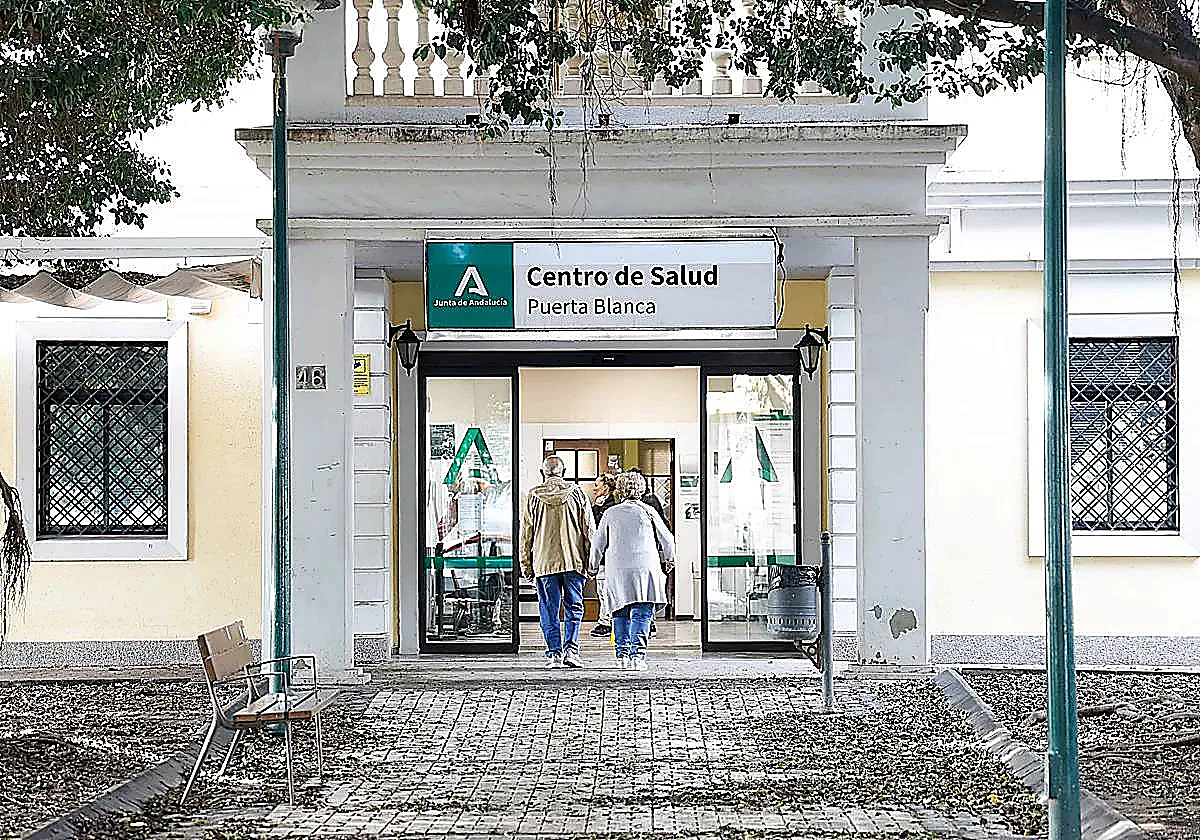
The province offers a total of 85 residency positions for a medical area that is undoubtedly the foundation of the public healthcare system. If primary care doesn't function properly, emergency rooms become overwhelmed and healthcare spending increases as less urgent health issues are transferred to hospitals.
This has been happening in recent years. Health analyst Dr Vicente Matas attributes it to the overcrowding in health centres. He says that it is "a specialty that has hardly any presence in medical schools" and that the difficulties and workload professionals face are well known.
"Staffing levels are insufficient and there is an increasing number of assaults on professionals: as long as politicians don't realise that they can solve 80 per cent of problems starting with primary care, the entire health system will continue suffering," he says.
For Matas, it's unacceptable for a patient to have to wait a week or ten days for an appointment with their GP (8.7 days in Malaga, according to the SAS Andalusian health system).
Primary care appointments
"If a person doesn't get an appointment within 24 or 48 hours, they go to the emergency room, where a doctor who doesn't know them and has to run a lot of tests attends to them," Dr Matas says. This means that healthcare costs skyrocket and an area meant for sudden acute cases becomes overwhelmed.
In his opinion, a law cannot solve this. Instead, he believes that "allocating a budget" is necessary, because "what the law will do is increase the number of patients seen per day from 40 to 80".
Retired SAS employees have proposed allocating 25 per cent of the budget to primary care. Currently, according to GP Daniel Prados, it stands at 17 per cent.
In 2007, the Andalusian medical union (SMA) warned that numerous general practitioners would retire within 15 years. Then the economic crisis hit and residency positions in the specialty were cut. "It takes eleven years to train a specialist. We need a long-term vision," he says.
In Malaga, there are between 1,700 and 1,800 general practitioners, of whom more than 300 will retire by 2030, exacerbating the lack of generational replacement.
President of the SMM Antonio Martín believes that primary care is "unattractive due to the workload and the issue of remuneration".
Lack of resources
Malaga spokesperson for the primary care union Carmen González says: "We lack resources and are not allowed to adequately develop our specialty." She denounces appointment schedules with a daily limit of 35 patients and appointments spent in resolving administrative issues (such as extending prescriptions).
The schedule consumes the entire day, leaving no time for research, teaching, home visits or community outreach. She adds to the problem the hiring of doctors without a specialty at health centres who work as paediatricians or GPs.
What do the top MIR candidates choose? The same trend repeats every year. In just three days, the top-scoring medical residents filled all six positions available for dermatology and all seven for ophthalmology, as well as the single position in plastic surgery. Why? Dr Matas says that they don't do the same on-call shifts as other specialists and, furthermore, job opportunities in the private sector are significant.
High-value areas
Cardiology is a classic specialty. By 12.50pm on Wednesday, eight residents from across the country had chosen their residency in Malaga. Only one position remained available.
The association of physicians in Malaga has stated that "what is essential and urgent is to provide GPs and primary care paediatricians with an attractive offer, with salaries in line with the rest of Spain, with time for training and research and, most importantly, with stable and long-term contracts".
![[]](http://static.vocstatic.com/voc26/latest/assets/images/favicon/surinenglish/apple-touch-icon-57x57.png)