
Health
Malaga doctors warn 14 per cent of residents have diabetes and half of them don't know it
Advances in technology have reduced emergency visits by patients with type 2 diabetes by half
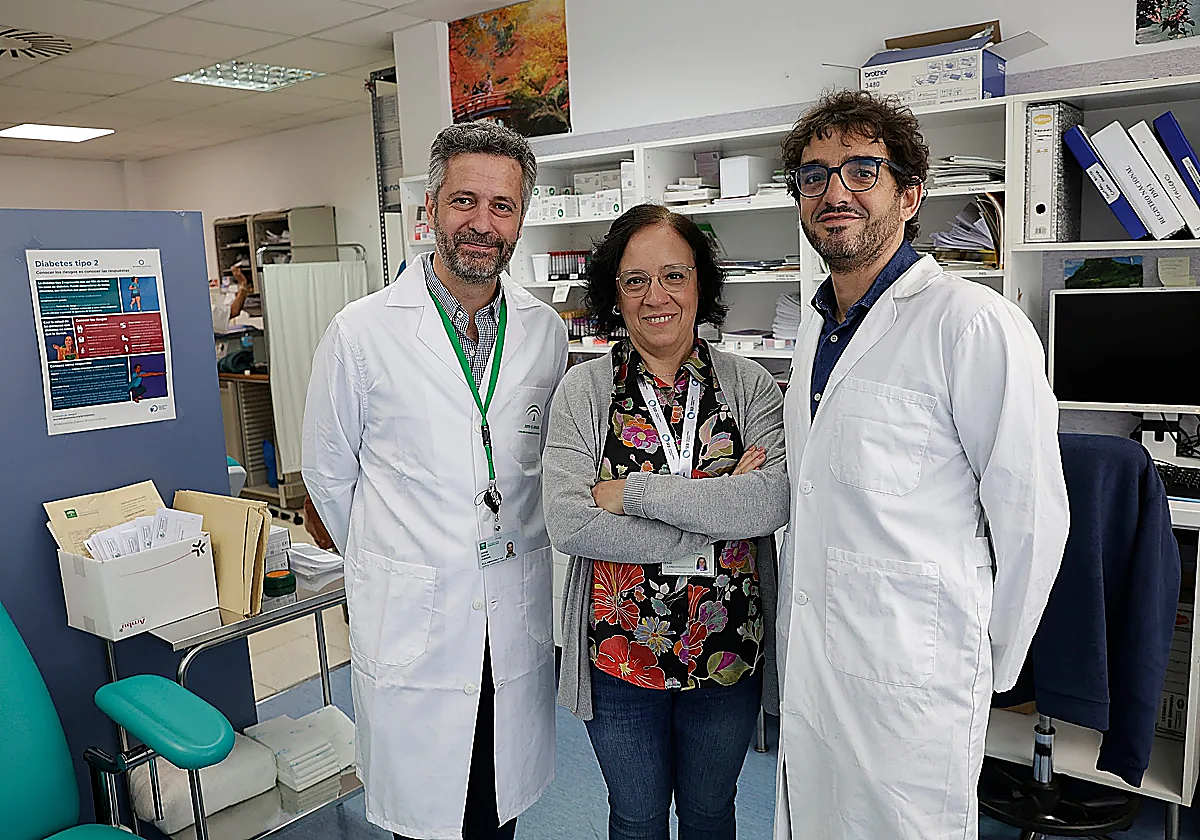
José Antonio Sau
Half of Malaga's residents who have diabetes (14 per cent of the population) are not aware of it, as endocrinologist Jorge García Alemán states.
Type 1 diabetes is an autoimmune condition where the pancreas stops producing insulin, requiring the patient to inject it permanently. It is not related to lifestyle habits and usually appears suddenly in children and young adults.
Type 2 occurs when the body does not use insulin effectively or does not produce enough, which is associated with obesity and a sedentary lifestyle. It is more common in adults. This type can be managed with diet and exercise.
Dr García Alemán also highlights gestational diabetes, which develops during pregnancy, and monogenic diabetes. What impact does this condition have on health? "Sustained elevated blood glucose levels act like limescale in a pipe: they tend to clog the circulatory system," Dr García says.
This leads to complications due to lack of blood flow and tissue damage. There is a risk of cardiovascular disease, which is the leading cause of death in diabetes patients. It can also trigger vision problems, including "the well-known diabetic blindness", and kidney problems and can even lead to amputations.
Symptoms
The warning signs include unexplained weight loss, excessive thirst and a frequent need to urinate. "When diabetes presents these symptoms, it's considered advanced. The key in type 2 diabetes, which is the most common, is early detection through blood tests to measure fasting glucose levels," Dr García Alemán says.
Medical advances
There have been great advances in recent years.
In type 2 diabetes, there are new medications that improve disease control thanks to weight loss. In type 1 diabetes, "the type that affects patients who need insulin to survive, the best advances come from technology: continuous insulin infusion systems, the so-called insulin pumps".
These artificial pancreas systems automatically release insulin and help patients keep their glucose levels stable for most of the time.
The outpatient centre in Malaga
The diabetes outpatient unit at the Clínico hospital in Malaga treats patients whose diabetes is unstable or poorly controlled. There is an initial consultation, from which patients receive closer follow-up, with special emphasis on diabetes awareness. "The most important thing is being able to support and educate patients," Dr García says.
The hospital also runs technology clinics that assess and implant these systems, along with gestational diabetes clinics led by endocrinologist María José Picón. "Pregnancy accounts for 30 per cent of the outpatient hospital's activity," Dr Picón says. There is also a unit for uncontrolled type 2 diabetes.
Insulin infusion
Endocrinologist Diego José Fernández points out that people living with type 1 diabetes depend on insulin treatment for life. "Integrated insulin infusion systems connected to a sensor that monitors glucose levels 24 hours a day, seven days a week, can help users make decisions about their condition," Dr Fernández says. He adds that they improve average glucose levels and reduce the time patients spend in hypoglycaemia, "the biggest risk for complications".
"These systems have proven to improve the quality of life for those who use them," he states. The hospital has already implanted 530 of these devices. Doctors first select suitable candidates.
"People who suffer severe or unnoticed hypoglycaemia, those with chronically poor metabolic control despite their efforts and previous knowledge, women with inadequate metabolic control who want to become mothers in the future, and some elite athletes. For these people, the best option is not injecting slow- and fast-acting insulin several times a day," Dr Fernández says.
"These are people for whom the best option is not injecting themselves with slow and fast insulin several times a day," the endocrinologist says.
Once doctors select the candidates, they train them in areas such as using the phone system, managing daily routines, dealing with hyperglycaemia and handling catheter blockages. "Every system has shown improvements from day one," Dr Fernández says.
These devices have developed rapidly over the past six years. "A person with diabetes has to make more than 300 decisions every day based on many variables. The system helps with those decisions: if it detects rising glucose levels, it delivers more insulin. If it detects levels falling, it reduces or stops the infusion," the endocrinologist explains.
The infusion pump uses a catheter placed in the abdomen, thighs or upper buttocks, connected to a sensor. "Patients can use a continuous glucose monitor with several important functions: it warns you where your glucose levels are heading and includes a hypoglycaemia alarm," he says.
Since their introduction, "visits to emergency departments due to symptomatic hypoglycaemia and acute hyperglycaemia complications" have dropped by half.
![[]](http://static.vocstatic.com/voc26/latest/assets/images/favicon/surinenglish/apple-touch-icon-57x57.png)