
Health
Malaga province vaccinates 10,600 babies against bronchiolitis from Monday
The use of nirsevimab has reduced hospital admissions among children for this condition caused by RSV by more than 80%
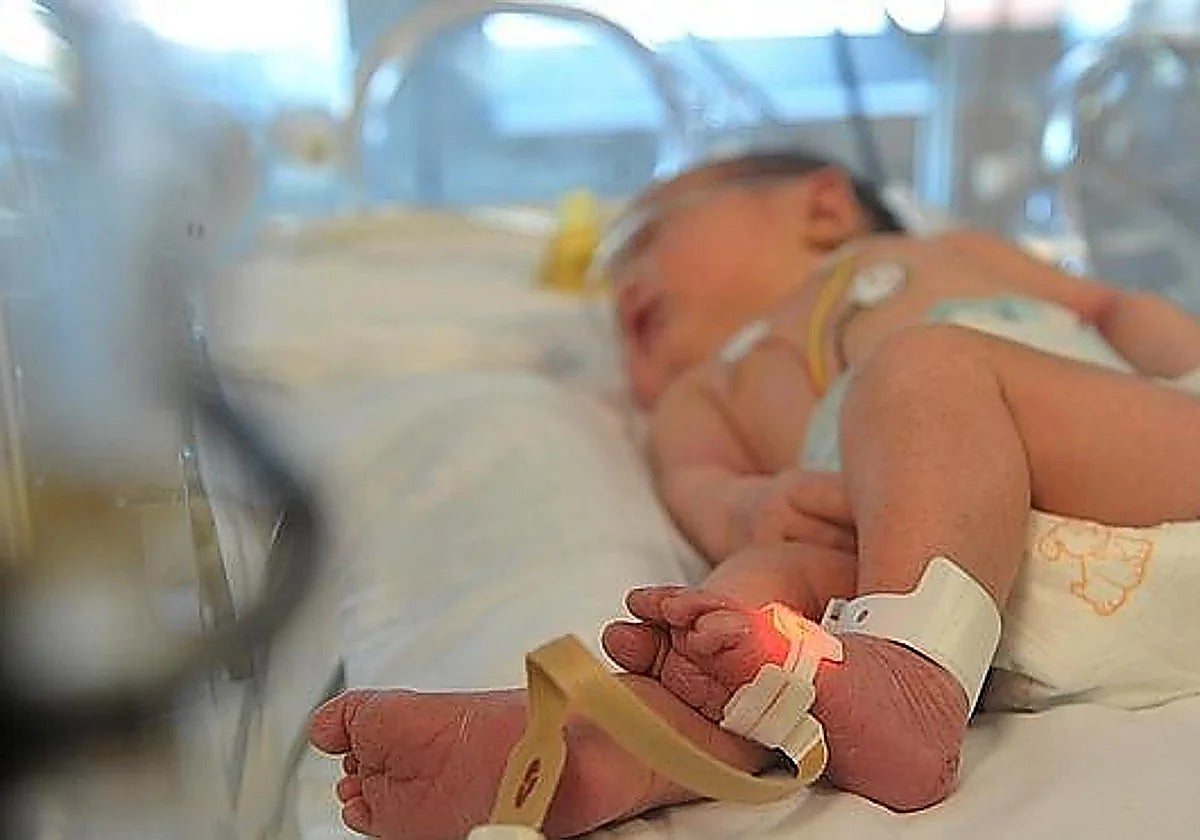

The regional ministry of health of Andalucía is launching a campaign on Monday, 21 September, to vaccinate around 10,600 babies in Malaga province born ... between 1 April 2026 and 31 March 2027 against RSV, which is the main cause of bronchiolitis.
Thanks to nirsevimab (a new medicine), hospitalisations in Andalucía and Malaga have fallen by more than 80% and 90%, respectively, over the past three years.
Bronchiolitis is an acute respiratory infection that mainly affects infants under the age of two, particularly during their first year of life. It causes inflammation of the bronchioles, the smallest airways in the lungs, leading to difficulty breathing, a cough, wheezing, an increased breathing rate and, in the most severe cases, a lack of oxygen which may require hospitalisation.
The regional government (Junta) has already carried out three vaccination campaigns using nirsevimab. It is a monoclonal antibody that provides passive protection against RSV.
The results have been spectacular: in the 2022-23 campaign, prior to the introduction of the vaccine, there were 239 hospital admissions in Malaga, compared with 23 in 2024-25.
In addition, most babies now get admitted to hospital with much less severe cases.
The Junta has allocated 15.2 million euros to the campaign, aiming to match the coverage in the previous campaign, when 55,000 infants across the region were immunised (96% of all newborns in Andalucía). Since its launch, the campaign has succeeded in immunising 165,737 infants against RSV in the region.
Change profile
Head of pediatrics at the Materno Infantil hospital in Malaga city Dr Esmeralda Núñez told SUR a few months ago: "There has been a change in the profile of patients admitted with RSV infections. Before we had antibodies against RSV, the patients were under three months old and suffered from more severe cases of bronchiolitis, with a higher rate of admission to the ICU and more complications.
Now, thanks to the use of these antibodies, the incidence rate has fallen, but also the profile of patients has changed: they are now between one and two years old, with milder to moderate cases of bronchiolitis, shorter hospital stays and much more manageable symptoms."
During the 2024-25 campaign, 10,257 children under six months were vaccinated in Malaga (97% coverage), while in the 2023-24 campaign the figure was 91.5%. In the 2025-26 campaign, the target was to vaccinate 10,200 babies in Malaga, followed by 10,600 in the current campaign.
Nirsevimab is not a vaccine in the traditional sense: it is administered once per season and directly protects the baby without the baby's immune system having to generate its own defences. Its impact in Andalucía has been very positive.
Transmission
RSV is easily transmitted through direct contact and respiratory droplets. Although it causes only mild symptoms in most babies, in somem, particularly the youngest, premature or those with underlying health conditions, it can progress to severe forms.
"We estimate that the three previous vaccination campaigns have prevented approximately 6,000 children under six months of age from having to be admitted to hospitals in Andalucía due to bronchiolitis," the regional ministry of health said.
The vaccination campaign covers all infants under six months of age, premature babies under 12 months of age and children under two years of age with heart, respiratory, neuromuscular or immune system problems.
The SAS (Andalusian health service) has already begun contacting the parents of children born between 1 April and 30 September to arrange an appointment at their primary care centres, where they will be able to receive the vaccine. Babies born between 1 October this year and 31 March 2027 will be immunised in hospital maternity wards before being discharged.
The parents of premature babies under one year of age born at less than 35 weeks' gestation and children under two years of age with very high-risk conditions will also be contacted.
The main new feature of this campaign is that all babies born on or after 1 October 2026 in private hospitals will receive the single-dose vaccination without the need for a prior appointment, during their first face-to-face contact with the public health service, "at their designated primary care centre closest to their home".
"This vaccine is safe, highly effective and free of charge," regional minister of health Antonio Sanz said. He added that vaccination "reduces the pressure on A&E departments, paediatric wards and primary care services".
![[]](http://static.vocstatic.com/voc26/latest/assets/images/favicon/surinenglish/apple-touch-icon-57x57.png)