
Health
Spain's health authorities vaccinate nearly 3,000 newborns in Malaga province against bronchiolitis in just ten days
The initiative aims to replicate last year's success and reduce hospital admissions among infants by up to 80 per cent
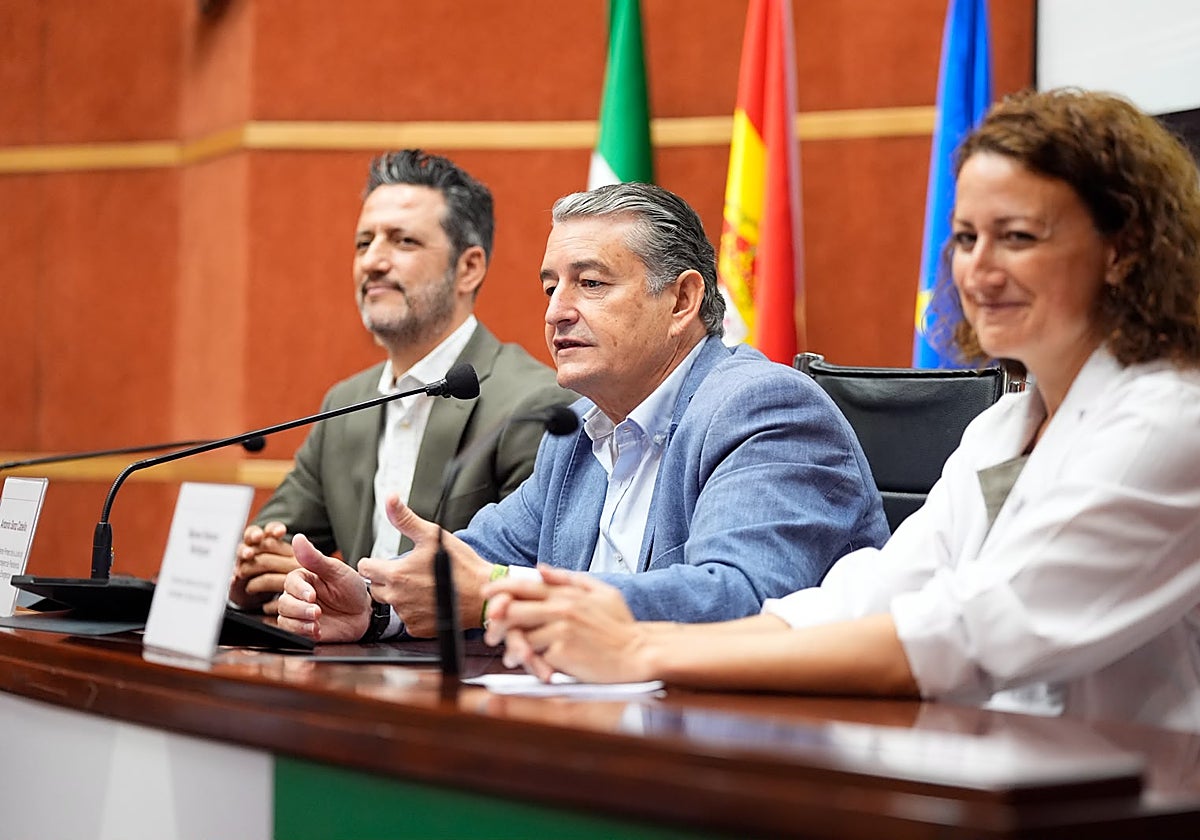

In the first ten days since the start of the immunisation campaign for RSV (respiratory syncytial virus), which can lead to an acute respiratory infection ... called bronchiolitis, the Spanish health authorities vaccinated 2,938 babies in Malaga province.
The plan is to vaccinate 10,600 babies: an estimate based on all the babies to have been born by 31 March 2027.
Bronchiolitis mainly affects infants under the age of two, particularly during their first year of life. It causes inflammation of the bronchioles (the smallest airways in the lungs), leading to difficulty breathing, a cough, wheezing, an increased breathing rate and, in the most severe cases, a lack of oxygen which may require hospitalisation.
Related story
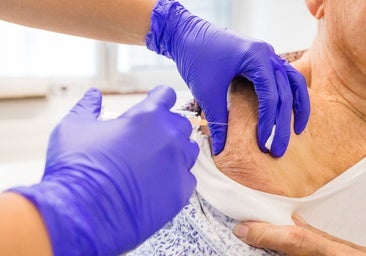
The regional government of Andalucía has already carried out three vaccination campaigns using a new medicine called nirsevimab. It is a monoclonal antibody that provides passive protection against RSV.
The results have been spectacular: in the 2022-2023 campaign, prior to the roll-out of the vaccine, there were 239 hospital admissions in Malaga province, compared with 23 in the 2024-2025 campaign, a reduction of 90.4 per cent.
Furthermore, the children who require hospitalisation lately are admitted in a much less severe condition.
"We have managed to reduce hospital admissions for bronchiolitis in this age group by 80 per cent. We are talking about 6,000 fewer hospital admissions for bronchiolitis over three seasons," regional minister of health Antonio Sanz recently said.
During the first ten days of the campaign, 16,941 Andalusian babies under the age of six months were vaccinated, 14.5 per cent more than during the same period of the previous campaign (25/26).
"This is an example of how the Andalusian public health vaccination campaign is working, of the involvement of all healthcare professionals, as well as of the commitment and awareness of parents when it comes to protecting their newborns," Sanz said.
The campaign has cost 15.2 million euros and its aim is to immunise more than 96 per cent of newborns. Last year, it did achieve this target.
Covid-19 and flu vaccination
Sanz also said that on Thursday, the first day of the flu and Covid-19 vaccination campaign, 6,406 children between the ages six months and almost five years were vaccinated, of whom 4,277 received the vaccine at their schools. In nursing homes, where the campaign has been brought forward by a week this year, 3,177 people were vaccinated.
A new feature of the bronchiolitis campaign is the immunisation of babies born on or after 1 October 2026, "regardless of their type of insurance or healthcare cover, in a single session and without the need for an appointment, during their first visit to their local primary care centre". This includes babies born in private hospitals or clinics or at home.
Sanz also pointed out that this year the SAS is extending the RSV vaccination programme "to other groups most vulnerable to this virus: elderly people living in nursing homes and adults with severe immunodeficiency".
In the main group, comprising children born on or after 1 April 2026, 16,126 doses have been administered in the region, representing a coverage rate of 55.8 per cent, compared with the 49.8 per cent at the same stage of the 25/26 campaign.
This campaign began on 21 September, aiming to cover all infants under six months of age, premature infants under 12 months of age and children under two years of age with certain high-risk medical conditions.
Babies born between 1 October 2026 and 31 March 2027 will be vaccinated in hospital maternity wards before they are discharged. In addition, children in high-risk groups will be invited to receive the vaccine at primary care centres or in hospitals.
![[]](http://static.vocstatic.com/voc26/latest/assets/images/favicon/surinenglish/apple-touch-icon-57x57.png)