
Health
Malaga hospital successfully trials drug that controls brain tumours in 96.5 per cent of patients
The study involving seven public hospitals in Andalucía analyses the outcome for 58 patients with grade 2 glioma, whose median survival is 13 years
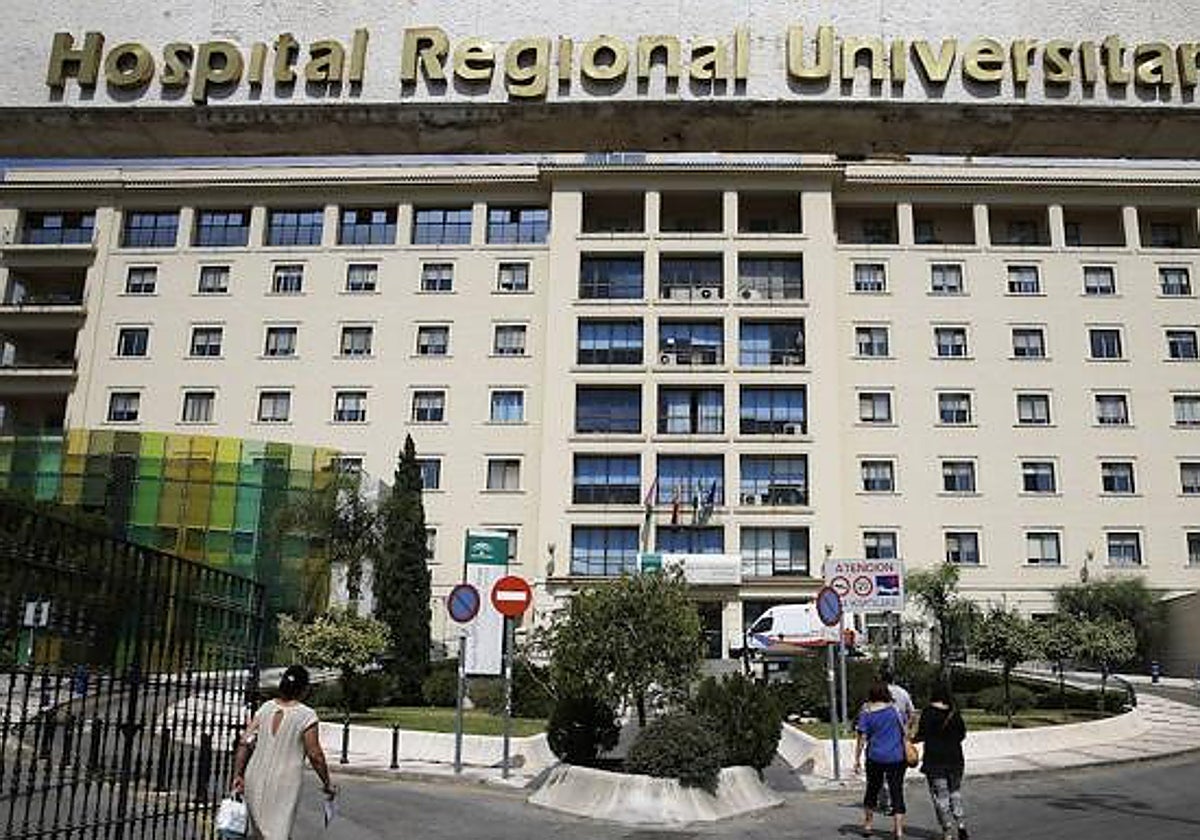

A pioneering medical trial involving seven Andalusian public hospitals - including Malaga’s Hospital Regional - has successfully demonstrated that a targeted drug controls tumour growth in ... 96.5 per cent of patients with grade 2 gliomas.
The observational study, presented at the European Association of Neuro-Oncology (EANO 2026) congress in Rome and the Spanish Society of Medical Oncology (SEOM) conference in Madrid, analysed real-world outcomes for 58 patients treated with vorasidenib.
The oral drug specifically targets mutant IDH1 and IDH2 enzymes present in all cases of this specific brain cancer.
Preserving quality of life for young adults
Grade 2 gliomas are slow-growing malignant brain tumours that predominantly strike young adults between the ages of 30 and 40 - a life stage when personal and professional development is at its peak. While patients have a median overall survival of 13 years, the tumours routinely recur and eventually progress into highly aggressive cancers.
Until now, post-surgical treatment options were limited to observation or aggressive chemoradiotherapy, which carries severe long-term side effects including cognitive impairment, memory loss, and fatigue.
Related story

"Vorasidenib represents a paradigm shift by offering a targeted alternative that halts progression and delays the need for invasive chemotherapy and radiation," noted researchers from the Andalusian Society of Medical Oncology (SAOM).
Across the 58 patients treated under an expanded access programme between 2024 and 2025, 50 achieved complete tumour stabilisation, five experienced partial responses, and only three showed radiological progression. Furthermore, among 24 patients who suffered from debilitating epileptic seizures prior to treatment, 19 achieved complete seizure control after starting the drug.
High tolerance and regional impact
The treatment demonstrated a favorable safety profile in real-world clinical conditions. While elevated liver transaminases were the most common adverse effect, only one patient discontinued treatment due to toxicity.
Epidemiological estimates suggest that over 120 people are currently living with grade 2 gliomas in Malaga province, with around 27 new cases diagnosed annually. Medical specialists emphasized that delay in disease progression offers young patients crucial additional years of independence and high functional quality of life.
![[]](http://static.vocstatic.com/voc26/latest/assets/images/favicon/surinenglish/apple-touch-icon-57x57.png)