
Health
Andalucía launches flu-prevention campaign with vaccination from 1 October
The regional government is going to extend the high-dose flu vaccine to over-75s, add protection against RSV in nursing homes and vaccinate teachers and the families of young children
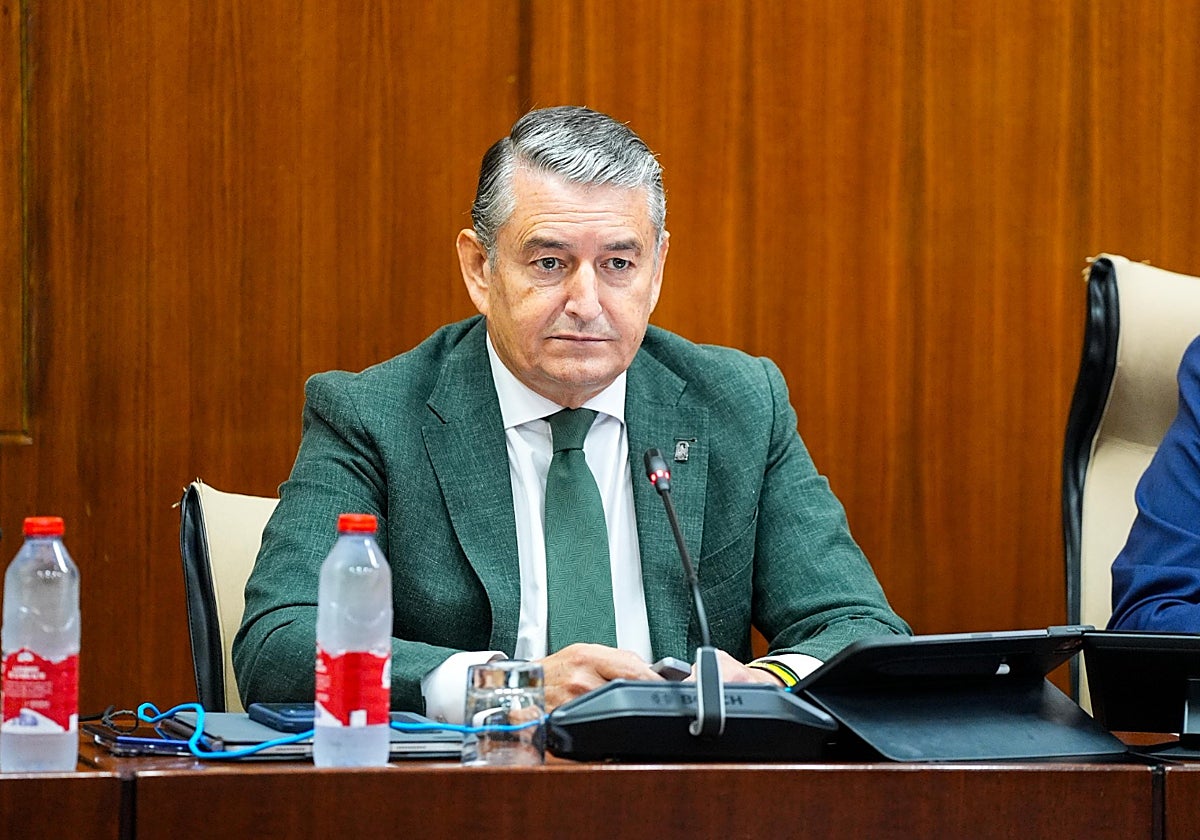

The Andalusian regional ministry of health announced on Thursday that the flu and coronavirus vaccination campaign is starting on 1 October, next Wednesday. The aim ... is to provide more effective protection for children and the elderly.
Those in charge of the campaign have taken into account how challenging late autumn and winter were last year, when the flu season started around a month earlier than expected. It also featured a variant of the H3N2 virus (flu) known as the K subclade. Various medical societies warned at the time that it was more transmissible and more resistant to vaccines.
The semFYC medical society then warned of the risk this variant poses to vulnerable people: the elderly, those who are immunocompromised or patients with chronic conditions. Although the virus is not more virulent, "it can lead to more hospital admissions and complications, because it affects people who were protected by the vaccine and are no longer as well protected as in previous years when there were fewer antigenic changes".
During the 2025/2026 campaign, more than 344,000 people received the vaccine in Malaga province. Andalucía hit a record of 1,938,664 vaccinations. In addition, 778,824 people received the Covid-19 vaccine, while 56,186 babies were immunised against respiratory syncytial virus.
Regional minister of health Antonio Sanz said on Thursday that the first to be eligible for vaccination will be children between the ages of six months and just under five years, as well as their teaching staff and children between the ages of five and 17 with underlying health conditions or at risk. Pregnant women will also benefit from this first wave of vaccination.
A new feature of the campaign this year is the vaccination of the residents of nursing homes and centres for people with disabilities, along with the workers who care for them. Also from 1 October, healthcare and social care staff can get vaccinated.
"Strengthening public health means precisely that: anticipating risks, preventing disease and protecting the population before they need healthcare. Andalucía has one of the most comprehensive vaccination programmes in the entire national health system and we want to keep it that way," Sanz stated.
Children
Children between the ages of three and four will receive the intranasal vaccine at school. The family members who live with them and teachers will also be eligible for the vaccine.
Sanz also highlighted that among this year's new measures is the extension of the age range for the administration of the high-antigen-load flu vaccine, which will now be given to over-75s, rather than over-80s as was the case last year. In adition, people living in nursing home and those over the age of 12 with certain conditions causing immunosuppression will receive the Bimervax (Hipra) protein-based Covid-19 vaccine.
Furthermore, in a few weeks' time, the campaign will extend to include vaccination against RSV (respiratory syncytial virus) for residents of nursing homes and adults with severe immunodeficiency. Information on this will be provided through the channels of the SAS (Andalusian health service).
From 7 October, the flu and Covid-19 vaccination campaign will include people over the age of 80, those requiring high-level care at home and their regular carers, as well as healthcare and social care professionals.
On 14 October, the vaccination programme will open to over-70s and adults under 60 with underlying health conditions and those in high-risk groups.
Finally, from 21 October, over-60s, members of the state security forces, firefighters, prison staff and professionals who come into contact with animals will be able to receive the vaccine.
Furthermore, people living with those for whom the flu jab is recommended will be able to receive the vaccine at the same time as the target groups they live with.
![[]](http://static.vocstatic.com/voc26/latest/assets/images/favicon/surinenglish/apple-touch-icon-57x57.png)