
World Cup
France or Spain - Europe's unique border-swapping isle
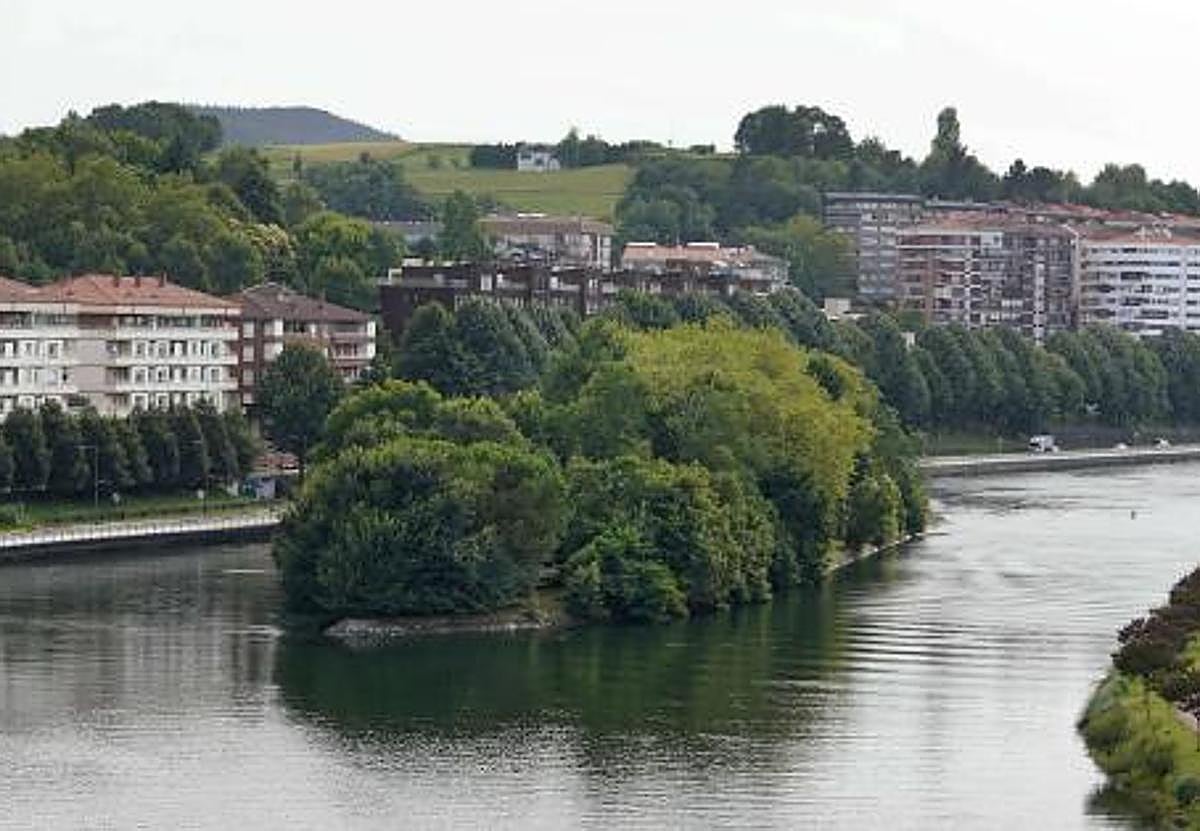
For those whose hearts are torn between the two countries, the best solution is to head to Pheasant Island. The island can be clearly seen from both banks of the river, where tonight Spanish and French flags will be flying in a mixture of nervousness and euphoria
Alekk M. Saanders
Hondarribia
In French, it is named 'Île des Faisans' and Spanish call it 'Isla de los Faisanes' but in fact, a more fitting name would be 'Chameleon Island'… The fact is that every six months the island changes its colours, taking on the flag of either France or Spain.
Neutral territory for peace talks
Situated on the Bidasoa River between the French town of Hendaye and the Spanish town of Irun, this tiny island passes from the sovereignty of one country to that of the other every six months.
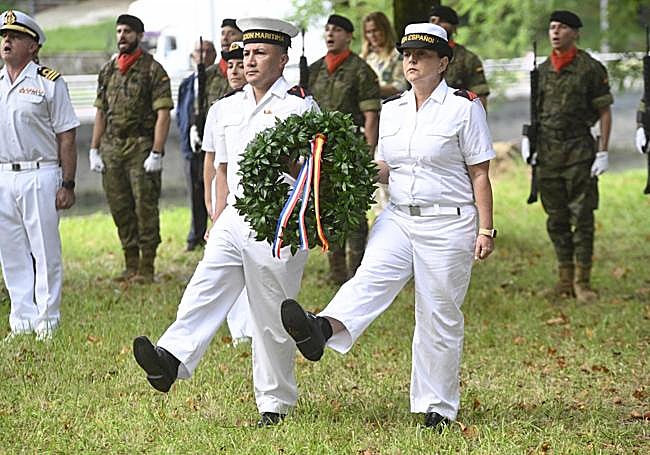
The administrative handover of this, the world’s smallest condominium, was traditionally carried out by the naval commanders of Irun and Hendaye. Nowadays, the entire procedure essentially boils down to an exchange of letters or even emails.
This unique and curious geopolitical situation has persisted since 1659. In that year, the 24-year war between France and Spain came to an end here with the signing of the Treaty of the Pyrenees. To seal this agreement, King Louis XIV of France and King Philip IV of Spain met in the middle of the river. Philip brought his daughter Maria Theresa with him to marry her to the French king.
To ensure absolute fairness, both countries erected sumptuous temporary pavilions adorned with magnificent tapestries. As no agreement could be reached on where the neutral border ended, members of the royal families had to literally sit directly on a wooden line inside the building to ensure that, during the negotiations, they were technically on the territory of their respective countries. Incidentally, a monument was erected in the centre of the island to commemorate this meeting.
It is worth noting that, prior to the lavish wedding, the island had served as a tense neutral zone. The French Prince Louis II (the Great Condé) defected to Spain and fought on its side. As a concession under the terms of the treaty, he was to receive a pardon from Louis XIV. The island thus served as the place where the prince officially begged the French king for forgiveness.
The island is uninhabited and indeed it does not have any pheasants. Access to it is also strictly limited
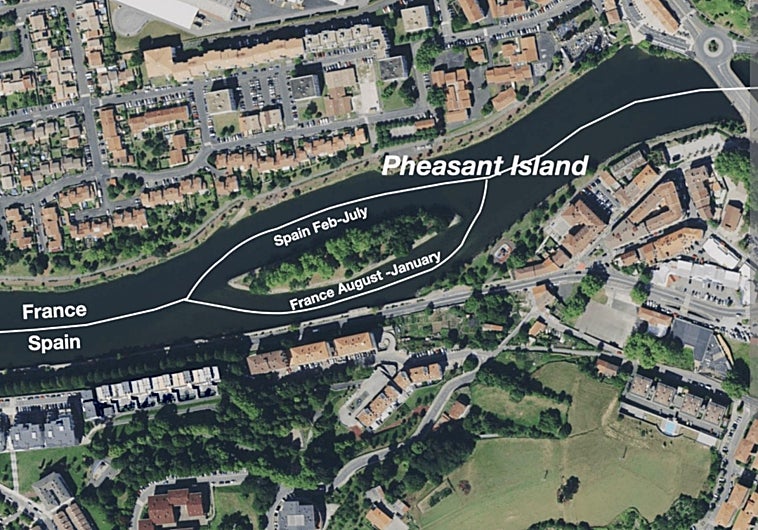
As the island was used as neutral territory for peace talks, both countries agreed to its permanent joint administration. Alternately, for six-month periods, it is officially under the administration of the commander of the naval forces of the Spanish town of Hondarribia (1 February – 31 July) and the French Viceroy (1 August – 31 January).
Not permitted to visit
The island covering an area of 1.69 acres is approximately 200 metres long and 40 metres wide. It is uninhabited and indeed it does not have any pheasants.
Apparently, the French word for ‘border’ (passant) has evolved over the centuries into ‘faisan’ (pheasant). It is worth noting that, as the Franco-Spanish border follows the thalweg of the main channel of the Bidasoa River, located on the northern bank of the islet, the entire territory of Pheasant Island constitutes an enclave within the borders of Spain.
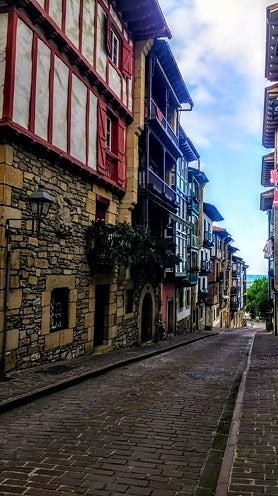
Historically, the French also referred to it as ‘Hospital Island’, as it has always been isolated and it was frequently used for quarantine purposes.
To this day, access to the island is also strictly limited to maintenance work and official diplomatic visits. It is explained that the island is also closed off to protect its vulnerable ecosystem, as it is subject to constant erosion.
Tourists are not permitted to visit it, but can easily see it from both the French and Spanish banks of the river. However, a group of local fishermen told SUR in English that, at low tide, it is sometimes possible to reach the island on foot from the Spanish side.
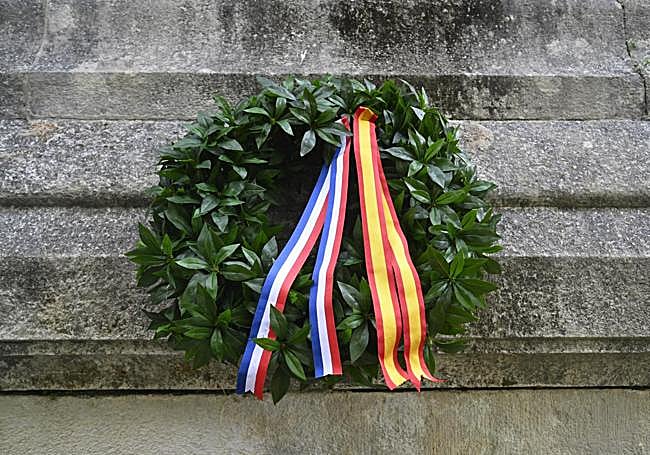
Officially, only staff from the municipalities of Irun or Hendaye are permitted to visit the island once every six months for cleaning and gardening work, while military personnel from the naval bases in San Sebastián and the French city of Bayonne, who are responsible for monitoring the island, land there every five days.
We’ll find out tonight how the match between the French and Spanish national teams at the World Cup will go, but by now many more people have got to know where the place is, where these two countries once kissed and made up, and where they still live in harmony and peace to this day.
![[]](http://static.vocstatic.com/voc26/latest/assets/images/favicon/surinenglish/apple-touch-icon-57x57.png)