
Food and drink
The cherry season
At first glance, cherries and picotas look almost identical, yet one small detail reveals that they are not the same notes columnist Andrew J. Linn
Andrew J. Linn
Moseying around the Malaga market this week, a friend heard two Spanish ladies arguing about stalks, or rather, the absence of them. All fruit has a stalk, some admittedly so small and shrunken they are hardly noticeable, but it is the umbilical cord that provides nutrition from the original bush or tree.
Anyone who has not been living in a cave without the internet will be aware that it is currently cherry season, and it is not hard to understand why the Japanese consider it one of the most colourful times of the year.
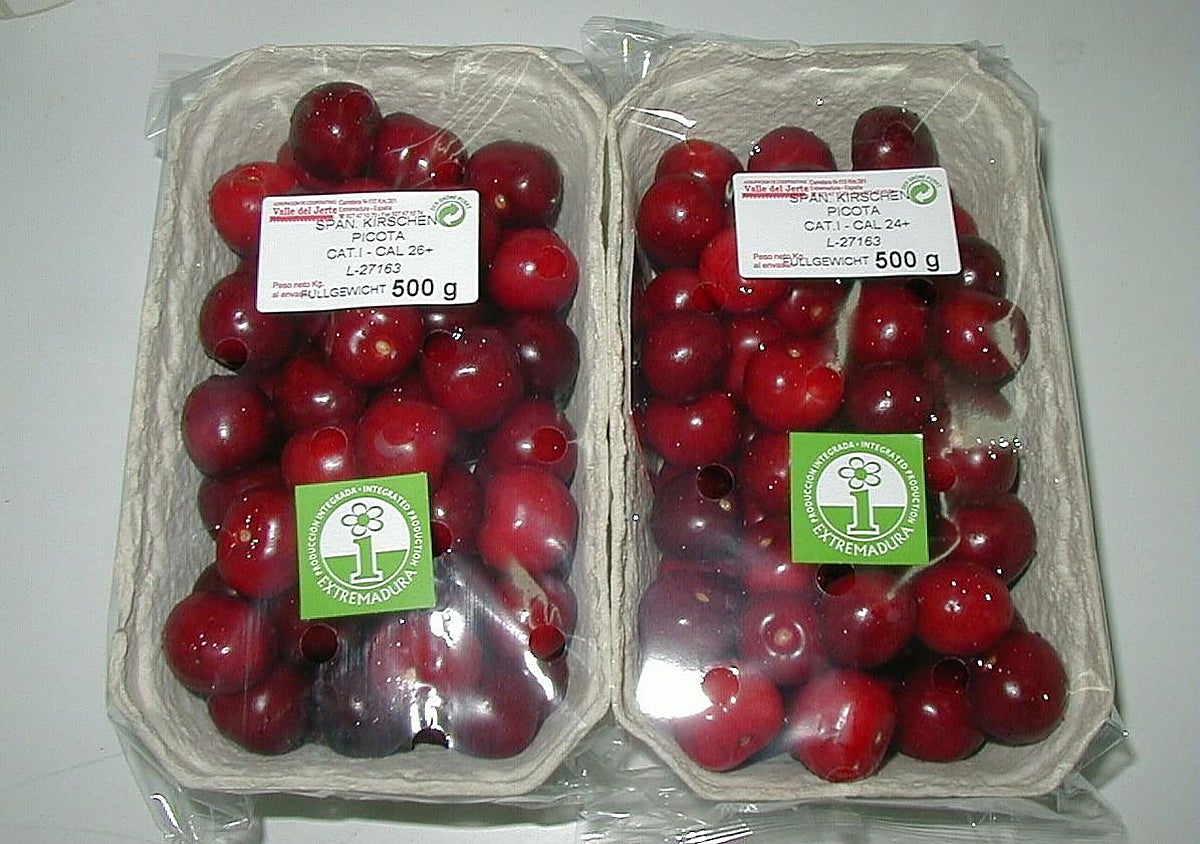
At first glance, cherries and picotas look almost identical, yet one small detail reveals that they are not the same. The clue is the stalk - or rather, the lack of one. Most cherries are picked with their stalks attached, which helps keep the fruit fresh after harvesting. Picotas, however, belong to a select group of traditional varieties from the Jerte Valley in Extremadura.
Wine of the week
-
Raspa 2021 Sierras de Málaga

-
Produced mainly from local grape varieties, it is a light, fresh red with lively acidity and a straightforward, fruity character. Once regarded as a humble country wine, Raspa has enjoyed renewed interest as winemakers revive historic styles and celebrate Malaga’s rich viticultural heritage. Around 13 euros.
Unlike ordinary cherries, genuine picotas naturally separate from their stalks when picked, leaving the stalk behind on the tree. Authentic picotas are always sold without stalks. It’s not a sign that they’ve been handled roughly - it’s one of the characteristics that makes them unique.
Picotas are prized for their crisp texture, rich flavour and natural sweetness. They also ripen later than most cherries, extending Spain’s cherry season. Despite their sweetness, cherries can form part of a balanced diet for people with type 2 diabetes because of their low glycaemic index and fibre, which helps slow the absorption of natural sugars.
![[]](http://static.vocstatic.com/voc26/latest/assets/images/favicon/surinenglish/apple-touch-icon-57x57.png)