
Food and drink
Periana peaches: the fruit that draws hundreds of people to the Alta Axarquía
A family-run farm cultivates around 700 trees and sells almost all of its produce directly to consumers seeking a flavour that is hard to find through the usual channels

Malaga
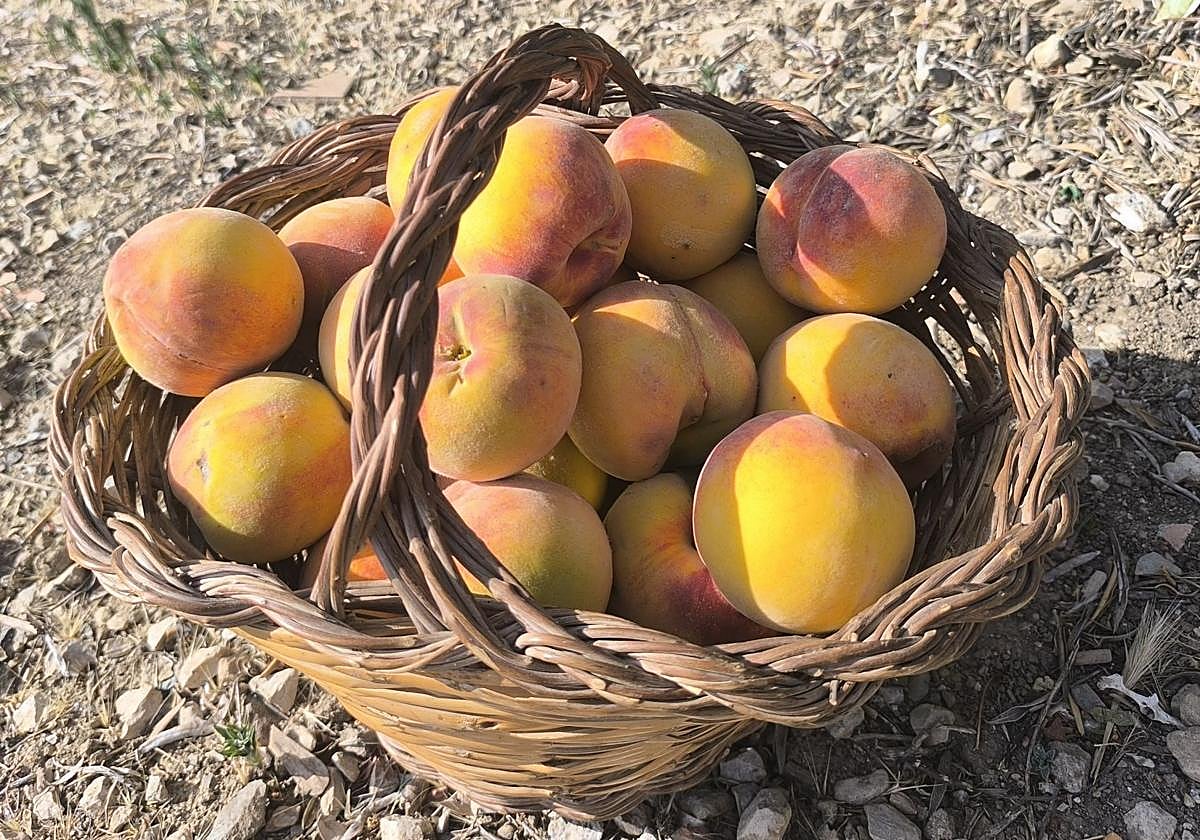
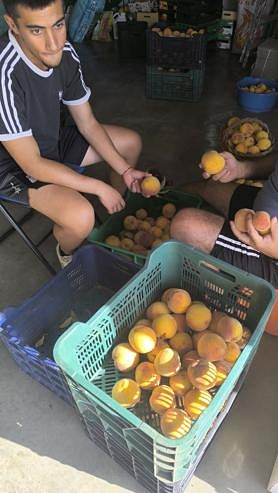
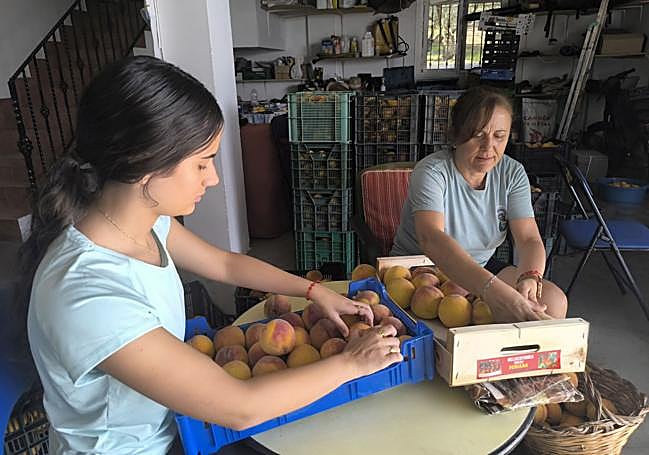
It has only been a few minutes since the peaches were picked from the tree. They still retain the fine fuzz that protects their skin ... as they embark on a new journey, this time passing from one pair of hands to another. In a family-run warehouse in Periana, each peach undergoes a thorough inspection. They are sorted by size, carefully washed and any with a bruise, a bite mark or a small blemish are set aside. The best ones will end up that very same day in the boots of customers who have travelled dozens of kilometres to collect a box straight from the grower.
The scene sums up well the uniqueness of the Periana peach. It no longer accounts for millions of kilos as it did in its heyday, nor is that historic late-ripening variety, which brought the town national fame, grown any more. However, there are still families determined to keep this agricultural tradition alive. And, most strikingly, there remains a loyal following who look forward to travelling up to this corner of the Alta Axarquía every summer in search of a fruit that is hard to find through the usual distribution channels.
Antonio Ortiz and Ana Mari Villa are part of this silent resistance. Under the family brand Noeda, a name formed from the first syllables of their children’s names, Noelia and Daniel, they cultivate some 700 peach trees spread across two plots. This year, the harvest lasts barely a month, roughly between 10 July and 10 August. Then it’s time to wait another year.
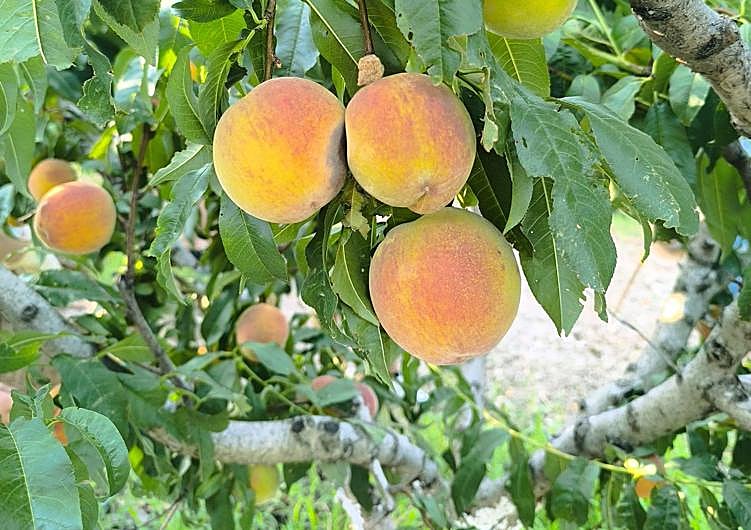
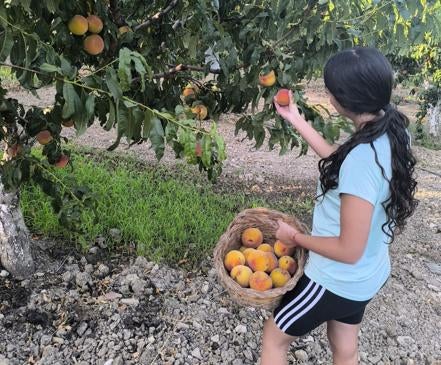
“My father already had peach trees and I took over the farm. I’ve also been replanting plots to keep the crop going,” explains Antonio as he makes his way through the trees laden with fruit.
Heir to a tradition
The trees that now cover the slopes of this farm are not of the old late-ripening variety that made the village famous for much of the 20th century. That variety disappeared following years of drought and disease. The new variety being cultivated is known as ‘Brasileño’, which has enabled the crop to be revived.
“It has a very balanced acidity and sweetness, very juicy flesh, and a reddish colour on the inside that other peaches don’t have,” the farmer sums up.
The environment also plays its part. The gentle slopes of the Alta Axarquía, the climate and soils that have for decades demonstrated their suitability for this crop go a long way towards explaining why the peach continues to find one of its best habitats here.
Antonio is in no doubt when asked about other trendy crops: “Many people here tried growing avocados or mangoes and ended up pulling them up. This land is for peaches.”
Losses
One of the lesser-known aspects of fruit growing comes to light when the fruit arrives at the warehouse. Very different piles begin to form on the tables: large, medium and small peaches destined for sale; those that will be used for jam; and, finally, those that will never reach the market.
“There’s a significant portion that needs to be set aside because it’s damaged or doesn’t meet the required size,” explains Ana Mari as she carefully sorts through each piece.
There are many reasons behind this decline. The wind can knock down half the crop when the fruit is already ripe. Hail leaves damage that is difficult to recover from. There are also instances of insect damage, minor knocks and even thefts right in the middle of the harvest season. “Last year, a huge amount of fruit fell due to the strong onshore wind and thefts also affect us; we’ve have had to report them to the police,” says Antonio.
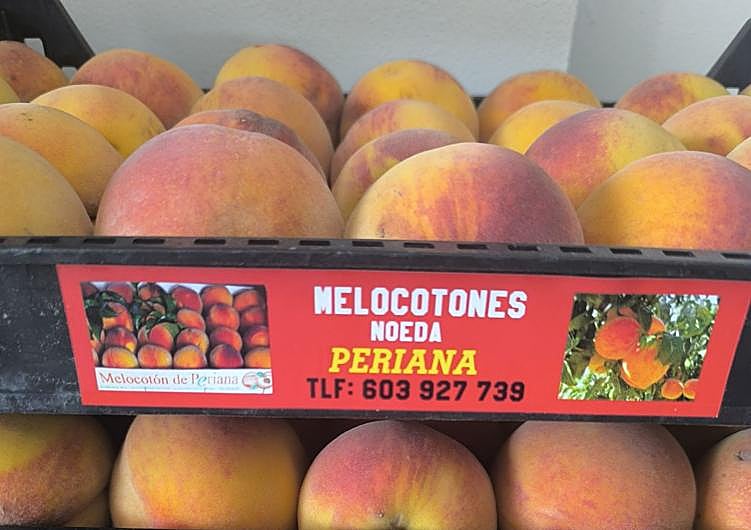
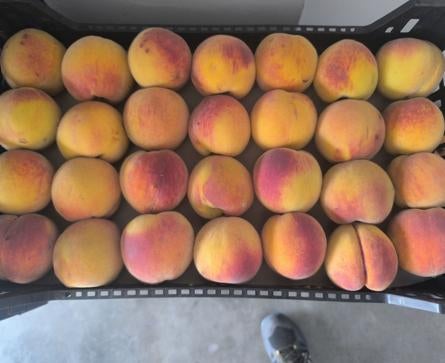
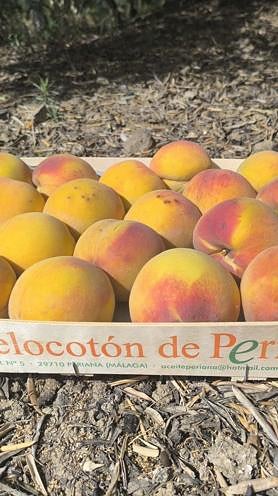
On top of that work, there is another, far less visible task. Whilst the harvest season lasts just a few weeks, peach trees require care practically all year round: pruning, thinning, treatments, irrigation and the gradual replacement of the oldest trees. Furthermore, a tree does not reach its peak yield until it is seven or eight years old. And when it reaches its twenties, its life cycle comes to an end.
The fruit that seeks out the consumer
Perhaps the most surprising fact is that these peaches hardly need any advertising. Or, in a way, they do, the most complicated, yet effective kind: word of mouth. Production is so limited that they hardly ever have to go out looking for buyers. It is the buyers who seek out the peaches, from nearby villages, but also from Malaga and other more distant towns. “We’ve even been asked to send them to Barcelona, but we don’t fulfil that sort of order,” explains Ana Mari.
“People already know which farmer to go to: they ring us, make a booking and come straight to collect the crates; we sell directly to the consumer, with no middlemen,” explains Antonio.
Some people buy a box to take home. Others take the opportunity to buy a present. There are also neighbours who specifically look for pieces with minor flaws because they’re perfect for making jam.
In the Ortiz Villa family, this practice even has its own name. Uncle Domingo gathers some of those peaches that can no longer be sold as fresh fruit and, following a time-honoured tradition, makes peaches in syrup every summer. He does this outdoors, over a wood fire, using an old bucket which, rather than being recycled, is reused as a saucepan. He then fills glass jars, allowing the harvest to be enjoyed many months after the season has ended. It is another way of approaching a crop where nothing is wasted and every fruit has a purpose.
Meanwhile, on the hillsides of Periana, the trees continue to shape a tradition that refuses to fade away. Every crate that leaves these orchards carries much more than just peaches: it carries a whole year’s work and the dedication of several generations to keeping alive one of the most characteristic flavours of summer in the Alta Axarquía.
![[]](http://static.vocstatic.com/voc26/latest/assets/images/favicon/surinenglish/apple-touch-icon-57x57.png)