
Food and drink
Not yet 'RIP'
From Michelin’s Burgundy backlash to unreliable AI apps: Andrew J. Linn comments on the fast-fading era of the printed wine guide
Andrew J. Linn
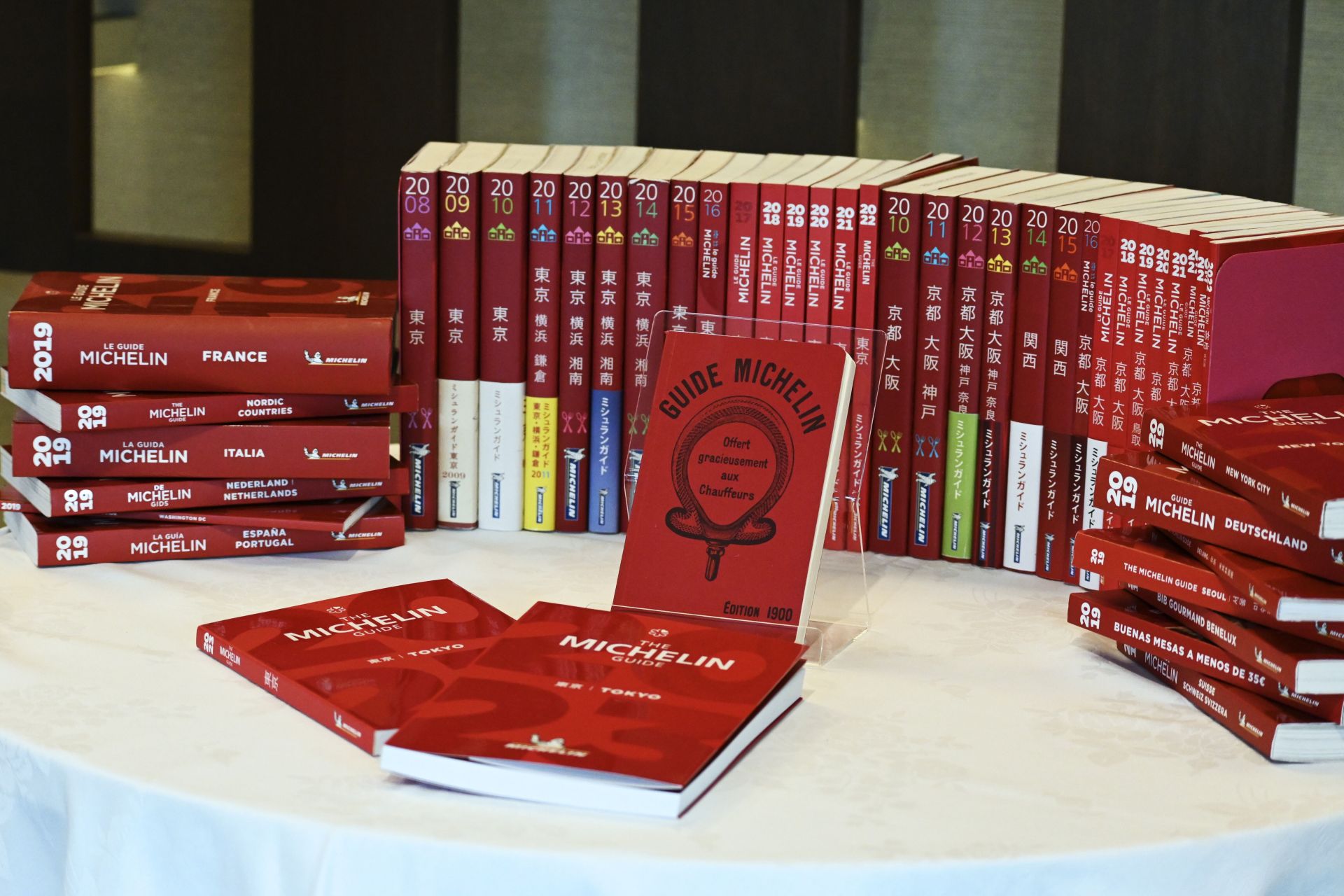
The “little red book” is not a Maoist text. The original Michelin restaurant guide encouraged driving to distant eateries, wearing out tyres on the tarmac. Adding “worth the detour” prompted longer scenic routes.
Yet Michelin’s wine venture predictably provoked French indignation. Its 2026 Burgundy selection awarded three grapes to just nine producers, prompting offended vineyards to demand removal. This quarrel highlights something significant: Michelin’s wine guide may be nearing its end.
Rating producers rather than specific wines, Michelin assesses consistency and vineyard management. For consumers, France’s Guide Hachette des Vins - which categorises individual cuvées - is far more practical. More revealing is Michelin’s French tunnel vision; despite promising global reach, it barely looks beyond France. Rioja and Sonoma need not hold their breath.
Print wine guides exploded in the 1970s via Decanter, Wine Spectator, Hugh Johnson and Robert Parker, alongside national guides from Jancis Robinson and José Peñín. Yet printed picks age quickly: vintages, prices and wines shift before publication. The internet accelerated their decline, and today’s vast market makes total coverage impossible. While AI-powered apps offer instant recommendations, their reliability and underlying sources remain questionable. Human-written guides retain authority, though their influence over average drinkers is unproven.
Michelin’s wine guide may become a landmark, but its latest edition felt like an epitaph rather than a revolution. The shop-counter wine guide? RIP. The AI replacement? Too early to raise a glass.
![[]](http://static.vocstatic.com/voc26/latest/assets/images/favicon/surinenglish/apple-touch-icon-57x57.png)