
Food and drink
Football wine
Columnist Andrew J. linn looks at why big tournaments rarely deliver a record-breaking economic boost for local bars
Andrew J. Linn
Hardly a topic that will worry Costa dwellers, but anyone who has been to a football stadium in Europe and had a few drinks before, during or after the match will accept the transaction as just a part of the event, and not stop to think about how those few pints or copas get factored into the wider picture.
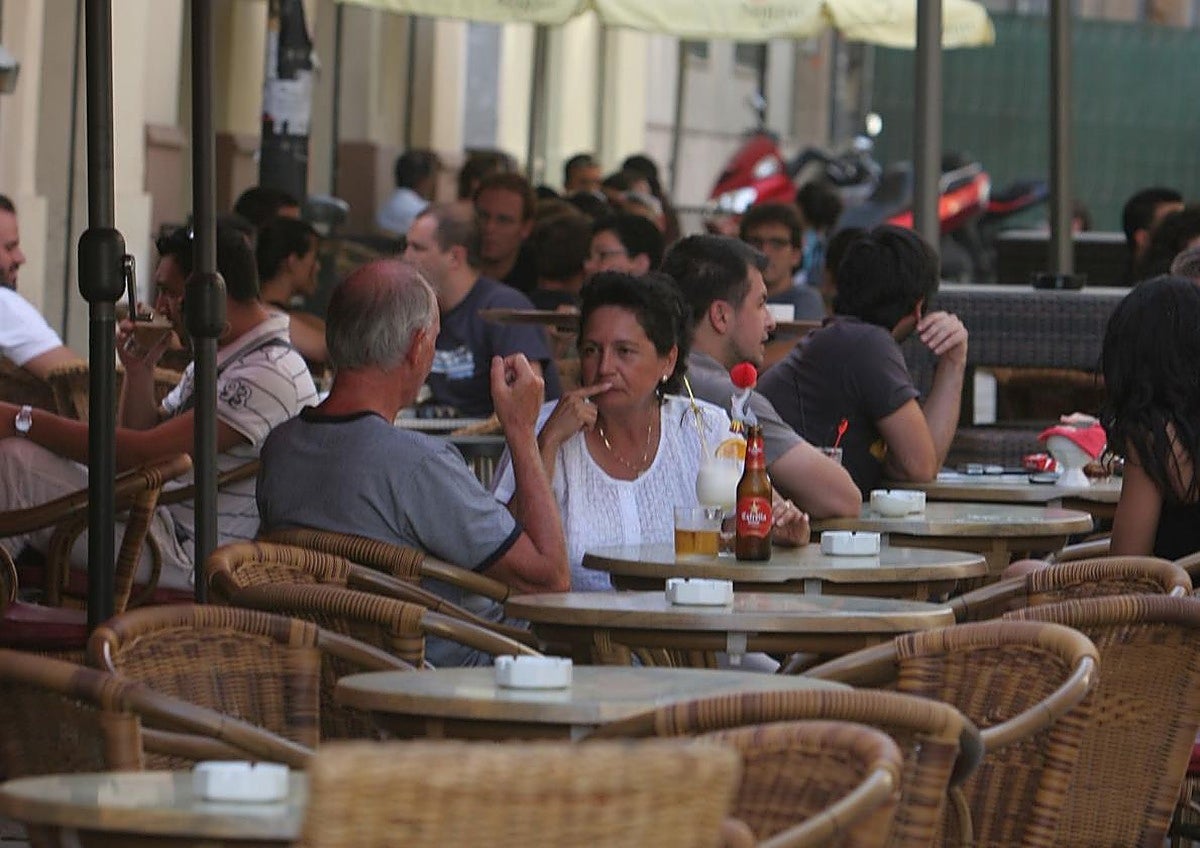
During major football tournaments, many assume that host cities will see a huge boom in bar and alcohol sales. In reality, research from previous World Cups and European Championships often shows a redistribution of spending rather than a large increase in total expenditure. One of the main reasons being the amount fans spend inside stadiums or surrounding areas.
Wine of the week
-
Peninsula Skin Contact 2022

This is an Orange Wine, signifying that the must remains undisturbed for an extended period, in this case 149 days. Another unusual feature is the source, Albariño grapes grown in the Cuenca region. Highly interesting and worth looking out for. Around 15 euros
In the main, local residents often avoid city centres because of crowds, offsetting the extra spending by visitors, and visitors are concentrated in a few areas. Many fans buy alcohol from supermarkets instead of drinking in pubs. Hotels, restaurants and bars sometimes raise prices during major events, causing some visitors to drink less than expected.
There is another consequence that economists call the “substitution effect”. A visitor who spends 40 euros on drinks during a football trip might have spent that same 40 euros on another leisure activity if the tournament had not been taking place locally. The city gains little extra revenue overall. Host cities often find that hotels, transport and attractions benefit more consistently than bars.
So if reports suggest that most bars across World Cup host cities have not experienced a noticeable increase in sales, that would not be unusual. It would, however, be surprising if bars adjacent to stadiums and fan zones also failed to see any uplift, as those businesses usually benefit on match days.
![[]](http://static.vocstatic.com/voc26/latest/assets/images/favicon/surinenglish/apple-touch-icon-57x57.png)