
Food and Drink
National drinks
Beer, wine, or something stronger - most countries have multiple traditional drinks, says Andrew J. Linn
Andrew J. Linn
What could be more British than a pint of beer? Actually, quite a lot. In the UK, spirits are consumed more widely than many believe, and Germany and Ireland are more purely beer-defined than Britain ever was. So even if we accept beer as the traditional British drink, how do other mainland European countries fare? Across Europe, most countries have multiple traditional drinks, often split between everyday and ceremonial. So here's a reality check:
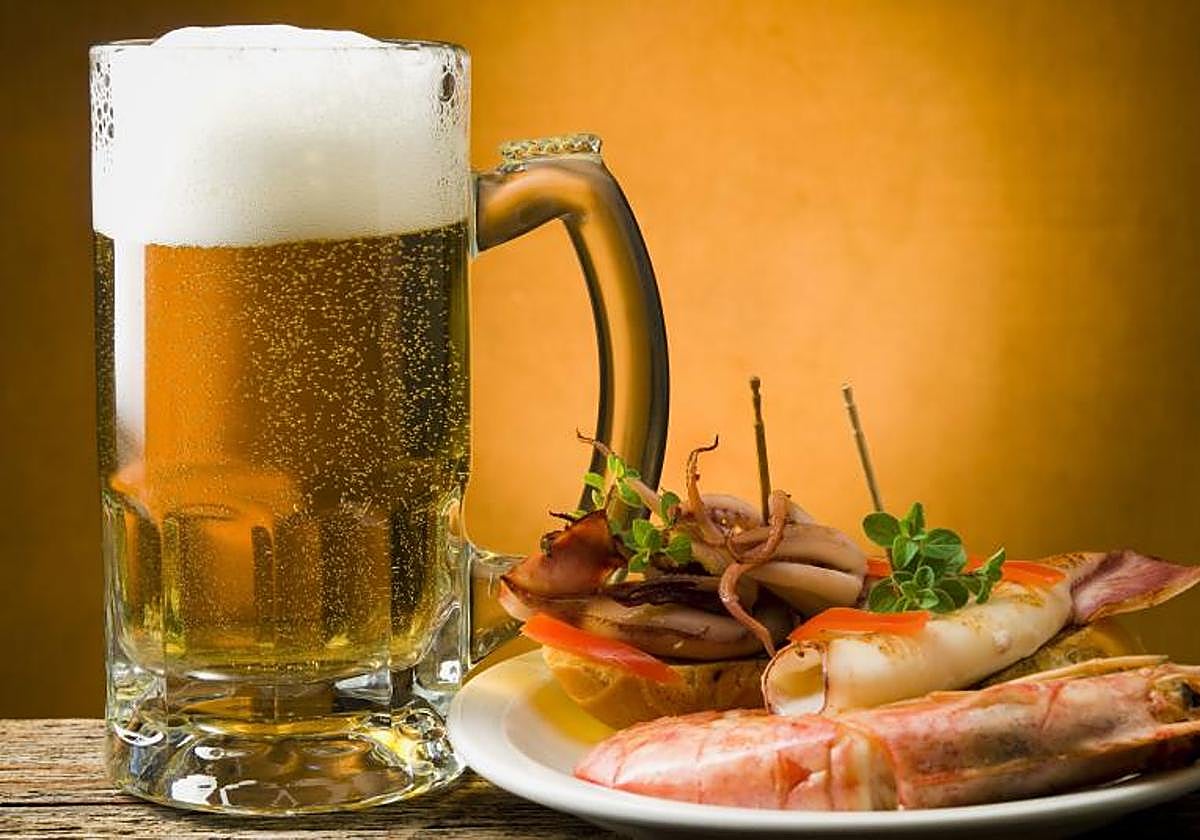
Wine dominates (red, white, regional identity), but the consumption of aperitifs, virtually unknown in the UK, is deeply rooted. In Spain beer has been taking over from wine slowly and is currently more popular. In common with almost every other European nation, wine is dropping behind and vineyards are being uprooted. Regional drinks: sherry, vermouth, etc hold their own.
Italy shows the same tendency as Spain, oddly enough following Greece's pattern. Germany is as faithful to its beer culture as Britain is, but more enthusiastically and with greater public participation. (Are there any British beer festivals?) Switzerland and Austria love their wine but have not let it shoulder beer out, and they have a fascinating range of regional beers, not having permitted brewing giants to exercise the suffocating controls they do in the UK.
The real beer lover cannot however be genuinely satisfied without 'real ale', now a phrase that conveys a meaning unimaginable 50 years ago, and here the British are well served in comparison to other Europeans. Spain's attempts to establish micro-breweries and the like have failed miserably, even on the Costa del Sol.
![[]](http://static.vocstatic.com/voc26/latest/assets/images/favicon/surinenglish/apple-touch-icon-57x57.png)