
Fat and ugly local tomatoes - lesser-known varieties growing close to the Costa del Sol
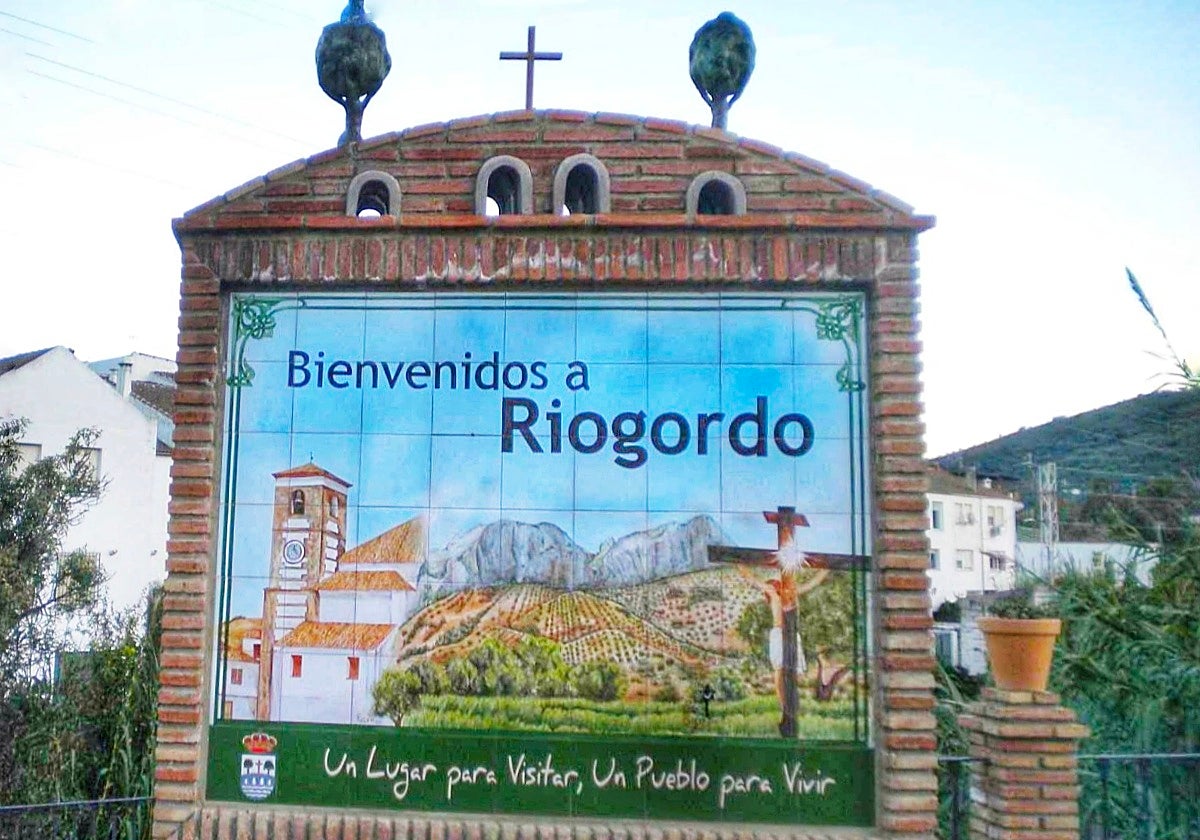
‘Ugly’ is the name given to tomatoes originating from a town named after a river dubbed ‘the fat one', Riogordo, whose feria begins this weekend
Alekk M. Saanders
Axarquia
Over the last decade in August there has been much talk of the traditional Malaga tomato - the ‘huevo de toro’. Literally meaning ‘bull’s ball’’, this tomato got its name to a greater extent, because of its massive, plump and somewhat irregular shape, which visually resembles a bull’s testicle. This variety originates from the Guadalhorce Valley, not far from Malaga.
However the Guadalhorce Valley is also home to another lesser-known variety of tomato. Its name, ‘tomate verde de Coín’, refers to its green colour. The tomato ripens while retaining a greenish colour with orange or yellowish hues. Furthermore, it has a flattened shape and a sweet flavour, making it a highly prized ingredient for salads.
'Caviar of the fields'
In the world of tomatoes, Marbella is known for the ‘tomate Cantoral’ variety, whose name is, strangely enough, linked to… a choir. This traditional variety belongs to the Castilian tomato group. It is very fleshy and ideal for eating fresh.
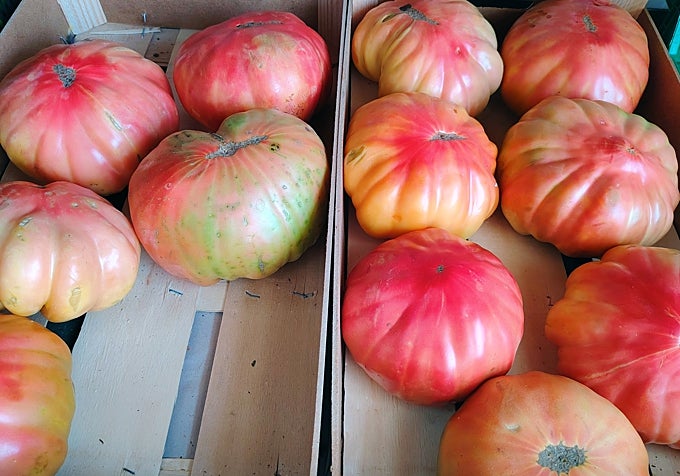
In Ronda some restaurants display huge pink tomatoes with very thin skins and a slightly irregular shape. The ‘La Indiana’ pink tomato is grown in the village of the same name, La Indiana, or more precisely, in historic vegetable gardens of the Serranía de Ronda, which are associated with a particularly fertile plain boasting high-quality soil and water.
Like the ‘Huevo de Toro’, it is exceptionally fleshy, with few seeds, low water content and an extraordinary sweetness and richness of flavour. Unsurprisingly, experts have dubbed this tomato the ‘caviar of the fields’ due to its exceptional qualities.
‘Corazón de Toro’ (also known as ‘Carnicero de Alozaina’) is another local ecotype, originating from the village of Alozaina. It is prized for its large size and fleshy texture
The ‘Heart of the Bull’ can be found in the mountains near Ronda - in the Sierra de las Nieves. ‘Corazón de Toro’ (also known as ‘Carnicero de Alozaina’) is another local ecotype, originating from the village of Alozaina. It is prized for its large size and fleshy texture.
Irregular shape, incredible texture
The Axarquía, the east side of Malaga province, also has its own varieties. The ‘Melillero’ (or ‘Vélez’) tomato is typical of the eastern Costa del Sol Malaga and is ideal for salads thanks to its firm and juicy texture.
Particular attention is drawn to a variety from Riogordo, which is characterised by its irregular shape, thin skin and firm flesh with a pronounced flavour reminiscent of heirloom garden tomatoes.
Due to its unattractive appearance, the tomato has literally been labelled ‘ugly’. The 300-gramme 'Feo de Riogordo' is flattened at both ends and has pronounced ridges. Yet it possesses the sweet, aromatic flavour of heirloom garden tomatoes. As it ripens, its skin takes on a very juicy reddish-pink hue.
On social media, you can find posts by foreigners living in the area in which they share their experiences of growing these ‘ugly’ tomatoes - explaining how to plant and look after them - while, it would seem, many local residents have already forgotten that this variety of tomato even exists.
Apart from the rather unappealing name of the local tomatoes, Riogordo itself is interesting for its own name, which means ‘fat river’.
The river (historically known as Río de la Cueva) has its source in a cave system. As it picks up heavy minerals and sediments from the local caves along the way, its water gains a rather dense appearance.
In the past this river was sometimes called Río de Oro (Golden River) due to its mineral content. As the population grew around the stream, the settlement became known as Puebla de Río Gordo, and in 1552, when it was granted the status of an independent town, the name was shortened to Riogordo.
In August, Riogordo attracts tourists not only with the chance to cool off in the ‘fat river’ and sample salads made from ‘ugly’ tomatoes, but also to enjoy the fair
In August, Riogordo attracts tourists not only with the chance to cool off in the 'fat river' and sample salads made from ‘ugly’ tomatoes, but also to enjoy the fair. The Riogordo Fair (Feria de Riogordo) takes place from 14 to 18 August. It can be considered a smaller version of the fair in Malaga.
This annual summer festival is dedicated to the town’s patron saints - San Jacinto and Nuestra Señora de Gracia - and includes traditional daytime and evening celebrations, live music and cultural events.
This fair also marks the end of the snail season. On the gastronomic map of Malaga province, Riogordo is renowned for its snail dishes (caracoles en caldillo). They are celebrated, first and foremost, during the annual ‘Snail Day’ (Día del Caracol), which takes place on the last Sunday in May; thereafter, snails in broth are generally available to order in local bars and restaurants throughout the snail season, from May to August.
![[]](http://static.vocstatic.com/voc26/latest/assets/images/favicon/surinenglish/apple-touch-icon-57x57.png)