
Education
Malaga University study analyses teachers' emotional skills based on 500 teen students' opinions
Among the findings is that teachers who are more emotionally equipped are better at engaging the students
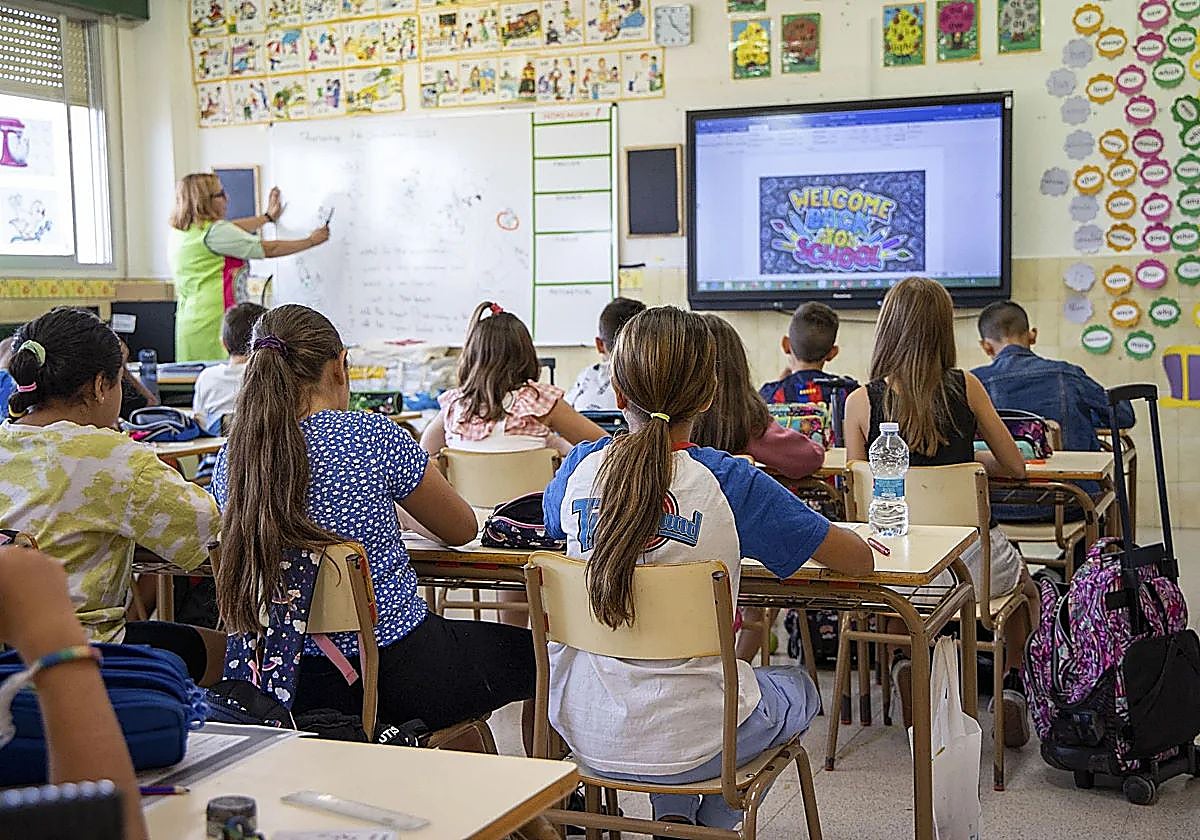

Teachers who demonstrate greater emotional intelligence in the classroom help students engage more with their studies. This is the main conclusion of a study by ... the UMA (Malaga University), based on the opinions of 518 Andalusian pupils between the ages of 12 and 18.
The study analyses the relationship between teachers' emotional skills, the support pupils perceive and their academic commitment.
The study involves four schools with pupils ranging from the first year of Eso (12-year-olds) to the second year of Bachillerato (17-18). The initial data was collected in 2023 and the average age of the participants was 14. Approximately 60 per cent were girls and 40 per cent were boys.
Related story

The study does not analyse teachers' emotional intelligence from their own perspective, but rather through the eyes of their pupils. The researchers are investigating what happens when pupils perceive that their teachers are better at managing emotions in the classroom, responding to their needs and creating a more positive atmosphere.
"Teachers may report having a certain level of emotional intelligence, but what we wanted to know is how that impacts the pupils," researcher Jorge Gómez Hombrados told SUR.
According to him, it is not enough for teachers to possess these skills. What matters is whether they use them in the classroom and whether their pupils can feel that.
The results show that such support from teachers leads to greater academic engagement. When pupils feel supported by their teachers, they tend to be "more engaged, energetic and connected to their schoolwork".
"Teaching teams do not just convey content. They also serve as an emotional anchor within the classroom," Gómez said. The way in which they manage emotions, resolve conflicts or support pupils can influence how students engage with their studies.
The study says that emotionally intelligent behaviour involves being able to recognise what is happening in the classroom, understanding how it affects learning and responding appropriately. This, for example, implies recognising when a pupil is frustrated, managing a conflict without increasing tension or creating an atmosphere in which pupils feel listened to and supported.
Supportive teachers
During adolescence, numerous personal and school-related factors can impact engagement. As teachers play a significant role in pupils' daily lives, their emotionally intelligent behaviour can foster a sense of support.
A teacher who is better at recognising emotions, responds appropriately and handles difficult situations constructively is a more approachable and accessible figure.
To carry out the study, the researchers sent a questionnaire to pupils at the four schools. They asked questions about classroom situations, such as whether the teacher helps others to feel better when they are feeling down, whether they can ask for help when they need it and whether they themselves are able to recognise, manage and regulate their emotions.
Five months later, the team collected data again to check whether those initial perceptions were linked to the students' subsequent academic commitment. They then measured the students' enthusiasm, dedication and engagement with their studies and applied a statistical model to determine whether the emotional intelligence of the teaching staff was linked to greater engagement and whether that link could be explained, in part, by the fact that the students felt more supported by their teachers.
The results confirmed this, but the researchers discovered something they hadn't expected. "We were particularly surprised to find a direct link between teachers' emotional intelligence and students' engagement," Gómez says.
More engaged and connected
The results suggest that teachers perceived by their pupils as being more emotionally skilled foster engagement in the classroom in two ways: directly, by contributing to a more positive emotional climate, and indirectly, by making pupils feel more supported.
The study, which forms part of Jorge Gómez's doctoral thesis, also notes that the students' own emotional intelligence is associated with greater academic engagement. This suggests that both teachers' and pupils' emotional skills can serve as important resources for sustaining engagement with school.
One of the applications of this research would be to strengthen teacher training in emotional skills. In practice, this involves teaching educators to recognise signs of frustration or tension in the classroom, respond appropriately and foster a more supportive and safe classroom environment.
The findings could also be used to design strategies to improve the teacher-pupil relationship, develop emotional education activities and implement interventions in schools facing apathy or low participation.
The study proposes, as future lines of research, to analyse whether teachers' emotional intelligence also helps to develop this skill in their pupils and to examine in greater depth how the school climate influences positive social behaviour.
![[]](http://static.vocstatic.com/voc26/latest/assets/images/favicon/surinenglish/apple-touch-icon-57x57.png)