
Gardening
Are we slowly killing our soil?
Landscaping fabric might look like an easy shortcut, but in Mediterranean gardens, organic mulch is the real secret to thriving plants
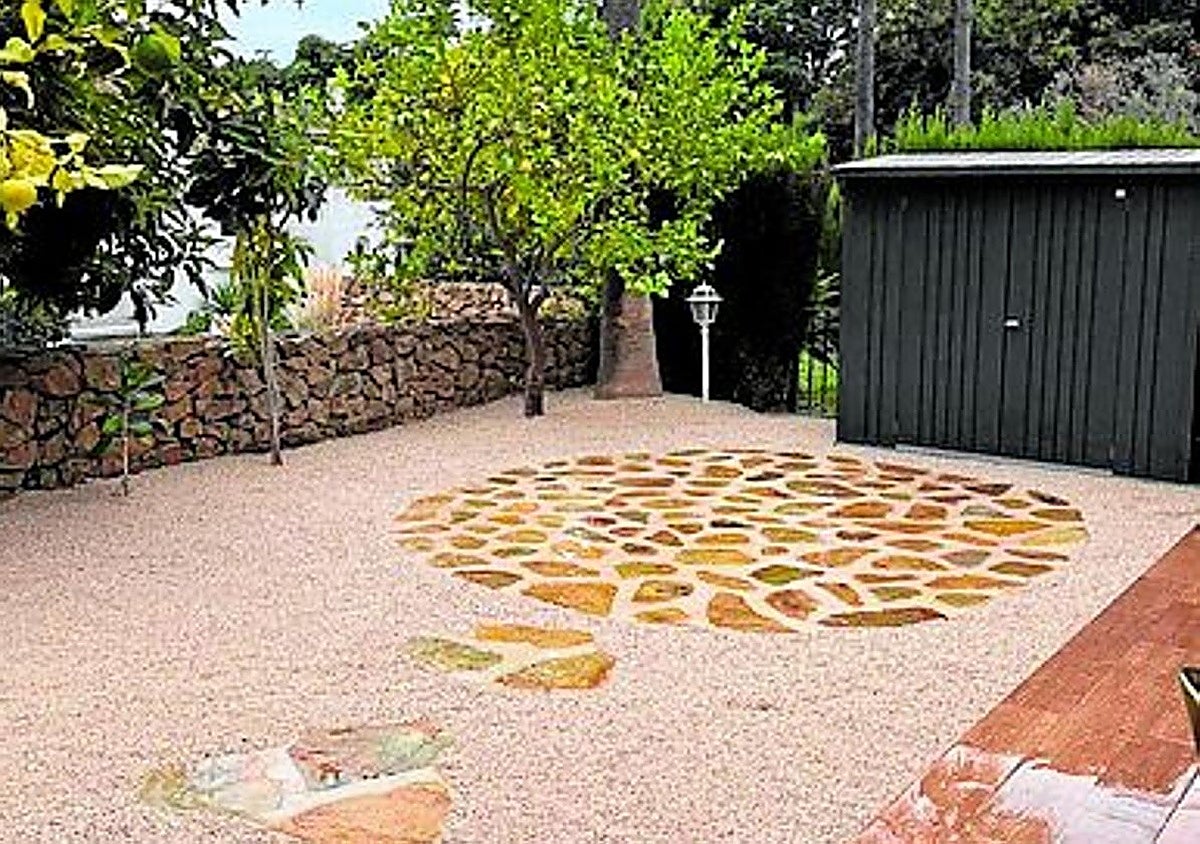
Beatrice Perlac
One of the most widely used materials in modern gardening is weed-control membrane. Its purpose seems simple: to prevent weeds from growing and keep gardens looking tidy with less maintenance. But is it really the best solution?
Although weed membranes can reduce weed growth, they are not completely effective. Birds and wind constantly bring seeds into our gardens, which germinate in the dust and organic matter.
More importantly, we need to consider what happens beneath the surface.
Healthy soil is the foundation of a beautiful, resilient garden. It is a living ecosystem, full of microorganisms and soil fauna that break down organic matter, improve soil structure and make nutrients available to plants. Covering the ground with a membrane can disrupt this natural activity, restricting the exchange of air and water and interfering with the life that keeps soil healthy.
This is particularly relevant on the Costa del Sol, where many gardens have heavy, clay-rich soils which is not a good structure for plants to thrive. During our wet winters, weed membranes can further complicate the movement of water and air through the soil and make drainage worse. In summer, the ground can become extremely hot, placing additional stress on plant roots as clay hardens with heat and difficulties the roots to speed or absorb nutrients.
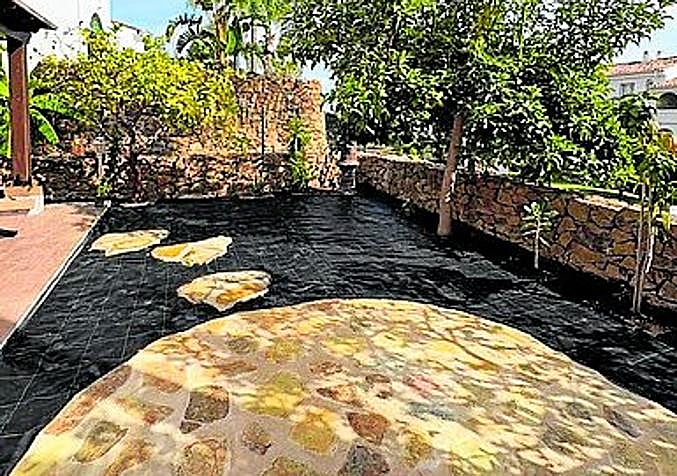
So, what is the alternative?
My recommendation to clients is simple: use natural mulch instead of weed-control membrane.
Mulch is a protective layer of organic material placed over the soil around plants. Depending on the garden's style and requirements, it can consist of bark, wood chips or other suitable organic materials. Unlike synthetic membranes, organic mulch gradually decomposes, enriching the soil and encouraging the organisms that help it thrive. It also helps retain moisture, moderates soil temperature and protects the ground from direct sunlight. As it breaks down, it improves soil structure, making it especially valuable in our clay-rich Mediterranean gardens.
When properly applied, mulch can also reduce weed growth significantly, potentially by up to 60 per cent, without the disadvantages associated with synthetic membranes.
For me, as a designer, it is pointless to design a beautiful garden if with time it will not thrive and reach its total potential.
Gardening in this weather will become much easier if we concentrate on improving the base of our garden, which is the soil. Sometimes the best gardening solution is also the simplest: let the soil breathe, protect it naturally and allow it to live.
