
Nature
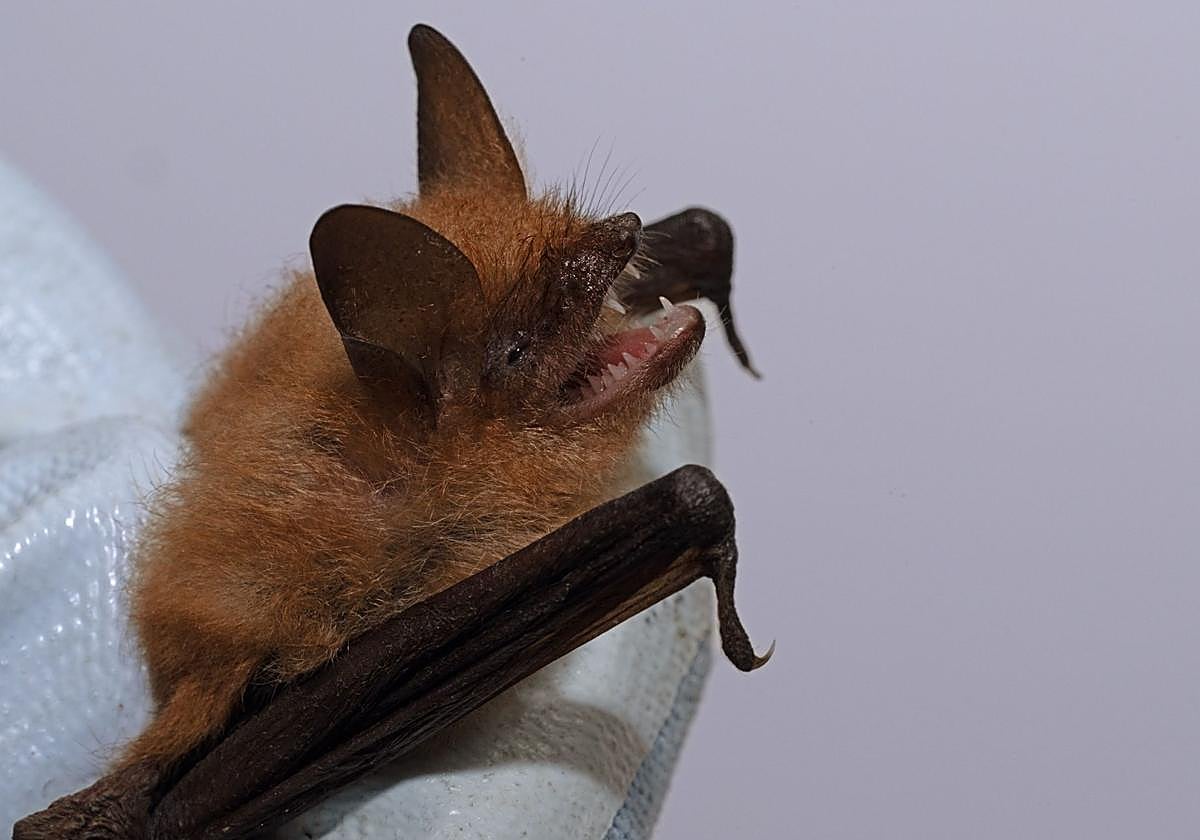
Geoffroy’s bat recorded in Gibraltar for the first time
Discovery of the insect-eating species at the northern end of the Rock marks an important addition to local biodiversity
SUR in English
A bat species never before recorded in Gibraltar has been discovered at the northern end of the Rock, marking an exciting addition to local biodiversity and providing fresh insight into the region's changing wildlife patterns.
The young male animal was identified as a Geoffroy’s bat (Myotis emarginatus), a species known to inhabit nearby mountainous regions across the border but never previously confirmed in Gibraltar. The bat was recovered by the Department for the Environment’s Environmental Protection and Research Unit and transferred to specialists at the Gibraltar National Museum. Following examination and identification, the animal was ringed as part of ongoing monitoring efforts and successfully released that same evening.
Geoffroy’s bats are insectivores that play a vital role in natural pest control by consuming large quantities of moths and other flying insects. Researchers are now keen to establish whether this young individual was merely passing through the area or if the species is expanding its range onto the Rock.
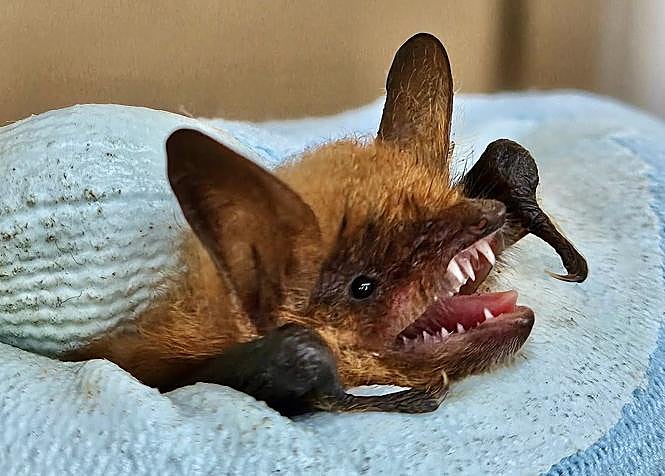
Dr Stewart Finlayson of the Gibraltar National Museum highlighted the significance of the find, noting that while a single record does not confirm an established breeding population, the presence of a young animal gives scientists an important reason to examine the region more closely. He added that further monitoring will help researchers better understand bat movements across the wider Strait of Gibraltar.
Echoing these sentiment, Tyson Lee Holmes of the Gibraltar National Museum emphasised the value of continuous surveillance and the role local residents play in reporting unusual sightings that might otherwise go unnoticed.
The Minister for Environment, the Hon Prof John Cortes, welcomed the discovery, stating that identifying a new species is a testament to Gibraltar’s rich biodiversity despite its small geographic size. He reaffirmed the government's commitment to supporting biodiversity research and maintaining strict protections for local wild species and habitats.
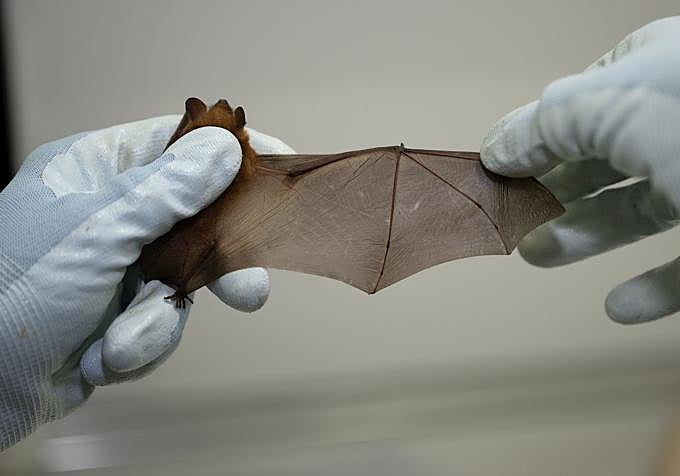
Members of the public who find a bat, particularly one that appears injured, grounded, trapped, or in distress, are advised not to handle or disturb the animal unnecessarily.
Bat sightings or animals in difficulty can be reported directly to the Gibraltar National Museum / Gib-Bats Project on +350 200 74289 or to the Environmental Protection and Research Unit on +350 58009620
![[]](http://static.vocstatic.com/voc26/latest/assets/images/favicon/surinenglish/apple-touch-icon-57x57.png)