
Culture
Outdoor photo exhibition shows the transformation of Almuñécar's Castillo neighbourhood
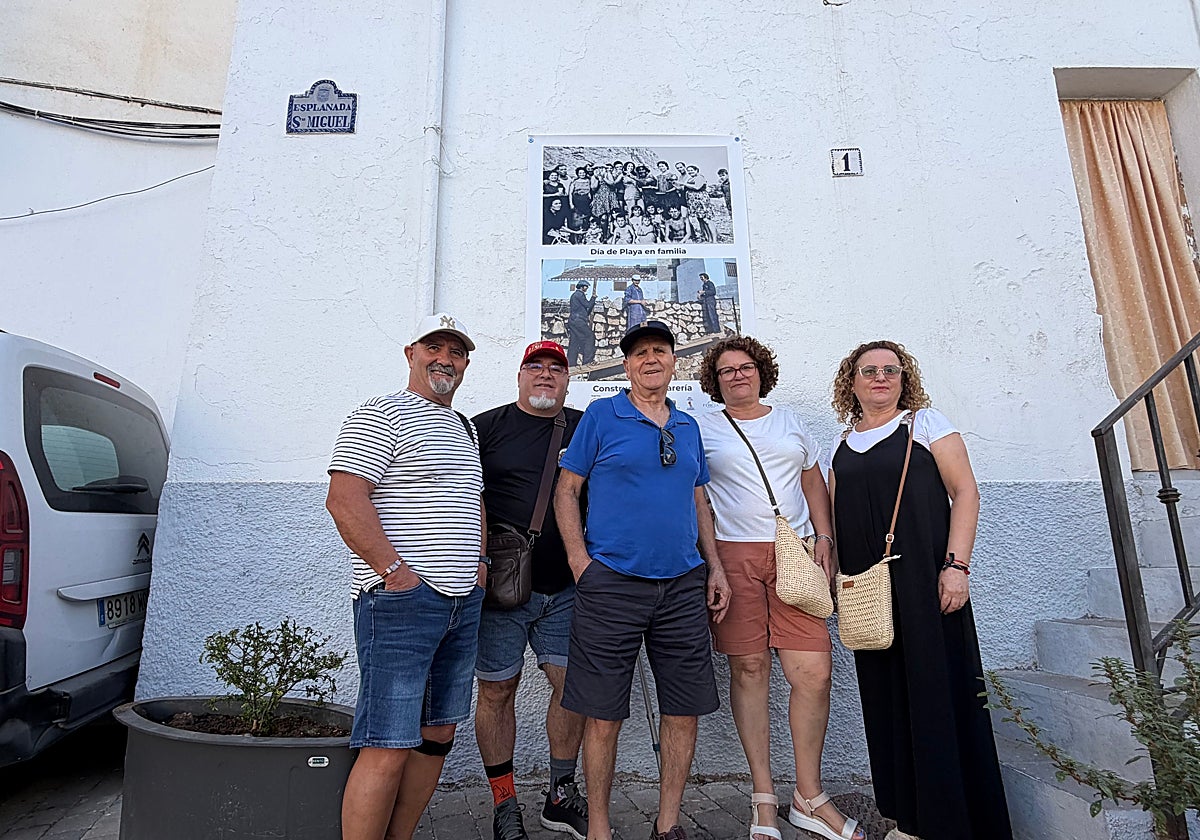
A collection of images hung on the walls brings together images of local residents, trades and everyday scenes, showing how one of the most historic parts of the Costa Tropical town has changed over the decades

MJ Arrebola
Granada
The Castillo neighbourhood of Almuñécar, on Granada province's Costa Tropical, has been turned into an outdoor photo album of days gone by. Thirty ... large canvases have been installed around various corners of the neighbourhood, each of which displays old photographs of its residents and everyday life.
The idea for this photographic exhibition came from a local resident, Manuel Esteban García, known in the neighbourhood by the nickname ‘los media roscas’, and will run until 15 October. The idea came about because Esteban lived abroad for many years and missed the neighbourhood and its people. During his time in Colombia, Manuel saw an exhibition in a neighbourhood featuring photographs of the people who lived there. That gave him the idea to do something similar and he set to work collecting old photos for the Almuñécar exhibition.
The photographs show what the streets used to look like; Calle San Miguel was a dirt track for years, then cobblestones were laid and the street’s appearance changed. Goats also used to wander along the dirt roads. Several local residents recall that some families had four or five goats and would take them out to graze in the surrounding area. Children would walk down the street alongside the goats and those who wanted to buy milk would wait for them to be milked.
Back then, some of the residents recall, the doors were always open. Families looked out for one another, children would come and go as they pleased and life happened on the street. One resident remembers how the little ones would finish their meals and go out to play and when night fell, their mums would call them in from the doorsteps. In those days, there weren’t many toys to keep them entertained either. The children played by the city walls and in any nook and cranny they could find. Marbles, spinning tops and football matches were the main sources of entertainment.
When the cold weather set in, the neighbours would take shelter in their homes. One family recalls how the women would organise themselves to make the brazers. One neighbour would prepare hers and, when she had finished, another would start preparing the one for her home. The women would gather round, and conversations would drift from one doorway to the next. Such conversations would also take place on summer afternoons and evenings on the doorsteps of the houses. With no air-conditioning and houses that retained the day’s heat, as the sun went down, chairs would be brought out onto the street. The women would sit with their fans and the neighbours would stay together until ten, eleven or even twelve o’clock at night.
The album also features the trades of yesteryear. There are pictures of fishermen, bakers, kebab sellers, day labourers and people who supported their families through trades that are now all but extinct in the neighbourhood. Among them is Luis, who used to be the baker at El Castillo. His daughter Magdalena explains how he began delivering bread on a donkey and later on a motorised tricycle. He would ride up into the neighbourhood, call out ‘panaero’ (baker) and call his customers by name.
Neighbourhood regeneration
Another photo shows Palmira, a local resident, dressed in her husband’s trousers and hat and standing next to a bicycle and a dog. She explains herself that it was all a sort of fancy dress outfit she put especially for the photograph.
As well as the images the exhibition tells the story of the neighbourhood’s transformation. Many of those who appear in the photographs no longer live there. Some have passed away and others have moved away. When new social housing was built in other areas, many families left El Castillo to move into more comfortable homes.
The passage of time has also changed the profile of its residents. The steep streets, the lack of shops and the difficulty in accessing some homes have led some of the older residents to move to flats in more accessible areas. The old houses in El Castillo have attracted the interest of new foreign residents, some of whom have bought and restored them.
Even though the people have moved away, houses have changed hands and some of the traditions have disappeared, for those who were born there, their attachment to El Castillo remains alive.
![[]](http://static.vocstatic.com/voc26/latest/assets/images/favicon/surinenglish/apple-touch-icon-57x57.png)