
Environment
Doñana dunes helped contain the first major wildfire of 2026, preliminary analysis finds
Satellite data indicated that most of the affected area at Rincón del Membrillo suffered only light damage

Seville
The active dunes and marshes of Doñana helped contain the first major wildfire of the year, according to preliminary analysis by scientists and regional authorities, ... limiting damage to one of Europe's most ecologically significant protected areas to around 500 hectares.
The fire broke out at Rincón del Membrillo on 24 May and left a provisional footprint of 500 hectares. However, initial findings from the Geographic Information Systems and Remote Sensing Laboratory at the Doñana Biological Station, part of Spain's National Research Council (CSIC), showed that low- and moderate-low-severity damage predominated across the affected area.
The assessment, based on Sentinel-2 satellite data, suggested the fire caused significantly less damage than some of the major wildfires previously recorded in Huelva province.
Quick response
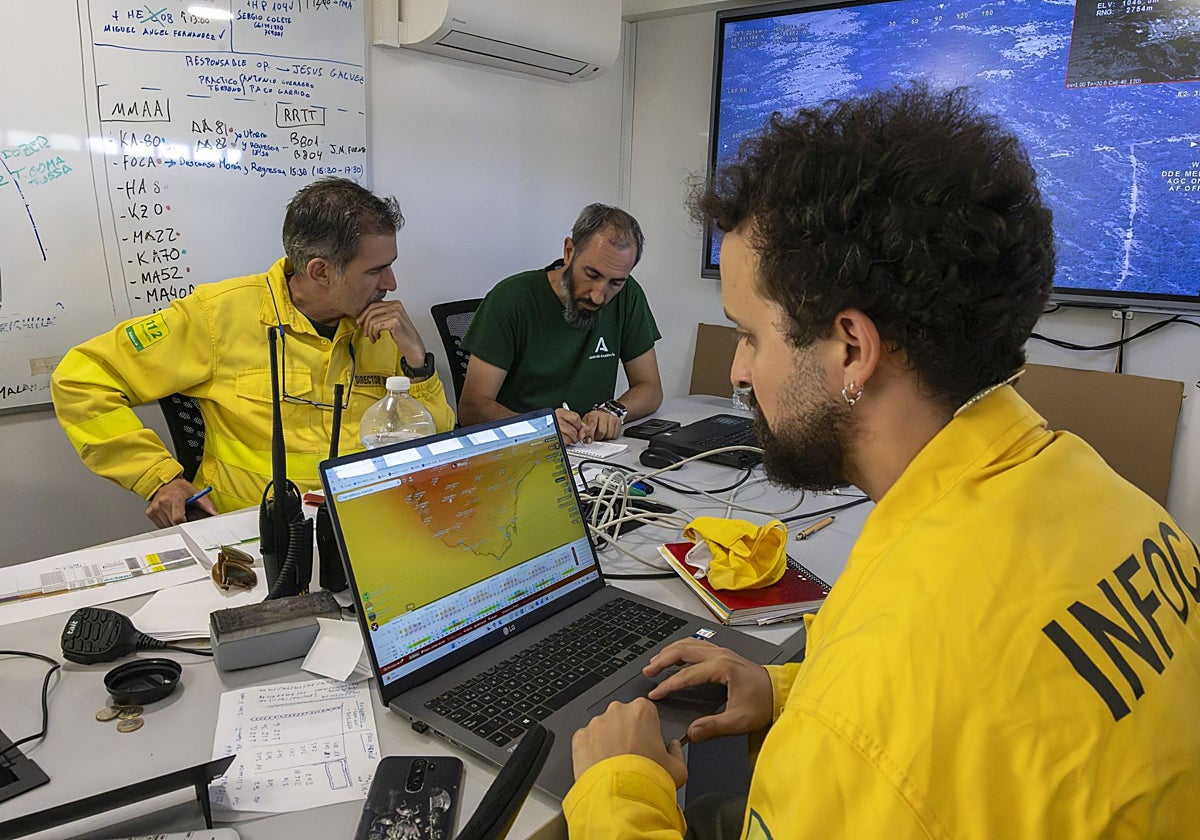
Speaking last week, Andalucía's acting Minister of the Presidency and Emergencies, Antonio Sanz, defended the response of the Infoca wildfire service and said the rapid deployment of resources prevented a more serious incident.
"We mobilised nine aircraft very quickly, and that was crucial in breaking up the fire during its early stages," he said.
"That prevented what could have become a much larger disaster."
Firefighters faced challenging conditions as shifting winds reached speeds of up to 50km/h, around double the initial forecasts. The complex terrain of dunes and marshland also hampered access for heavy machinery.
Natural firebreaks
Sanz also stressed that the overall perimeter affected by the fire was larger than the area actually burned, noting that substantial pockets of vegetation remained untouched within the zone.
Scientists said active dunes and sandy areas with little vegetation acted as natural firebreaks, restricting the lateral spread of the flames.
The marshes, which retained significant surface water following a wet spring, also helped stop the fire from reaching some of Doñana's most sensitive ecosystems.
Most damage was concentrated in the undergrowth, while the canopy of Mediterranean pine forests remained largely intact.
No signs of irreversible damage
The incident occurred during the breeding season for many protected bird species.
The affected area is used by endangered wildlife, including the red kite and the Iberian imperial eagle, while threatened plant species such as the coastal juniper can also be found there.
The Junta de Andalucía said there was currently no indication of irreversible environmental damage.
Technicians believe the pine forest could recover naturally because the bases of most trees escaped severe structural damage.
![[]](http://static.vocstatic.com/voc26/latest/assets/images/favicon/surinenglish/apple-touch-icon-57x57.png)