
Ronda
View Ronda from a new perspective
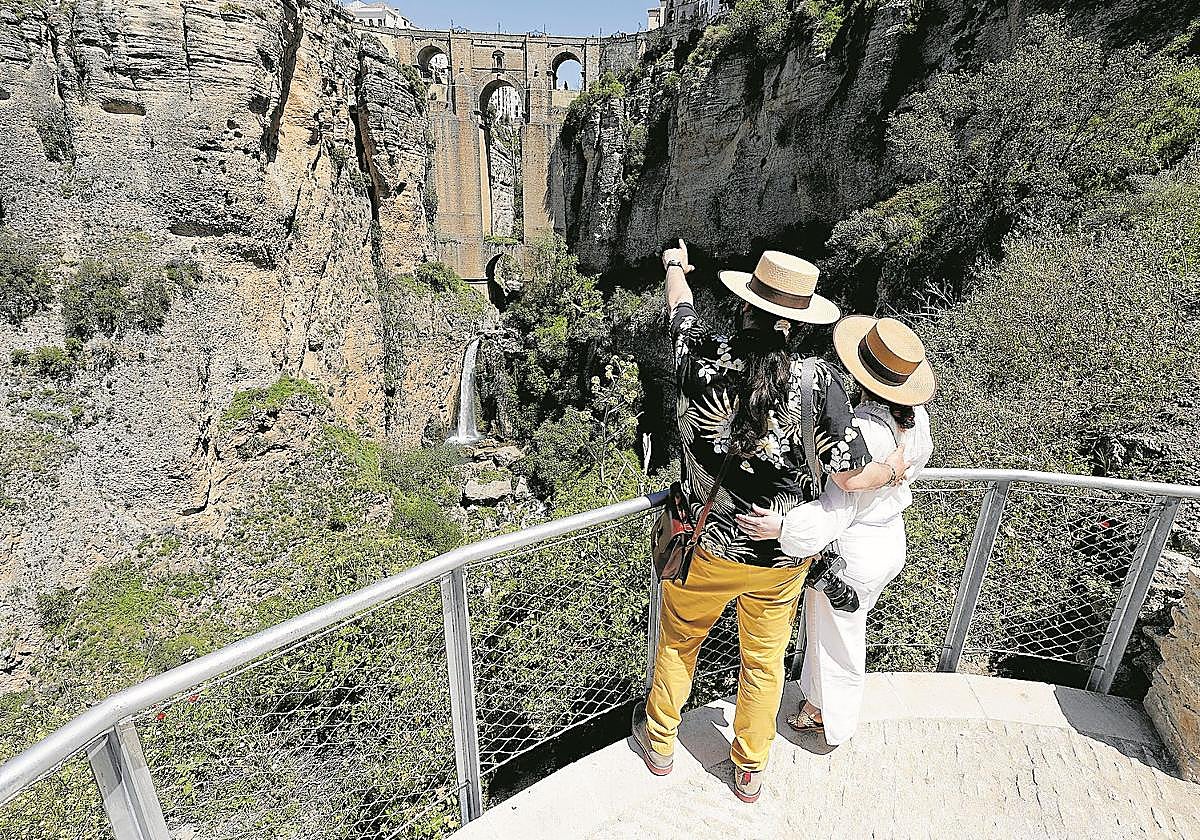
The Camino del Desfiladero del Tajo is a spectacular new walkway that leads from Ronda's historic centre down to the foot of the iconic bridge
Tony Bryant
Ronda has long been a popular destination for international visitors; many of whom come to admire the iconic Puente Nuevo (the ‘new bridge’) and the spectacular views it offers over El Tajo - a 120-metre limestone gorge sculpted by the Guadalevín river. Visitors can now extend this experience by walking the Camino del Desfiladero del Tajo, a spectacular new walkway stretching approximately one kilometre. The breathtaking route leads from Ronda’s historic centre down to the foot of the bridge, winding through the emblematic gorge and passing near the former Ermita de San Miguel and finishing close to the historic Arab baths.
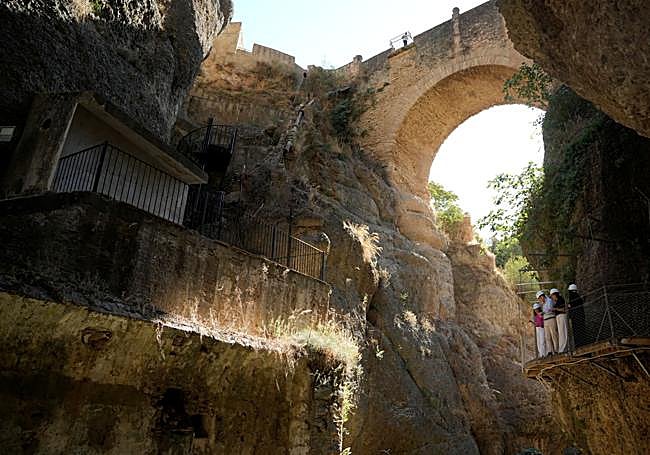
The trail, described by the town hall as “a benchmark tourist attraction”, includes suspended walkways with sections attached directly to the gorge walls, offering dramatic views deep inside the canyon.
Located relatively close to the river, this low-level cliffside walkway is designed to minimise its impact on the protected landscape. The wooden pathway was designed by Malaga architect Luis Machuca, the same architect who created the Caminito del Rey in El Chorro.
Historic features along the way include views of old mills, irrigation channels and hydraulic infrastructure, as well as the historic 14th-century water mine associated with the Casa del Rey Moro. The route then continues beneath the Puente Viejo and towards the old Nazari bridge, highlighting the town’s rich Islamic and medieval history.
The gorge contains varied river vegetation and wildlife; hence the project has incorporated measures intended to protect habitats. The trail is particularly good for spotting birds of prey and cliff-dwelling birds. These include griffon vultures, lesser kestrels, peregrine falcons, Eurasian eagle-owls, red-billed choughs, Alpine swifts and the blue rock thrush. The steep limestone walls provide a perfect nesting and hunting habitat, making the area a must for those interested in ornithology.
The first section of the trail has been open since April 2024, allowing visitors to descend from the old town, through Plaza del Campillo. The latest one-million-euro section, which was inaugurated in September 2026, completes one of the town’s main tourism projects in recent years, combining historical heritage with natural surroundings. The latest section, allows visitors to experience the Tajo gorge from within, rather than simply viewing it from the upper viewpoints.
The project also included the installation of a visitors’ centre (next to the old San Miguel chapel).
This area has attracted visitors since the 19th century, when the town became a popular destination for many Romantic writers like Washington Irving, Richard Ford and Prosper Mérimée.
Unforgiving landscape
The gorge and surrounding mountains have long been associated with legendary highwaymen such as El Tempranillo. This new route reveals the rugged and unforgiving landscape that once provided these notorious figures with a natural refuge. Today, visitors can explore this spectacular landscape without fear of encountering bandits, allowing them to relax and fully appreciate the breathtaking views and tranquillity of one of Spain’s most iconic landscapes.
Accessibility
Visitors do not necessarily need a high level of fitness for this attraction, but there are a couple of important caveats. Visitors should be comfortable walking downhill and over uneven ground, and subsequently walking back uphill on the return to the old town. The route is not wheelchair accessible, and the current access rules also prohibit pushchairs and restrict crutches and other mobility aids.
The general admission price is 12 euros, while residents of Ronda have free access. Reservations can be made on www.desfiladerotajo.com
Another option is to book a two-hour guided walking tour led by a qualified local guide. The route follows the new gorge walkway beneath Puente Nuevo, with spectacular views of the river before continuing along Ronda’s historic city walls towards Puerta de Almocábar.
