
National news 2025 round-up
A year in Spain for losing power and also for clinging onto it
The lights went out suddenly across the whole country in April while the PSOE party and its leader Pedro Sánchez managed to weather political scandal across the months
Neil Hesketh
Malaga
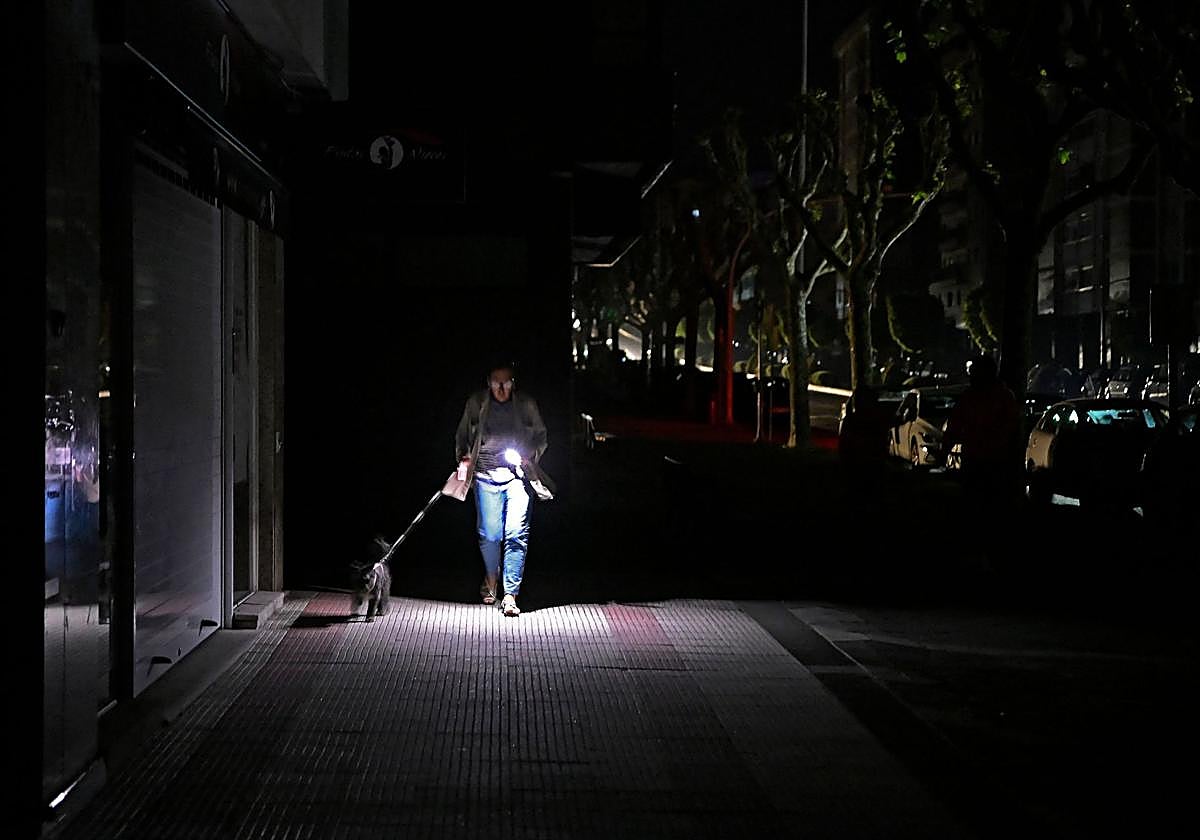
Across Spain, 2025 will be remembered above all as the year of the mega blackout.
On Monday, 28 April, when mobile phones lost signal, home appliances went off and traffic lights stopped working, most people initially assumed it was a local problem and that power would be back on within minutes. They were wrong on both counts. At 12.33pm on a busy weekday, mainland Spain and Portugal were into a complete power outage, leaving around 50 million people without electricity for many hours.
Related story
-
 Jennie Rhodes / Tony Bryant
Remarkably, the public response was largely calm. Emergency calls focused mainly on people trapped in lifts, while by far the worst-affected mode of transport was the rail network, with trains halted nationwide. For many households, it was not until the early hours of the following morning that the familiar hum of fridges and other appliances finally returned.
Sánchez has vowed to see out the full term to 2027 despite wave after wave of alleged corruption scandals
As so often happens, agreement on who was responsible proved elusive. Initial government briefings suggested private power companies were to blame, while the companies responded that long-term planning for supply fell to central government. Subsequent reports, including analysis by independent observers from other, alarmed European countries, seemed to conclude that exceptionally high levels of renewable energy generation on the day, combined with sudden rises and dips in demand, had played a role. Ministers later completed their review and insisted that a repeat of the blackout was "impossible".
Floods
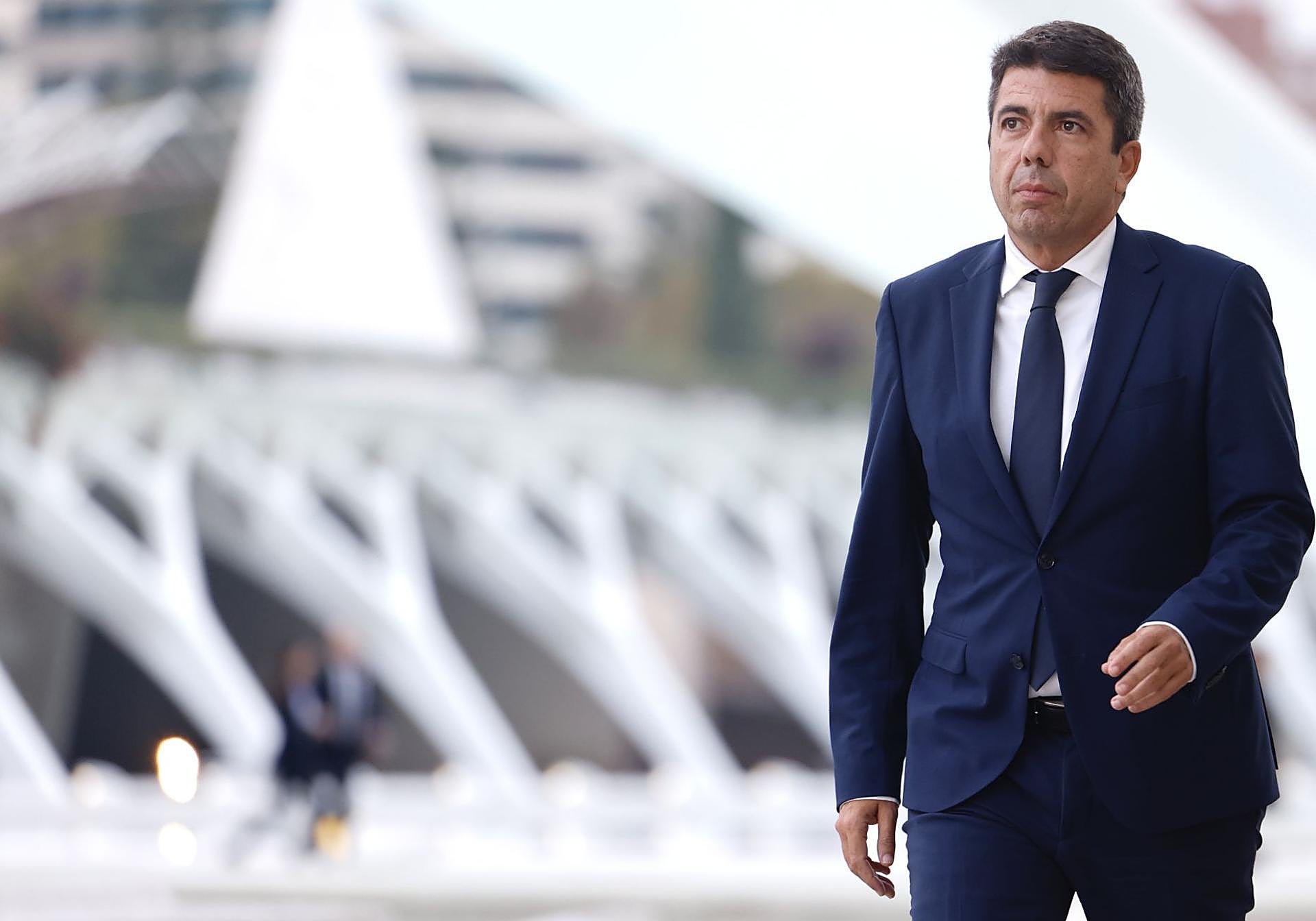
The blame game also continued into 2025 over the deadly Dana floods that hit the Valencia region in October 2024. While rebuilding work has continued throughout the year, much of the political focus fell on the then president of the Valencian regional government, Carlos Mazón. He faced mounting criticism over what opponents and victims' families described as an ineffective civil protection response on the day of the disaster. At a tense memorial service for the 229 victims on the first anniversary this October, attended by the King and Queen, public booing of Mazón intensified pressure, and he finally resigned shortly afterwards.
Forest fires
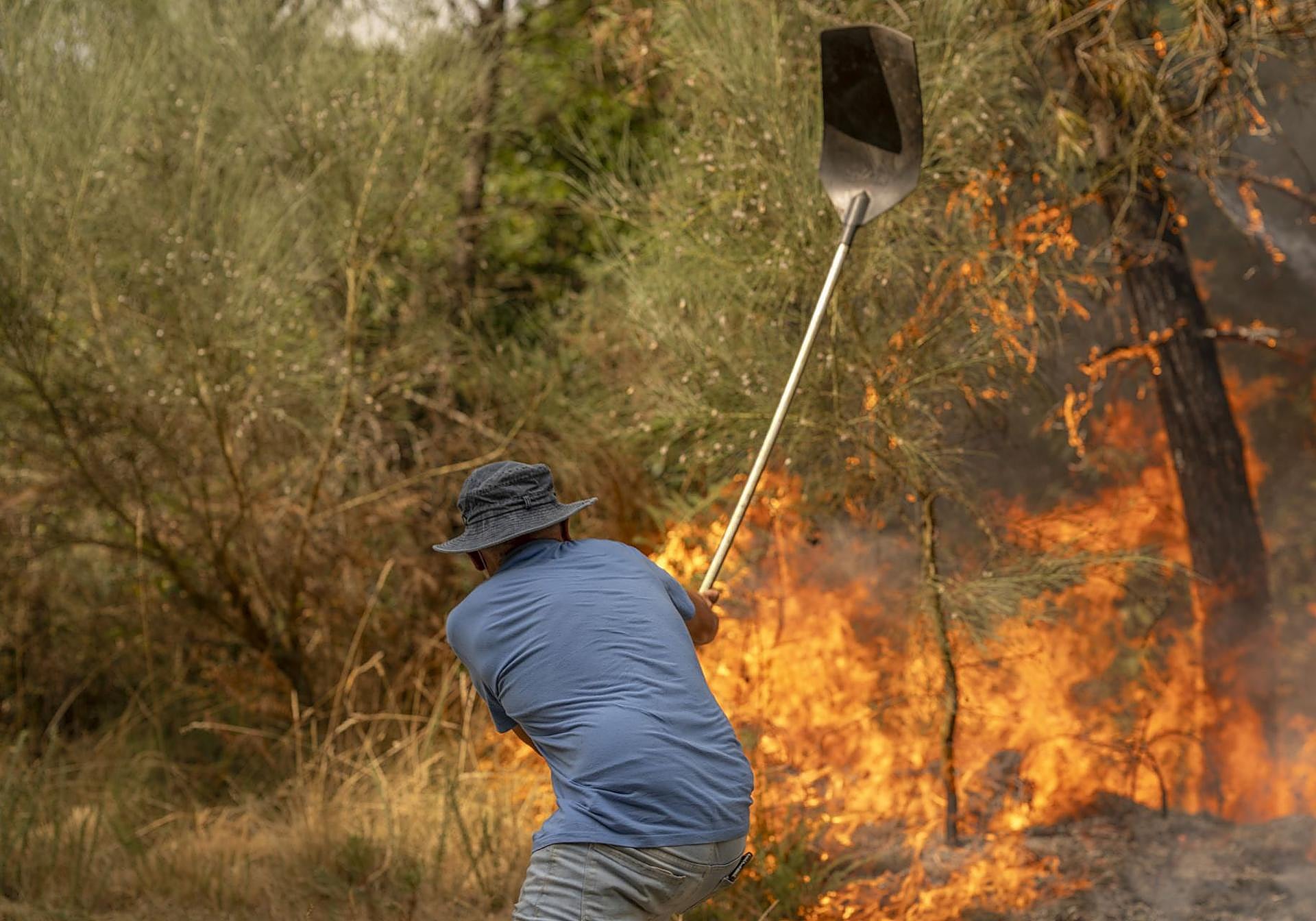
Extreme weather again dominated the headlines in 2025. The summer brought a severe outbreak of forest fires during another record-breaking year. In mid-August, SUR in English reported that the worst-affected areas were in north-western Spain, where several major fires burned simultaneously. One blaze in the León-Zamora area alone was believed to have scorched around 370 square kilometres, and almost 4,000 square kilometres across all fires burned in 2025 in Spain.
According to Spain's weather agency, 2025 was the hottest summer in at least 109 years, with average temperatures between June and August around 2.1C above normal.
Alleged corruption
In Spanish politics, the situation was also particularly hot this year. The country ends 2025 still under the premiership of Pedro Sánchez of the PSOE and his coalition cabinet with Sumar. Sánchez has vowed to see out the full term to 2027 despite wave after wave of alleged corruption scandals affecting his party and members of his close circle. By the end of the year, even Spain's mainstream media struggled to keep pace with the volume of allegations and their complexity.
Sánchez's brother David, and wife, Begoña Gómez, separately remain under judicial investigation over varied misuse-of-public-resources inquiries. David Sánchez is in fact due to be tried next year with others. Meanwhile, two former seconds-in-command in the PSOE, José Luis Ábalos and Santos Cerdán, are deep into overlapping corruption inquiries involving alleged misuse of public funds and have been coming and going from preventive prison over the year.
Other figures linked to the party have been questioned as the year has progressed, and speculation has grown over possible irregularities in party financing as well as links to the left-wing Venezuelan government. But all that remains are accusations or rumours, denied of course, with the only sentence confirmed this year being the fining and banning from public office of the Attorney General, Álvaro García Ortiz, an appointee of the prime minister, for being linked to the leaking of confidential information on a tax inquiry for political purposes.
International scene
Sánchez's government was also ruffling feathers on the international stage, particularly with the United States under President Donald Trump. Spain remained a vocal critic of Israel's military action in Gaza and in May was among the European countries to formally recognise the Palestinian state this year. Spain's public broadcaster RTVE also announced in December it would not take part in or broadcast next year's Eurovision Song Contest in protest at Israel's participation.
On the war in Ukraine, Nato allies urged Spain to raise defence spending to 3% of GDP. Sánchez declined, arguing that Spain was already contributing sufficiently, a stance that drew public rebuke from Washington.
Elsewhere, Sánchez met UK Prime Minister Keir Starmer in September for the first bilateral meeting between Spain and Britain in several years, with a strategic post-Brexit partnership agreement signed.
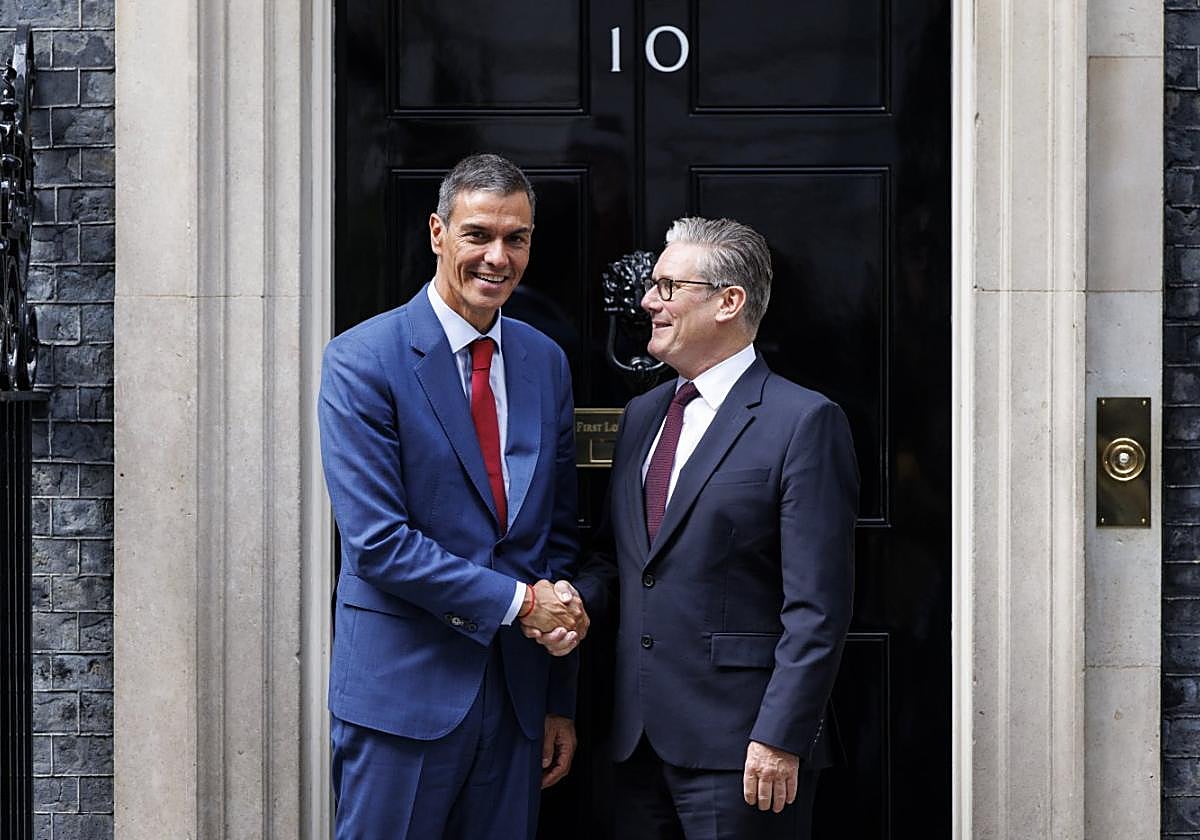
Domestically, Sánchez enters 2026 with a weaker parliamentary grip after losing the guaranteed votes of MPs from the Catalan nationalist party Junts in 2025, leaving key legislation stalled, including annual budgets, due to his minority position. Regional elections - including this December's vote in Extremadura, where the PSOE performed poorly, the conservative PP won but not a majority and hard-right Vox surged - and upcoming contests in 2026 in Aragón and Andalucía will define the uncertain political landscape heading into the 2027 general election year.
Despite the political turbulence, Spain reported strong economic indicators in 2025. Unemployment fell over the year to its lowest level since 2008, the mortgage market was at its most buoyant since 2010, stock markets reached record highs and international tourist numbers looked set to surpass last year's, with close to 100 million visitors. However, not everyone was sharing the prosperity. The lack of affordable housing to rent or buy continued to be a prime concern of Spaniards throughout the year.
On tourism and travel, progress was finally made on the long-awaited EU Entry/Exit System (EES), which is being rolled out at Schengen-area borders towards a full implementation deadline in April next year. British nationals resident in Spain were urged by the UK Ambassador, Alex Ellis, in an interview with SUR in English, to obtain the new plastic TIE card to ease border crossings.
Gibraltar
The future of the border controls between Spain and Gibraltar was the main news to come out of the Rock in 2025. In June it was announced that Britain and the EU, with the involvement of Gibraltar and Spain, had reached a topline agreement to do away with the traditional border crossing.
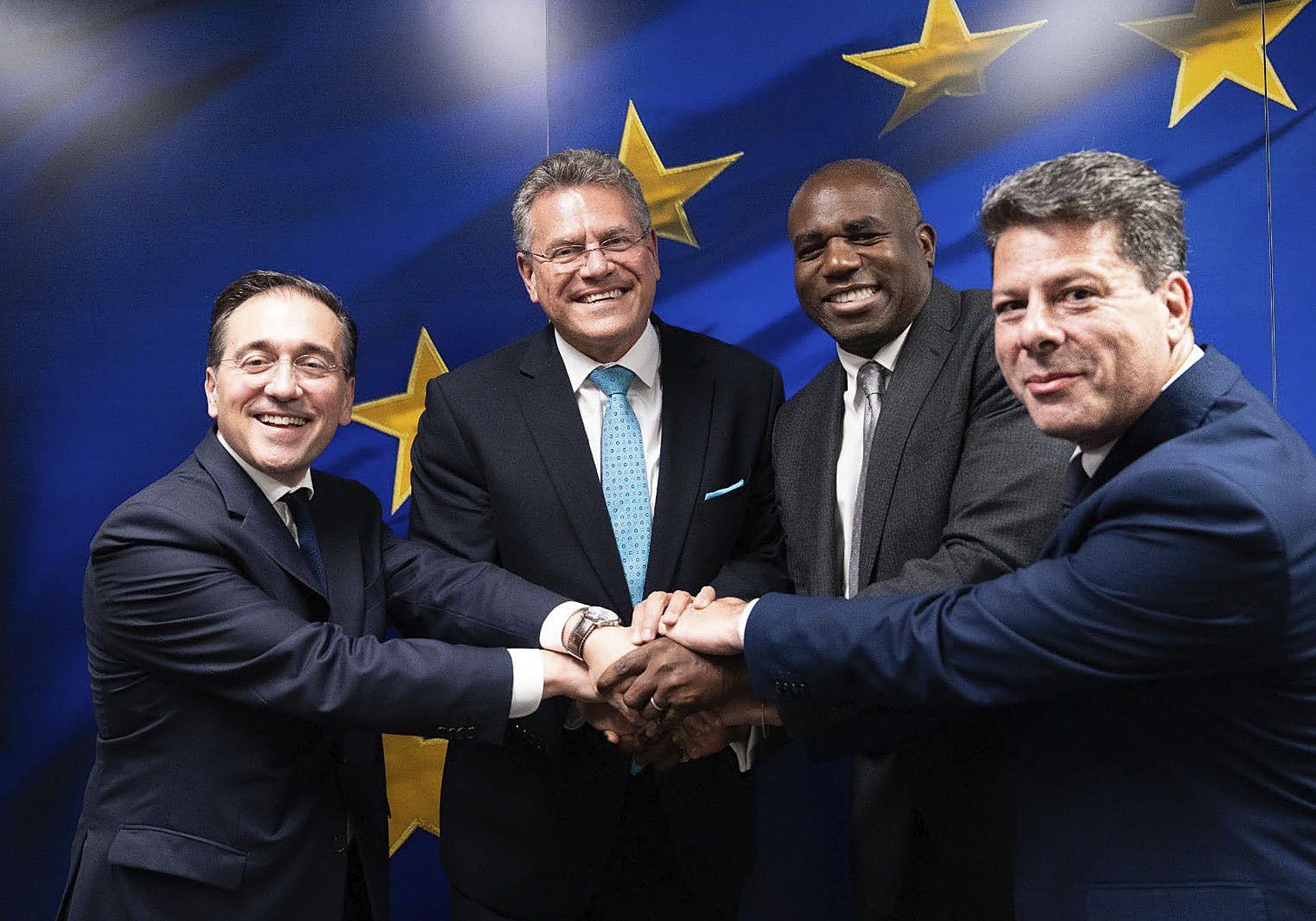
The fear of a hard border had loomed large since Brexit, as Gibraltar is officially outside the common travel and common customs areas now. This would do damage to both the Rock's economy and the area across the border in Spain, where thousands travel every day to work in Gibraltar.
After June's topline agreement, it was announced just before Christmas that the full details had been fleshed out, with ratification of the new Gibraltar Treaty expected early in 2026. Although all information has not been published yet, the border controls are due to move into Gibraltar Airport, where arriving passengers will first pass Gibraltar police before being checked by Spanish police in a specially built new area, allowing people to move freely into and out of Spain over the land border. Chief Minister Fabian Picardo welcomed the outcome as "a very positive" result.
![[]](http://static.vocstatic.com/voc26/latest/assets/images/favicon/surinenglish/apple-touch-icon-57x57.png)