
Traffic
Spain's traffic authorities tighten rules for motorcyclists to reduce accidents
The regulatory changes range from equipment requirements to the promotion of safety courses

Madrid
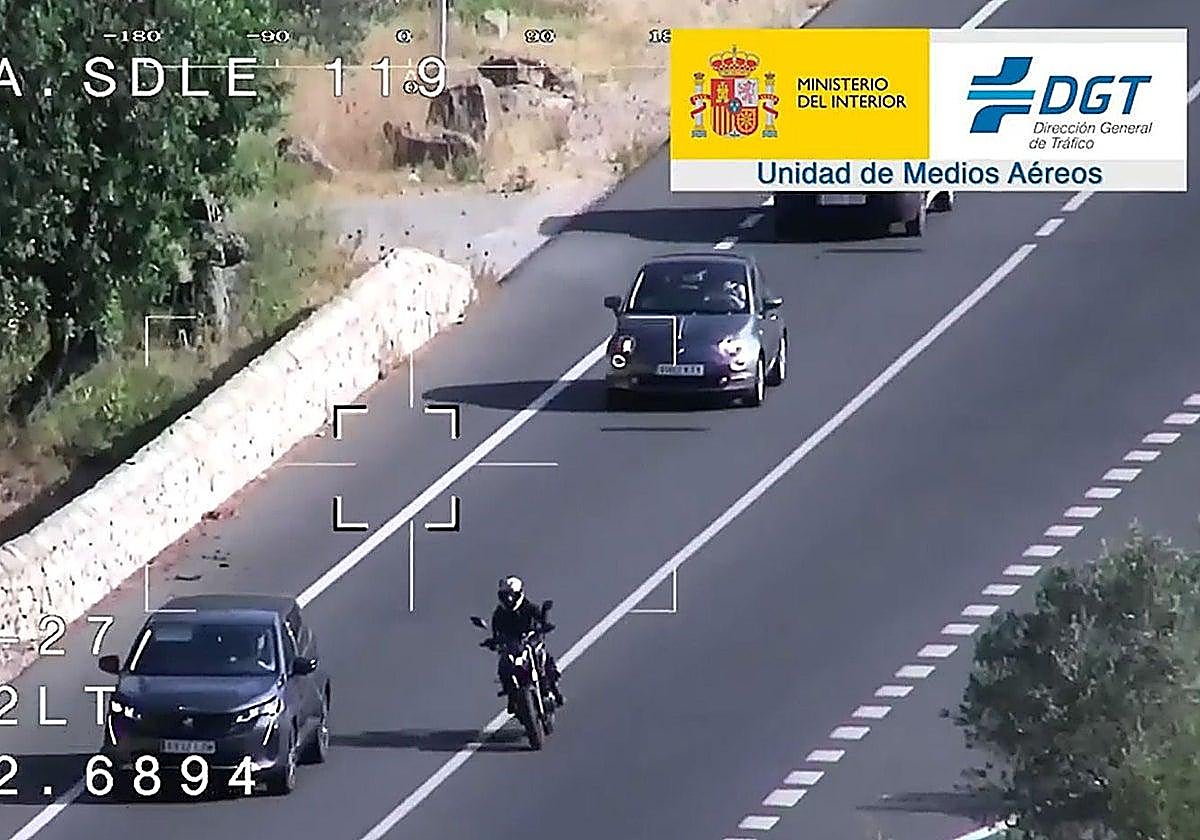
Spain's traffic directorate (DGT) seeks to curb the high number of accidents involving motorcyclists by implementing new regulations.
According to official traffic data, motorcyclists constitute the only user group whose mortality rates have not improved in Spain. A total of 441 deaths were recorded in 2024, which represents 25 per cent of all road deaths, even though motorbikes represent only 12 per cent of vehicles.
Three studies have helped the DGT establish the lines of action: Insia, Applus Idiada and Sigma Dos.
The new general road traffic regulations, to be approved later this year, introduce significant changes to mandatory equipment. The use of gloves and closed footwear for all motorcyclists will be mandatory. In addition, those whose work involves the use of a motorcycle will have to wear a reflective waistcoat.
According to Insia, such clothing and accessories reduce the risk of injuries by 45 per cent and of abrasions by 90 per cent.
Training is the other major backbone of the DGT's strategy. Only 22.6 per cent of motorcyclists have taken additional courses.
To enhance road safety, last year the DGT regulated access to the A licence and started promoting driver assistance systems known as Aras.
In addition, the DGT has started to encourage riders to take additional safety courses that allow them to improve their skills and recover two licence points.
Experts now recommend that training programmes and licencing take into account the type of motorbike alongside the engine capacity.
Motorcyclists under the age of 24 are the group with the highest risk per kilometre travelled. Therefore, training should be enhanced for them.
The studies also focus on scooter users, who represent just over half of the fleet but account for 60.8 per cent of accidents.
At the same time, there are the so-called "reborn" riders, who return to the road after a long pause. They tend to ride sport touring motorbikes and admit to adopting unsafe practices despite recognising the danger.
In general terms, although the perception of risk is high, behaviours such as weaving or speeding persist, which underlines the importance of the helmet, capable of reducing the risk of death by 42 per cent.
![[]](http://static.vocstatic.com/voc26/latest/assets/images/favicon/surinenglish/apple-touch-icon-57x57.png)