
Agriculture
Spain ends mango season with 40,000 tonnes and low profitability at source
The Spanish tropical fruit association is calling for more transparent agreements and warns of rising costs for water, energy and staff
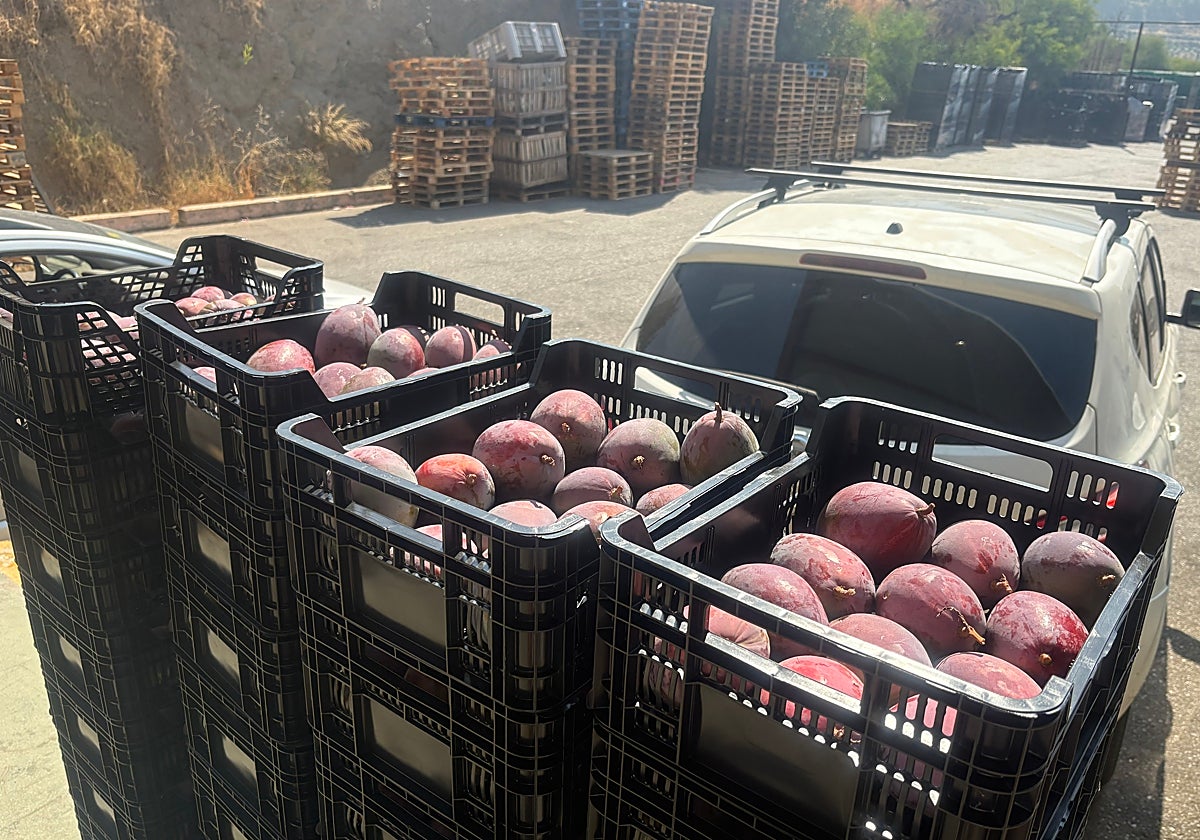

The 2026 Spanish mango season has come to an end with mixed results for farmers in the Axarquía and the Costa Tropical of Granada, the ... country's main producing areas. The harvest finally stood at around 40,000 tonnes, below initial expectations, although the quality is considered exceptional by producers.
However, the main problem once again lies in the profitability of the farms. The AET (Spanish tropical fruit association), which represents around 500 farmers and is based in Vélez-Málaga, warns that rising production costs are not being reflected adequately in the prices growers receive.
The smaller harvest follows a record-breaking 2025 for the sector. According to figures from the Andalusian regional government, Malaga province produced around 60,000 tonnes of mangoes that year, a record for the area. Forecasts for 2026 had pointed to around 40,000 tonnes, roughly a third less. The AET's latest figures for Spain as a whole confirm a harvest close to that level, although the association has not provided a final breakdown by province. The season has brought a smaller supply of fruit, but that has not guaranteed better returns for growers.
The Axarquía remains Spain's leading mango-producing area, accounting for around 90 per cent of national output. The fruit has become one of the symbols of the agricultural transformation that has reshaped Malaga's eastern coastline over recent decades. In towns such as Vélez-Málaga, Benamargosa, Torrox, Algarrobo and Sayalonga, subtropical farming provides an important source of economic activity and employment. The sector's growth owes much to the area's climate, but also depends on access to water and changing market conditions.
Head of the AET José María López has highlighted the qualities that set Spanish-grown mangoes apart, particularly their proximity to European markets, production conditions and the quality they offer consumers. However, he believes growers do not receive a fair share of the value their fruit commands. "Every mango represents a whole year of work, investment and sacrifice," the association says. Its technical team also warns of rising costs for water, fertilisers, energy and labour, as well as uncertainty over the final payments growers receive for their harvest.
Farm-gate prices have also fluctuated considerably during the season. According to the Andalusian regional government's price and market observatory, the Osteen variety, one of the main varieties grown in the Axarquía, fetched around 1.43 euros per kilo at the end of August. By the first week of October, that figure had fallen to 1.11 euros. These are indicative weekly prices and do not necessarily reflect the final amount each farm receives. The AET has not provided an average final payment or an overall estimate of production costs, so it is not possible to calculate the secto's profit margin for the season.
Calls for greater transparency in the supply chain
In response, the AET's president is calling for a change in trading relationships to ensure that the quality of the fruit also brings growers a fair financial return. "We believe it is essential to move towards more balanced trading relationships, with greater transparency and fair profitability for every link in the supply chain," López says. He states that the effort farmers put in throughout the growing season must translate into prices that cover their costs, keep their farms viable and allow them to continue producing high-quality fruit.
One of growers' biggest concerns is the uncertainty surrounding their final payments. The association says farmers shoulder months of risk arising from weather conditions, water use, crop treatments and the cost of hiring workers, without always knowing in good time how much they will eventually receive for the fruit they supply. This has renewed debate over the application of Spain's food supply chain law, which requires prices agreed with primary producers to cover their actual production costs. However, the AET has not cited any specific breaches of the law in its assessment of this season.
The association is keen to stress that its demands are not intended to set farmers against the companies that buy and market their produce. López acknowledges the vital role these businesses play in ensuring mangoes reach domestic and international markets in good condition. "Farmers and marketing companies are part of the same strategic supply chain, and we must work together to ensure a fair return for both sides," López says. The AET therefore wants to strengthen dialogue and establish trading arrangements that distribute the value generated by the fruit more evenly.
The season has also unfolded at a time of wider change for the Axarquía's subtropical farming sector. In recent years, growers have had to contend with a prolonged drought and restrictions on the water available for irrigation. Rainfall in recent months has improved prospects for farms, but the cost of water remains one of their main concerns. They must also remain competitive against fruit from non-EU countries, particularly in the European market, where Spanish mangoes seek to stand out for their freshness, proximity and quality.
The AET believes the future of the crop depends on strengthening its position in the market and ensuring that the added value of Spanish production also benefits the people who work the farms. To achieve this, it is calling for continued cooperation between growers, cooperatives and marketing companies to safeguard an industry that provides jobs and supports the local economy in the Axarquía and Granada's Costa Tropical.
