
Economy
Spanish grocery prices rise at more than double the pace of salaries
A report from the Uso workers' trade union shows that food prices have increased by 45.3% since 2021, while wages have grown by 17.3%
Ana Cantero
The room for manoeuvre for households with the lowest income is narrowing: spending has increased well above wages since the 2008 economic crisis, but especially between 2021 and 2025.
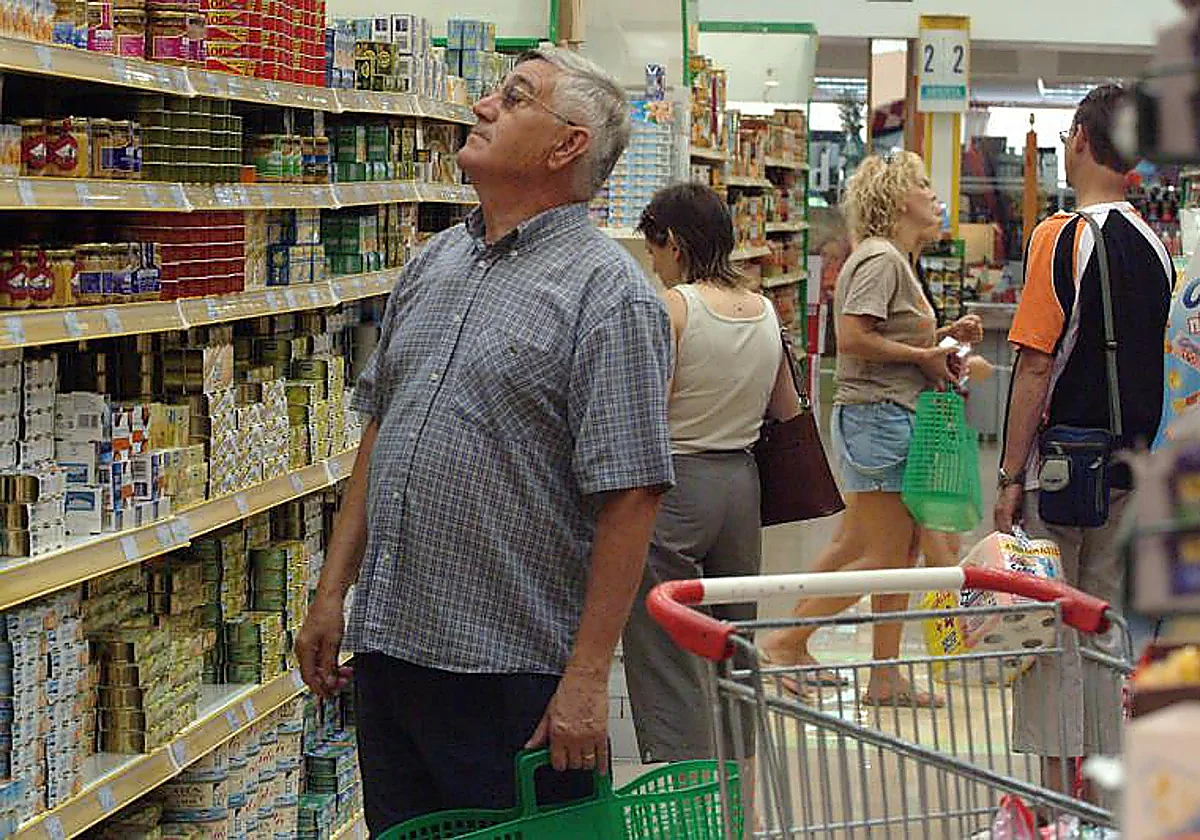
A report by the Uso workers' trade union details the change in prices, salaries and the cost of living in Spain. According to it, the CPI rose by 18.4%, with food prices increasing by 45.3%, compared to a wage increase of only 17.3% in the period between 2021 and 2025.
If the comparison is over a longer period, from 2008 to 2025, the gap remains significant: inflation grew by 37.1%, which represents a loss of purchasing power of 5.5% compared to the increase in monthly wages, which was 31.6%
The price of food rose considerably more sharply, reaching 54.3%. Meanwhile, inflation climbed to 37.1% between 2008 and 2025. Housing and fuel costs, on the other hand, increased by 43.9%. Furthermore, average household spending was 26,510.27 euros in 2024, 18.7% higher than in 2016.
During the presentation of the report, the union stated that the most burdensome expenses today are food, housing and utilities, while clothing, footwear, furniture and household maintenance are less significant.
Related story
"Contrary to what some might believe, those with the lowest incomes have seen the greatest percentage increase in spending. This is because the cost of essential items has risen most sharply," General Secretary of Uso Joaquín Pérez said.
Living alone is not affordable
According to the report, people who live alone are the most vulnerable to the rising cost of living due to unavoidable expenses.
Having dependent children increases this vulnerability. Expenses in single-person households rose by 24.2% in the last decade and by almost 27% in households with children.
"Can't a single person have guaranteed housing and basic services? Do they have to give up leisure, new clothes and upgrading appliances? This is dehumanising society and work," Pérez said.
Housing becomes the biggest strain on personal finances. During the same period, the average price per square metre rose from eight to 14.70 euros, an increase of 83.7%, the report notes. As a result, housing tenure has become a determining factor in poverty and one of the main variables of inequality.
"What's even worse is that they have no hope that their situation will change. Those who didn't enter this crisis with their own home see that possibility slipping further and further away," Pérez said. This "dehumanisation" of work particularly affects young people, in addition to those who live alone.
The study's findings confirm many of the demands that Uso will bring to the streets of Madrid at the May Day demonstration, under the slogan "Humanising employment". The union has "plenty of reasons" to protest and expects some 6,000 people to join the march.
![[]](http://static.vocstatic.com/voc26/latest/assets/images/favicon/surinenglish/apple-touch-icon-57x57.png)