
Spain on track to reach 100 million tourists after recording best-ever July
Despite the stagnation in the Canary Islands and the decline in German visitors, the number of visitors rose by 4.6 per cent over the year, with spending exceeding 82 billion euros
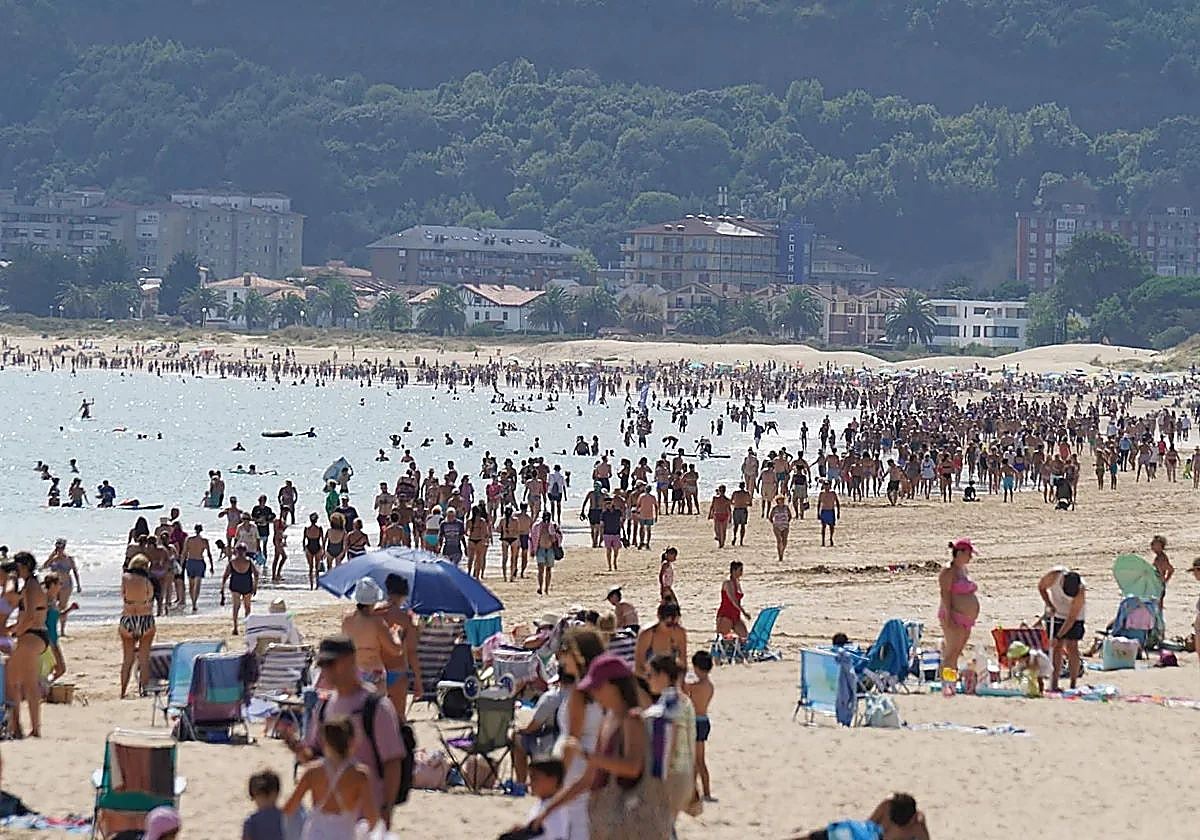

Spain continues to smash its own tourism records as it heads toward 100 million visitors in 2026, despite rising prices across the sector.
A total ... of 58.1 million foreign tourists visited Spain in the first seven months of the year, according to figures from the National Statistics Institute (INE) published on Tuesday. July saw 11.5 million arrivals, up 4.6 per cent from July 2025 and the highest monthly figure in the historical series, surpassing the 11.2 million recorded in August last year.
The figures follow a weaker-than-expected June, when the sector received fewer tourists than in May. July's rebound, however, has eased concerns among hoteliers, travel agencies and airlines over signs of a slowdown, including falling numbers of German visitors and stagnating demand for the Canary Islands.
Rising prices
Rising prices are also shaping the tourist season, with travellers increasingly having to plan their holidays carefully. Accommodation prices in Spain rose by 5.9 per cent year on year in July, while the average price of an occupied hotel room reached a record 156.9 euros.
Foreign tourists spent more than 82 billion euros in Spain during the first seven months, an annual increase of 7.8 per cent. Average spending per visitor in July was 1,579 euros, up 5.9 per cent, while daily spending rose 3.7 per cent to 218 euros. Total spending in July reached 18 billion euros, an 11 per cent increase on the same month last year.
The most common length of stay in July was between four and seven nights, accounting for more than 5.7 million visitors.
UK remains Spain's biggest source market
The UK remained Spain's leading source market, with 11.5 million British tourists visiting during the first seven months of 2026, up 4.6 per cent.
France and Germany were the next two largest markets, with more than 7.2 million French visitors, up 1.2 per cent, and almost 6.9 million Germans, down 0.5 per cent.
German tourists are becoming more cautious about spending in response to the economic slowdown, placing greater emphasis on value for money, planning their trips more carefully and increasingly making last-minute bookings.
"They're comparing options more carefully and paying closer attention to price and service, increasingly booking package holidays and all-inclusive trips," the German Tourism Association (DRV) said.
The Balearic Islands were Spain's most visited autonomous community in July, accounting for 22.3 per cent of all arrivals with more than 2.56 million visitors.
In the first seven months, Catalonia was the most popular destination among foreign tourists with 11.9 million arrivals, followed by the Balearic Islands with almost 9.2 million.
Canary Islands see slight decline
The Canary Islands received nine million foreign tourists in the first seven months, a 0.6 per cent decline. Santiago Sesé, president of the Official Chamber of Commerce, Industry, Services and Navigation of Santa Cruz de Tenerife, said the figures showed that tourism growth was moderating after several years of exceptional results.
"We're not talking about a worrying change in trend, but rather a return to normal levels of activity, although we'll need to monitor developments very closely over the coming months," he said.
"It's possible that factors such as the recovery of other competing destinations or geopolitical uncertainty in certain areas have led to some tourist flows being redirected towards mainland and Mediterranean destinations," he added.
The Canary Islands recorded their first fall in tourist numbers since the pandemic during the second quarter of 2026, although arrivals remained above pre-pandemic levels.
The influence of heatwaves
Heatwaves across Europe may also be influencing travel patterns. The eBooking.com platform said more Europeans were choosing domestic holiday destinations based on weather conditions, which can be a decisive factor when making a booking.
Poor weather in European source markets is increasing demand for Spanish sun and beach destinations, according to the company.
"If it rains in Manchester, demand for travel among people in that area goes up. If it's hot everywhere, bookings slow down," said Toni Raurich, CEO of eBooking.com.
![[]](http://static.vocstatic.com/voc26/latest/assets/images/favicon/surinenglish/apple-touch-icon-57x57.png)