
Housing
Spain sells fewer but more expensive and smaller homes
House prices soared by almost 9% in June, with the price per square metre reaching 2,100 euros for the first time, but sales fell by 4% and the average property size decreased by 2.4%
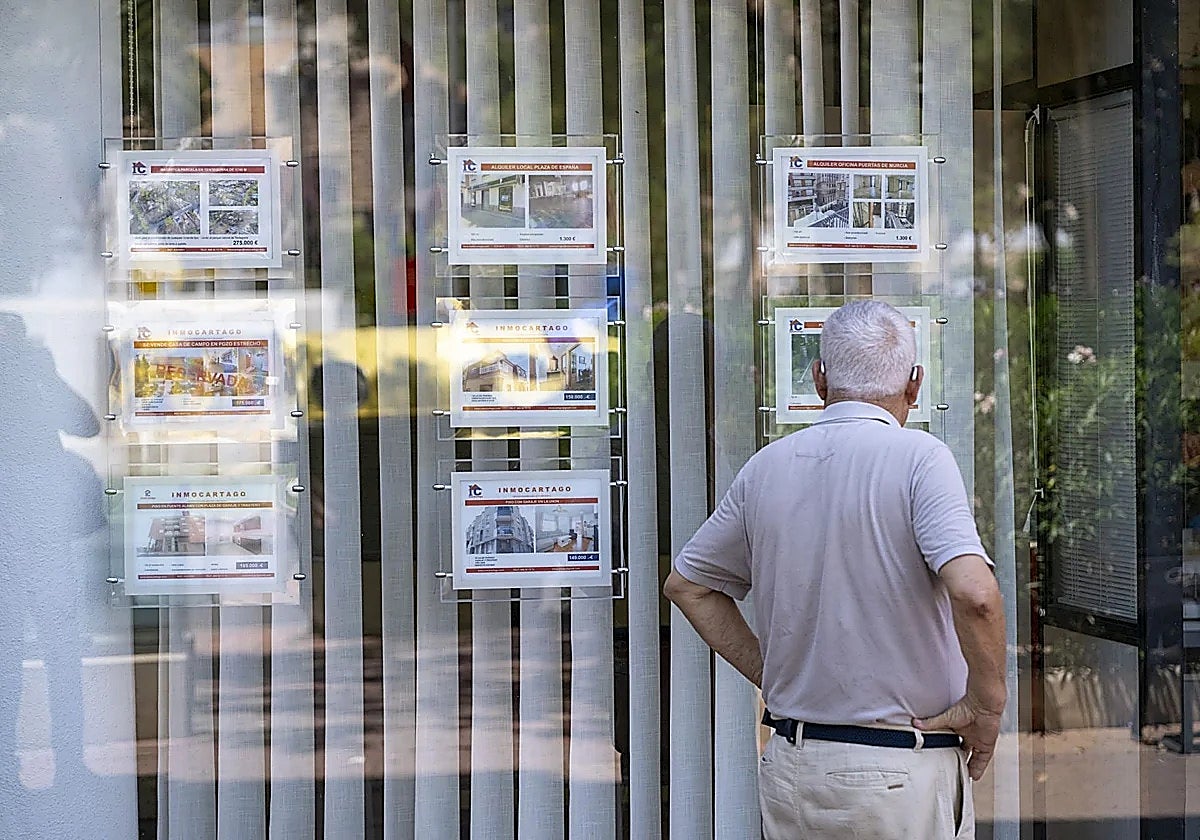

The housing market in Spain has entered a new phase, as it has started selling fewer, smaller and more expensive properties.
Property sales totalled ... 67,529 in June, down 4% compared to June 2025, while the average price per square metre shot up by 8.8% and the average size fell by 2.4%, according to data from the CIEN notarial statistical information centre.
The number of flat sales fell by 5.6% year-on-year, with only 50,458 in June. The opposite was true for detached houses, where transactions rose by 0.8% to 17,071, which was a modest increase given the slump in flat sales.
Related story
-
Cristina Vallejo
The decline in sales was almost universal across all regions. They fell in 13 regions, with the sharpest declines in the Basque Country (-14.2%), La Rioja (-12.5%) and the Balearic Islands (-11.4%), while only four recorded positive results: Navarre (+18.6%), Valencia (+7.9%), Cantabria (+5.4%) and Castilla y León (+4.8%).
At the same time, the average floor area of homes fell in 12 regions. It was particularly marked in Cantabria (-10.2%), Navarre (-6.1%), Madrid (-6%), Castilla-La Mancha (-5.6%) and Andalucía (-3.3%).
By contrast, the average floor area increased in Castilla y León (5.6%), Aragon (4.2%), Asturias (4.1%), the Canary Islands (2.2%) and the Balearic Islands (2.1%).
Prices at record highs
While sales and house sizes are falling, prices are reaching unprecedented highs. The average property price reached 2,114 euros for the first time in June, having risen by 8.8% compared with the same month last year.
Detached houses rose by 2.5% to 1,504 euros per square metre, while that of flats soared by 13.8%, to 2,529 euros.
Property prices rose in 15 of the 17 regions in Spain, with the largest increases in Cantabria (41.6%), Murcia (22.1%) and Valencia (21%). House prices fell only in the Balearic Islands (-2%) and Navarre (-0.4%).
In line with the rising cost of housing, the cost of mortgages has also soared. In June, the average mortgage rose by 7.3% to 188,785 euros, while the number of mortgages increased by just 0.2% to 36,249 transactions. In seven regions, loans for buying a home increased, while the value of new mortgages rose in 15 of the 17 regions.
Mortgages financed more than half of house purchases. In these cases, the loan amount represented, on average, 72.3% of the property price. However, banks granted mortgages not to those on the highest salaries, but to those with the financial means to pay a substantial deposit, even if their salaries were not particularly high.
This is excluding many young people who are well-established in their careers but lack the savings to make the deposit and who must resort, where possible, to financial assistance from family or friends in order to buy a home. For this reason, donations have soared by 13% in the last year, the sharpest rise since records began, according to a report by OBS business school.
The deficit persists
Behind the spiral of rising prices lies market rigidity. Experts put the housing shortfall at 740,000, concentrated in Madrid, Barcelona, Valencia, Alicante and Murcia. The only exceptions are Guipúzcoa, Cáceres and Soria.
The housing problem in Spain stems from the fact that homes are not being built where they are needed, as supply is mostly in areas where there is less demand for housing.
Experts estimate that the shortfall will be rectified in eight years' time at the earliest, but this will require a rate of housing construction of 230,000 homes per year from now on: 128% higher than the figure recorded in 2024, which was the highest in the last decade.
Behind this housing shortfall lie the problems experts have been warning about for months: there is a shortage of land ready for development, difficulties in financing urban development projects due to stagnant investment.
Furthermore, there is a lack of skilled labour and construction costs are rising ever higher. According to the research centre, the cost of building a home has soared by almost 50% compared with 2006.
![[]](http://static.vocstatic.com/voc26/latest/assets/images/favicon/surinenglish/apple-touch-icon-57x57.png)