
Housing
Spanish rents rise twice as fast as inflation hits landlords hard
Contracts can only increase by 2.54% compared to the 4.9% rise in the CPI in September, so landlords will not be able to reflect the real increase in the costs they bear
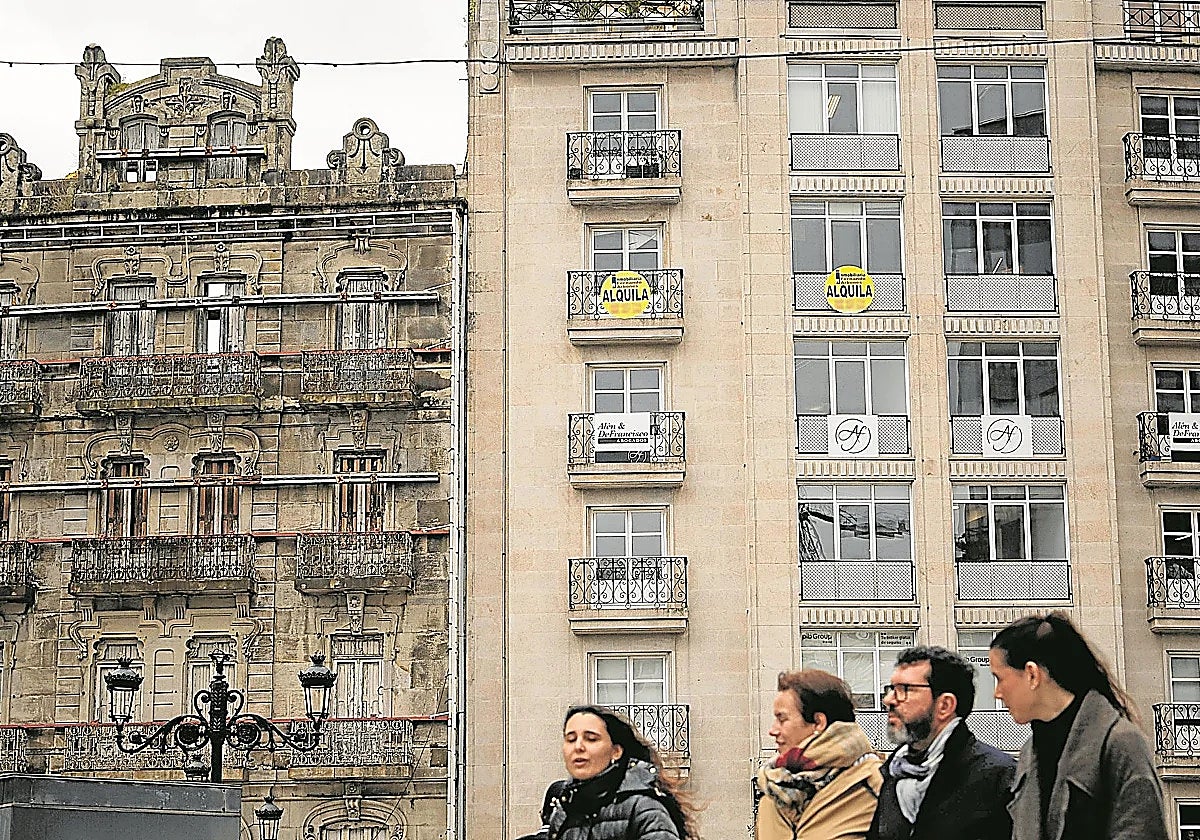

Landlords due to increase rents will have to absorb around half of the rise in inflation. The benchmark index for annual rent increases (Irav) stood ... at 2.54% year on year in September, almost half the 4.9% surge in prices confirmed by the INE (Spain's national statistics institute) on Wednesday. This limits landlords' ability to pass the full increase in the cost of living on to tenants through higher rents.
The Irav was introduced under Spain's housing law and sets the maximum annual rent increase for tenancy agreements signed after the legislation was passed in May 2023. It replaces the CPI as the benchmark and aims to protect tenants during periods of exceptionally high inflation, such as the surge that followed the outbreak of the war in Ukraine, when inflation exceeded 10%.
Although the index is more stable, it reached its highest level since records began in 2025 this September. It has also remained above 2% for 16 consecutive months, with little prospect of falling below that threshold. This is because its calculation takes into account annual inflation, core inflation and the adjusted average rate of change. Inflation has surged amid the conflict in the Middle East and could remain above 4% over the coming months.
"Costs associated with rental properties continue to rise faster than landlords are allowed to increase rents. This is gradually eroding returns for many landlords and, in turn, undermining the rental housing stock, as owners stop investing in maintenance," chief executive of the Spanish rental guarantee asociation Pedro Bretón said.
Although the index offers tenants some relief, the benefit may be short-lived. By limiting annual rent increases, the rules encourage landlords to withdraw properties from the traditional rental market, putting further pressure on a market where demand is at record levels. The result is rising rents: according to Idealista, rental prices were 5.4% higher in September than a year earlier.
"Ultimately, this type of regulation squeezes supply, when what we need is to increase it to make the residential market more accessible," Bretón warned.
![[]](http://static.vocstatic.com/voc26/latest/assets/images/favicon/surinenglish/apple-touch-icon-57x57.png)