
Economy
Spain's 15% rise in fuel prices in July makes this year's summer holiday exodus the most expensive since 2022
This Saturday will see a further increase of around six cents per litre as the tax rebate drops, meaning that filling up a tank now costs 18 euros more than last summer
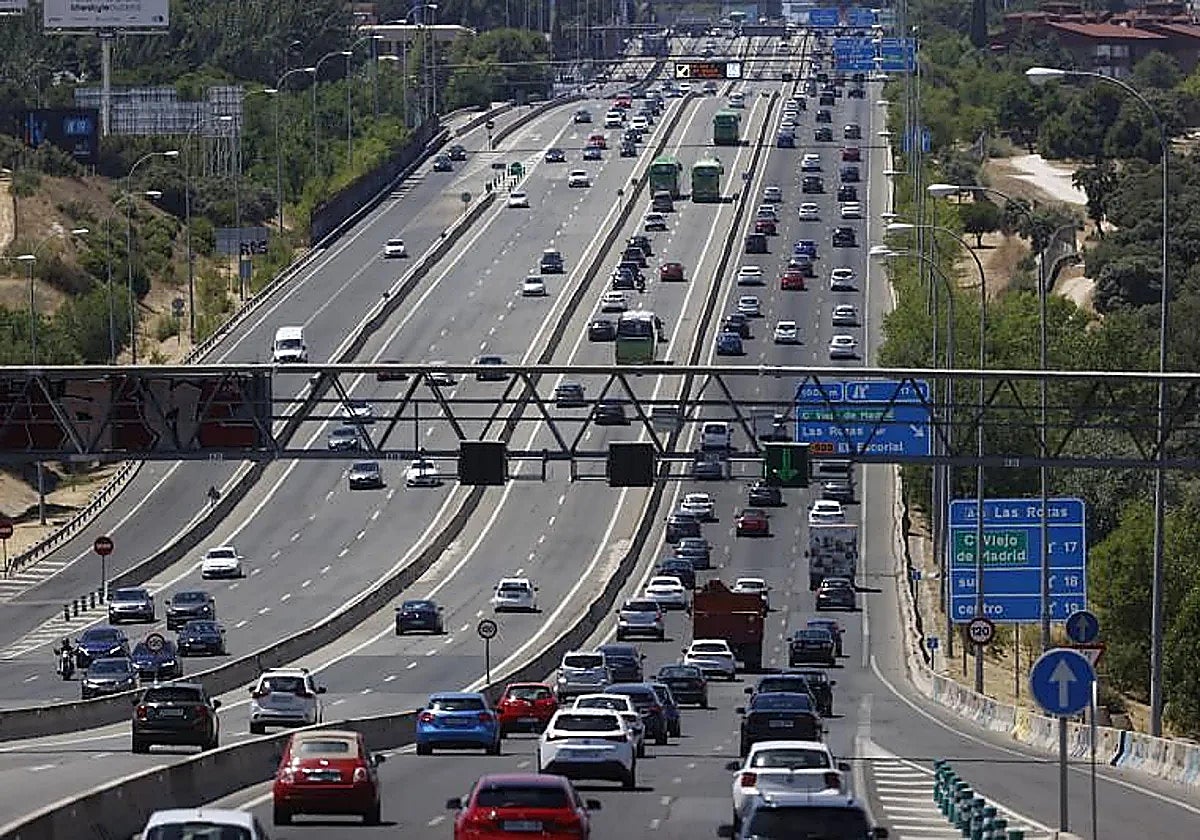

This year's summer holiday exodus in Spain will be the most expensive since 2022, when the war in Ukraine triggered an energy crisis.
The ... armed conflict in the Persian Gulf has led to another surge in fuel prices this year. Diesel is 23% more expensive than last year and 95-octane petrol has risen by 19%.
For consumers, this means paying an extra 18 euros to fill up with diesel (55 litres on average) compared with last summer and eleven euros more if the vehicle runs on petrol.
Prices, far from stabilising, will rise even further this Saturday, when another reduction of the government's tax relief measure further exacerbates this general price surge.
Consequently, the special tax on hydrocarbons (IEH), which reduced the price of a litre of fuel by 15 cents in July, will cease to apply on Saturday, and the reduction will be lowered to ten cents from August onwards.
This will result in a rise in fuel prices of up to six cents per litre, which represents the sum of the five-cent reduction and the corresponding additional IVA.
The other most notable measure in the anti-crisis plan, a reduction in IVA on fuel from 21% to 10%, which brought prices down significantly, was phased out at the start of the month. As a result, it has impacted inflation, which has risen by 0.3% so far in July.
In fact, this reduction had kept fuel prices in check. Since its withdrawal, prices have risen by around 15%. Specifically, the average price per litre of petrol has risen by almost 4% this week compared with last week, reaching 1.644 euros, according to the EU oil bulletin. In the case of diesel, the average price per litre has risen by more than 6% compared with last week, reaching 1.722 euros.
For consumers, this means that a litre of diesel is 22 cents more expensive than on 1 July and is now close to 1.8 euros, bringing the cost of filling up the tank to almost 100 euros.
In the case of 95-octane petrol, the price per litre is approaching 1.7 euros, 14 cents more than on 1 July, and the cost of filling up the tank exceeds 93 euros on average.
Rise in oil prices
This general rise in prices is due to an increase in the price of a barrel of Brent crude, which is currently trading at around 87 dollars, although it reached 100 dollars last week.
The volatility in the price is due to the missile exchanges between the US and Iran, as well as the twists and turns in the negotiations for a peace agreement between the two countries.
Although oil prices have eased off in recent days, falling slightly, Spanish petrol stations are reflecting the so-called "rocket and feather effect": a phenomenon that occurs when fuel prices rise very quickly as the price of oil increases, but takes much longer to fall when oil prices drop.
It is worth noting that the decree the government approved includes a safeguard clause that would allow tax relief to be reinstated if fuel price inflation were to exceed 15 per cent. In June, the most recent period for which data is available, it stood at seven per cent.
The measures under discussion
According the CEEES petrol station operators' association, maintaining the IVA reduction to 10% and the reduction in the IEH during the busiest months of the year would have been "crucial to avoid undermining consumers' purchasing power when travelling on holiday", as well as prevent further inflationary pressures on transport and safeguarding the competitiveness of Spain's tourism sector.
However, organisations such as the OECD and the IMF oppose this type of general aid if it is not targeted at a specific sector or at the most vulnerable, arguing that it distorts energy prices and reduces the public resources needed to reduce debt.
![[]](http://static.vocstatic.com/voc26/latest/assets/images/favicon/surinenglish/apple-touch-icon-57x57.png)