
Environment
Can taking a trip to Spain's Benidorm ever be sustainable?
A concrete-clad tourist megacity on the Spanish coast aims to go green. Can Benidorm become a sustainability beacon? We checked out the cycle paths, accessible beach promenades and clear clean waters
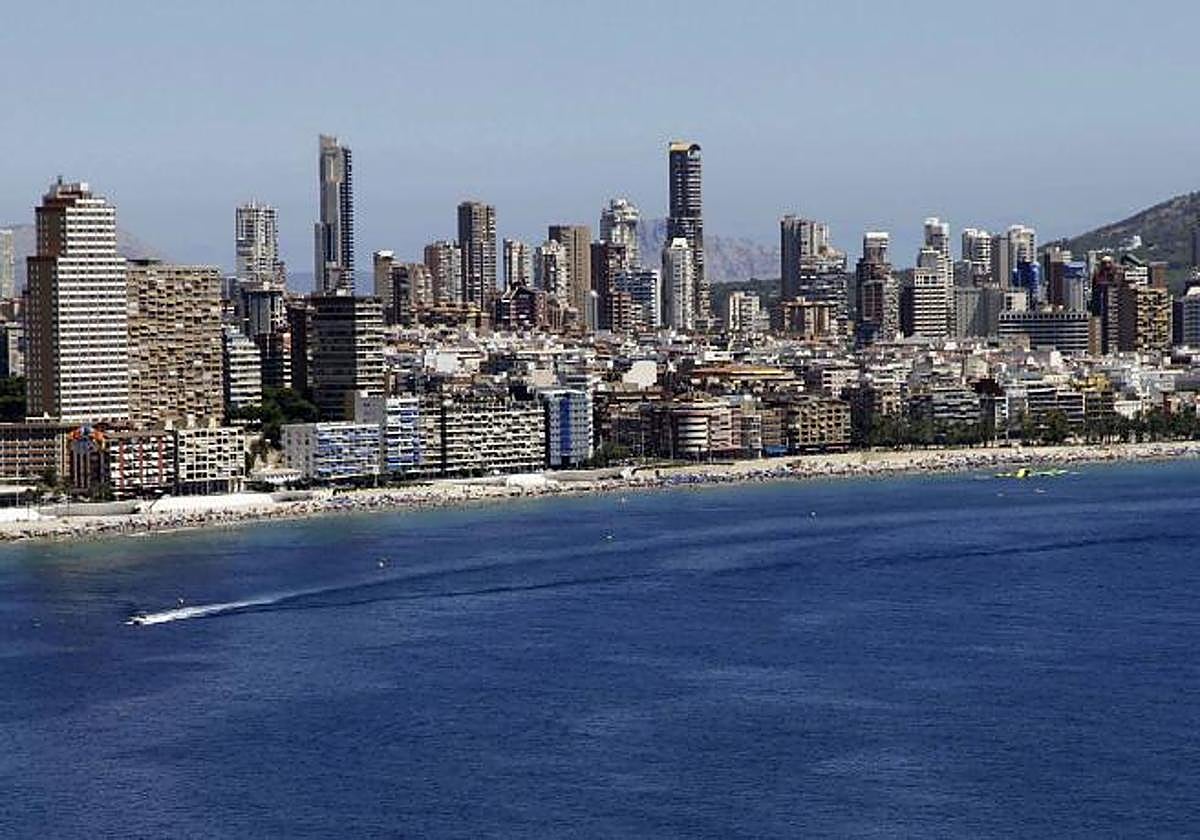
Andreas Drouve / DPA
The sea air is crisp, the water crystal-clear. The nearly six kilometres of beach are immaculate. And bright; Benidorm gets more than 300 days of sunshine per year.
Travellers come here in droves to relax, swim and recharge their batteries. Youngsters embrace the lively nightlife. Older people value the mild winters. Families with children come for the variety.
But much of the region's history is buried beneath the concrete structures constructed for tourists, mainly hotels.
Once a fishing village, Benidorm became a tourist hotspot in the 1960s, drawing wealthy and poorer visitors alike.
“Architecturally, the focus was on the vertical model,” says Antonio Sánchez of the tourist office.
High-rises sprang up and still dominate the skyline today, earning the area the nickname "Manhattan on the Mediterranean".
So you may be surprised to hear that it is marketing itself as a "sustainable tourism destination". It has even won the "European Green Pioneer for Smart Tourism" by the European Commission.
Now you may be asking yourself what is green and sustainable about this bustling, high-rise party capital with more than 80,000 guest beds and 15.7 million overnight stays per year?
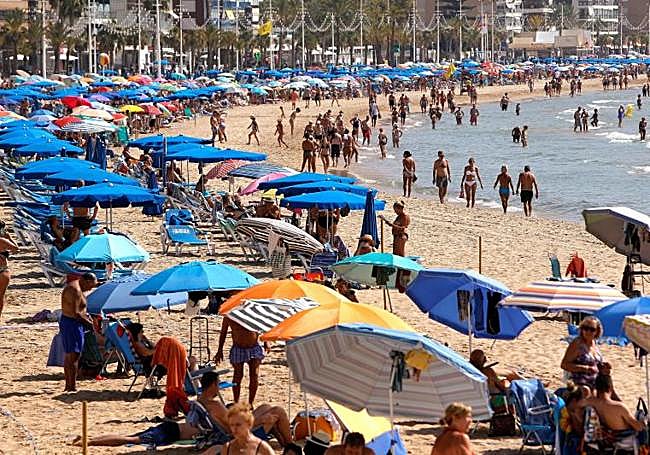
Much is changing behind these concrete tower blocks - and in front, starting with cycling.
The area's bike path network has been extended to 134 kilometres, and non-local traffic has been banned from the expanded city centre.
Access is now restricted to residents or those with special permits. “These areas are now known as low-emission zones,” says Jorge Ferrándiz Roche from the hotel and tourism association. He has already noticed the significantly lower noise levels in the town centre. He has also embraced cycling as the way to get to work.
The area is also making use of the sunshine that draw so many to the coastal spot. “Many people ask about photovoltaics, but that’s nothing new for us,” says Ferrándiz, a Benidorm native. There have been large solar panels mounted on hotel roofs since the turn of the millennium.
So Benidorm was already pioneering the use of natural resources long before sustainability became fashionable. “Soon, two new residential high-rises will feature vertical solar panels,” says Sánchez, looking to the future.
Smart buoys and treated water
Water is a major issue for Benidorm as the population swells from 75,000 to six times that number every summer. But insiders know progress is being made with non-potable water - meaning not for human consumption.
“We now use 36 per cent of this treated water for irrigation in agriculture and gardens, as well as for street cleaning,” says Nuria Pastor Roca from the water authority. That is above the Spanish national average. And Benidorm's next goal is to reach the 50 per cent mark, says Pastor.
Another initiative unnoticed by visitors is in the sea itself. About one kilometre off the two main beaches, Ponent and Llevant, two “smart buoys” are at work, says Víctor Mateu Romero, who heads the city's Smart Destination Benidorm project.
“The buoys are equipped with sensors that continuously monitor water quality. In the event of pollution, we can react immediately,” Romero says. Even in the high season, when the beaches are packed, the water quality has been good so far.
More visible: beach accessibility
One thing that is evident to visitors is that the promenades are flat so wheelchair users can move around with ease. The lighting has also been upgraded to environmentally friendly LED lights.
With the European Green Pioneer for Smart Tourism monument, in the central Plaza Triangular, Benidorm is basking in the progress made. Palm trees, hibiscus, oleander and pines all bring a refreshing touch of nature to the town, though there is no room for new parks or tree planting. “Our terrain is small and limited,” Sánchez says.
Nor is Benidorm mulling a ban on environmentally harmful activities such as party boats, parasailing and jet-ski hire. “The environmental impact of these activities is minimal,” says Sánchez, steering the conversation away from the topic. “We don’t have any cruise ships here, after all.”
Likewise, there are no plans to halt the dolphin shows offered in an amusement park. Benidorm is eager to ensure international holiday-makers keep coming, mainly from Britain, Scandinavia, Central Europe and Spain itself.
All keep coming, for the clear air, deep blue water and long beaches. Some enjoy the magnificent rooftop bars, ideal for gazing out over the sea and towards the mountainous hinterland.
So even as it pursues a range of sustainability initiatives, ultimately, Benidorm is still Benidorm - a coastal hotspot loved by all who come here.
![[]](http://static.vocstatic.com/voc26/latest/assets/images/favicon/surinenglish/apple-touch-icon-57x57.png)