
Business
EU proposes new business model to close competitive gap with the US
The European Commission wants to redefine the legal framework to make it possible to set up a start-up company in just 48 hours
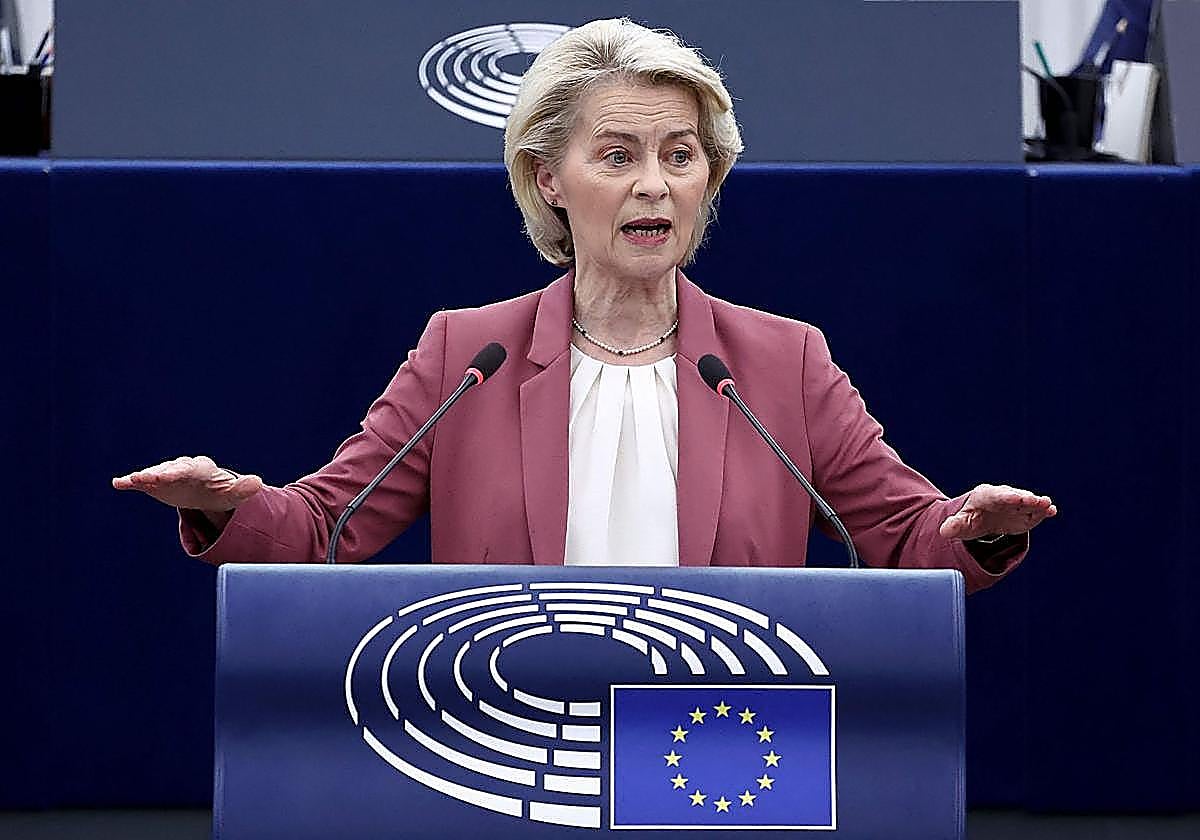

The European Commission has proposed a new business framework that would allow EU member states to set up start-up companies in just 48 hours, through a completely digital process and at a maximum cost of 100 euros.
The main objective is to narrow the competition gap between Europe and the US. With this, the EU identifies one of the major problems that the EU is facing.
This new framework aims to offer common and simpler rules, reducing fragmentation and the administrative burden by between 328 and 440 million euros over a period of ten years. The regulation also includes complementary measures on financing, taxation and digitisation.
"We know that internal barriers are holding us back. We need more integration and to deepen the single market. This regulation focuses on the problems that businesses face on a daily basis," Commissioner for Democracy, Justice, the Rule of Law and Consumer Protection Michael McGrath has stated.
The proposal includes a single, harmonised legal framework for the whole EU. It eliminates face-to-face procedures, improves access to European capital and offers facilities to attract talent with cross-border remote working opportunities and improvements in labour transport.
It also seeks to facilitate the use of tools such as the European business portfolio, establish an automatic exchange of data between institutions and eliminate language barriers with translation through artificial intelligence (AI).
In terms of taxation, fragmentation is one of the main obstacles for European companies (due to different rules on deductions, tax base, etc.). Brussels wants SMEs (small- and medium-sized enterprises) to be taxed according to the tax rules of the country where their headquarters are located.
This means that a company based in Spain and operating in several countries will only be taxed according to the Spanish system, which will serve to reduce administrative costs and facilitate international scaling.
Taxation is a sensitive issue, as European countries do not want to lose their sovereignty as a result. With this proposal, the idea is for the EU to make taxation simpler and more conducive to business growth.
![[]](http://static.vocstatic.com/voc26/latest/assets/images/favicon/surinenglish/apple-touch-icon-57x57.png)