
The Bottom Line
Coming together to heal
Rare diseases like Epidermolysis bullosa (butterfly skin) often fall into the shadows of pharmaceutical research because the "market" is too small. This is where the expat spirit shines brightest
Dilip Kuner
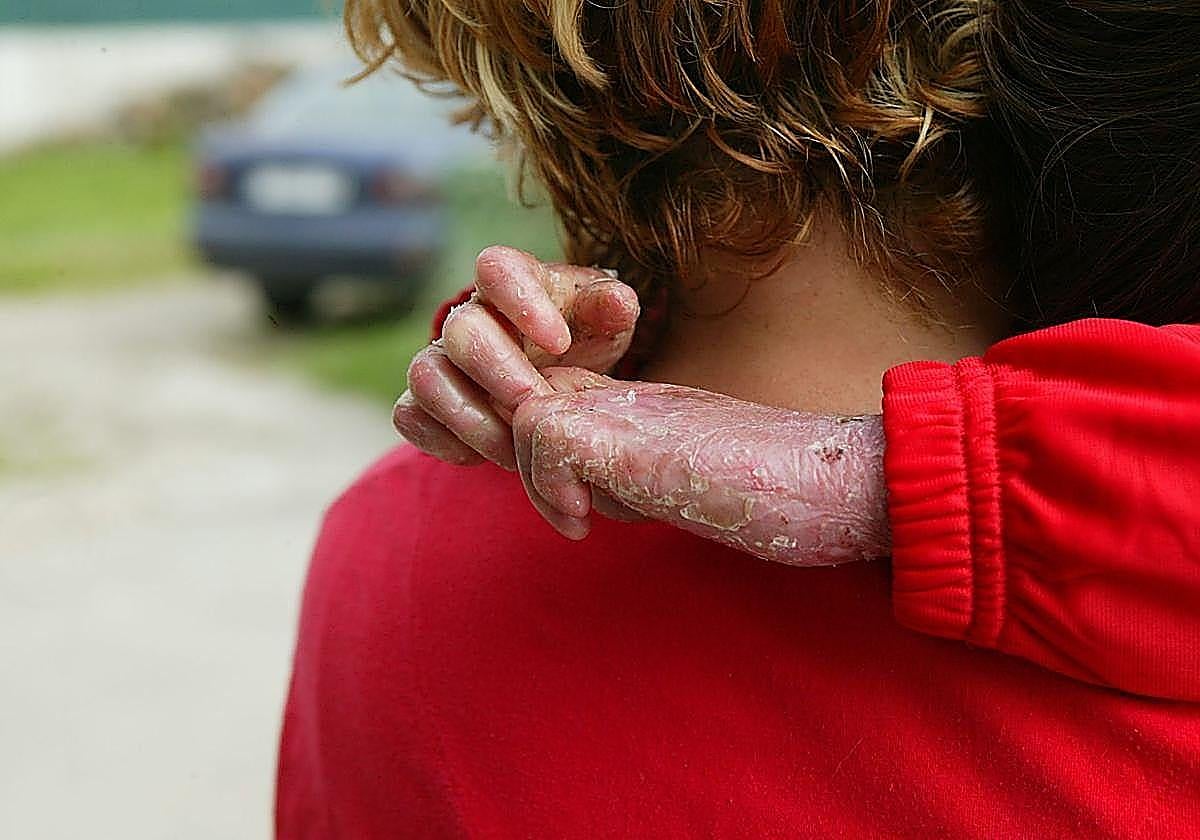
For 22 years, Virginia Cortés has lived with a fear most of us cannot fathom. For 22 years, the simple act of hugging her son, Adrián, was a calculated risk. To touch him was to potentially tear him; to hold him was to witness the emergence of lesions that refused to stay closed.
This is the reality of Epidermolysis Bullosa (EB), a condition so poetic in name - "Butterfly Skin" - yet so barbaric in reality. But today, a new chapter is being written in Malaga. Adrián Soto has become a pioneer: the first in the province to receive Vyjuvek, a groundbreaking gene therapy that doesn't just mask symptoms but addresses the very genetic "glue" his body lacks.
While headlines rightfully celebrate the scientific "miracle" and the advocacy of a mother who never gave up, there is a silent, foundational force behind this victory that deserves our deepest gratitude: the extraordinary bond between the Spanish community and the international expat population.
In towns and cities from Marbella to Alicante, Madrid to Valencia, a unique ecosystem of charity has flourished. For decades, the English-speaking community and European expats have made DEBRA (The Butterfly Children's Charity) their own. They didn't just donate; they integrated.
Walk through the streets of Marbella, San Pedro Alcántara and Malaga, and you will find DEBRA's charity shops - vibrant hubs where British retirees, German entrepreneurs and their Spanish neighbours work side-by-side. These aren't just retail spaces; they are the lifeblood of a movement. Every "pre-loved" book sold and every gala held at a local hotel has been a brick in the road that led Adrián to the Costa del Sol Hospital for the revolutionary treatment.
Rare diseases like EB often fall into the shadows of pharmaceutical research because the "market" is too small. This is where the expat spirit shines brightest. Through relentless fundraising - golf tournaments, coffee mornings, and sponsored walks along the Mediterranean - DEBRA Spain has funded the specialised nursing required for the excruciating two-hour daily bandage changes that keep patients like Adrián alive.
Integration is often measured by language, but the fight against EB suggests a more profound metric: shared suffering and shared triumph. When the Andalusian government agreed to fund this drug, it wasn't just a win for a Spanish family; it was a victory for the British volunteer sorting clothes to sell and the expat business owner donating profits to a cause they only discovered after moving to Malaga.
Adrián's journey from a neonatal unit in 2004 to a university lecture hall today - studying for a double degree despite the pain - is a testament to human resilience and the caring community we all live in.
![[]](http://static.vocstatic.com/voc26/latest/assets/images/favicon/surinenglish/apple-touch-icon-57x57.png)