
Agriculture
Malaga town produces some of the season's first Aloreña Manzanilla olive oils
Molino de la Paca and Molisur's fresh, fruity extra virgin olive oils have herbal notes and a mild bitterness and peppery finish and will reach consumers in November

Málaga
As summer gave way to autumn, the smell of fresh olive oil was already spreading through Alhaurín el Grande. Molino de la Paca began pressing ... olives on 22 September, followed just a day later by Molisur. The town's two olive mills started processing the first olives of the new harvest almost simultaneously, both working with the Aloreña Manzanilla variety.
Although people usually associate these olives with green harvesting and table olives, they can also produce some of the earliest extra virgin olive oils (EVOOs) of the season in Malaga.
The first oils are already made, but consumers will have to wait a few more weeks before they can buy them. Both Rafael Mota, who runs Molino de la Paca, and Adrián Tirado of Molisur expect their new EVOOs to reach the market in November. Before then, the mills must complete their batches and the necessary preparations for sale.
Small-scale producers can obtain their own oil sooner through maquila, a long-established local practice in which olive growers take their harvest to a mill and have it pressed into oil for their own use.
Starting the machinery in September may seem relatively normal today, but just a decade ago it would have been difficult to imagine. "Farmers used to wait until the olives turned black, until it rained and until the weather turned cold. Now, many people want to pick them while they’re still in short sleeves," Tirado says.
The change reflects growing appreciation for green, early-harvest oils, although producing them means accepting a lower yield from the fruit.
Rafael Mota estimates that harvesting Aloreña Manzanilla olives early can reduce the oil yield by three or four percentage points compared with a later harvest. For years, this led many growers to wait until the olives had ripened further. Attitudes have now changed.
"I'd rather have a greener oil with more flavour than one that gives me a higher yield," Mota says. The result makes up for the lower yield with oils that deliver particularly expressive flavours during their first few weeks. Mota compares their vivid colour and initial freshness to "the juice of a kiwi".
The variety helps explain why Alhaurín el Grande gets ahead of the usual harvest calendar. Francisco Lorenzo Tapia, an extra virgin olive oil expert and president of the Olearum Association, points out that Aloreña Manzanilla is a dual-purpose olive, suitable both for eating and for pressing. It is also one of the earliest varieties to ripen.
In the past, when mills did not open until much later in the season, growers sent much of this fruit for green harvesting and use as table olives. There was little opportunity to produce such early oils. Earlier milling has now opened up another possibility: pressing the olives while they are still green or just beginning to change colour, producing some of the first EVOOs of the Malaga autumn.
On the palate they have an elegant, sweet initial taste, with mild, generally well-balanced bitterness and pepperiness. These qualities depend heavily on when growers pick the olives. Aloreña Manzanilla ripens early and has a relatively short period on the tree.
"Just as it's the first to reach the market, it's also the first to disappear," Lorenzo Tapia explains. The window for producing these oils is therefore limited. As autumn progresses, growers harvest much of the fruit, some olives fall to the ground, and mills move on to later-ripening varieties.
Molisur illustrates this particularly well. Adrián Tirado says the mill's season fits almost entirely within a single season of the year. It usually starts pressing olives around 23 September and finishes around 21 or 22 December.
The family even have a way of remembering the start date: several birthdays fall on 21 September and the mill traditionally begins getting its machinery ready around then. This year, it started on the 23rd, almost exactly as it did last year.
During those first weeks, the mill receives olives for its own oils as well as batches from farmers who want the mill to press their fruit for personal consumption. Tirado says more and more growers now specifically seek out green EVOOs, despite knowing they will get fewer litres of oil.
Consumers are also eager for the new harvest. "Sales double in November and December" among customers looking for early-harvest oils, Tirado says.
The mills also make different choices about filtration. Molisur produces both filtered and unfiltered oils, depending on the variety and the result it wants to achieve. Molino de la Paca, meanwhile, favours natural decantation before preparing its batches.
In either case, the fact that the oil has already come out of the press does not mean it will immediately appear on shop shelves. Aloreña Manzanilla olives are not pressed exclusively in Alhaurín el Grande. Other mills across the province also work with the variety, which producers may use in blends or bottle as a single-variety oil, depending on the harvest and their approach.
Examples include producers in Álora, Monda and Casabermeja. In Ardales, ArdaVerde also produces a single-variety, early-harvest oil. However, Ardales lies further north, so the olives ripen a little later and do not usually reach the same level of earliness as those in Alhaurín el Grande.
Culinary uses
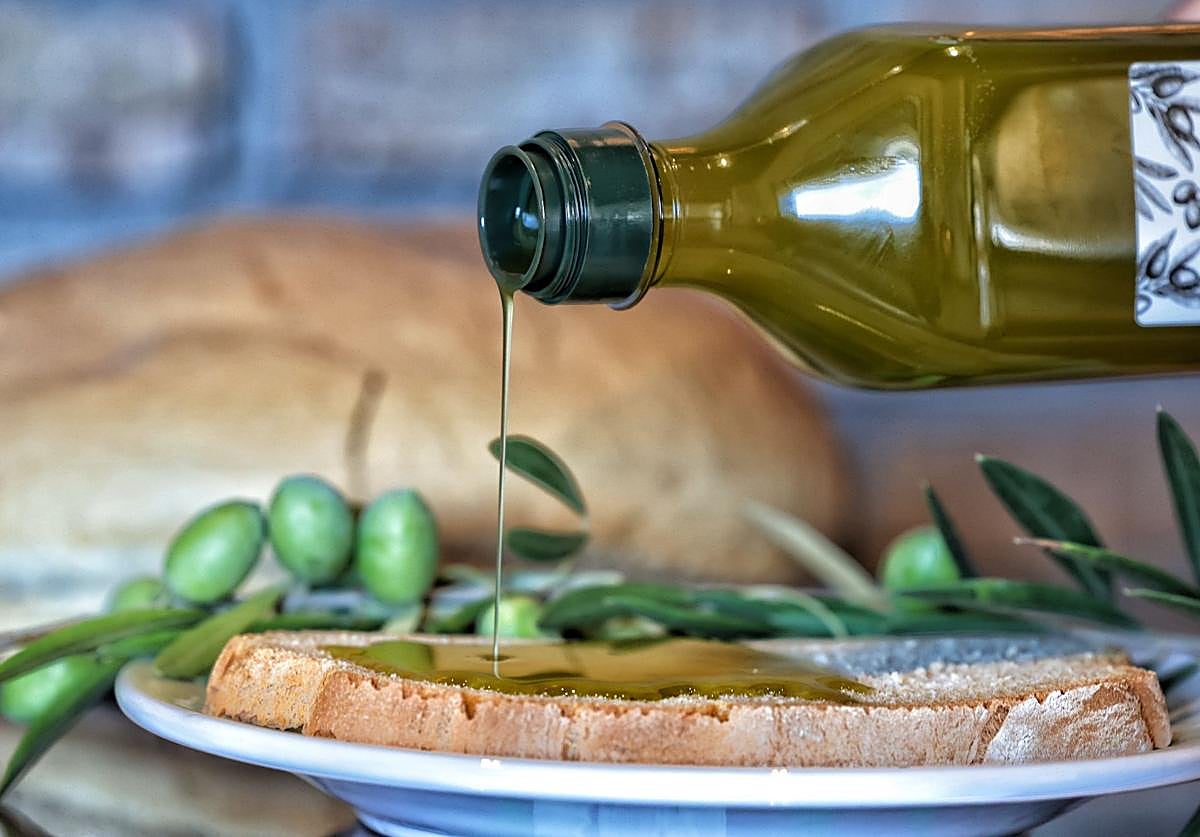
The intensity of these first EVOOs makes them an obvious choice for dishes served cold or at room temperature. Fresh bread and salads are the simplest options, but Olearum president Lorenzo Tapia, who is also a doctor specialising in community nutrition, says early-harvest Aloreña Manzanilla has a much wider culinary range.
Its sweet, fruity and herbal profile works well in dishes where the oil takes centre stage without overwhelming the other ingredients.
His recommendations include several dishes closely associated with Malaga's cuisine, such as ajoblanco (a chilled almond and garlic soup), gazpacho and porra antequerana, a thick tomato-based cold soup.
"For ajoblanco, it works well with a little extra intensity," Lorenzo Tapia says. He also recommends pairing the oil with fresh white cheeses, carpaccio, white fish and mayonnaise, or using it in baking.
For some sweet dishes, he finds similarities with certain Arbequina olive oils. Overall, these oils have enough character to add aroma and depth while keeping their bitterness and pepperiness relatively restrained.
This culinary versatility also helps explain why attitudes towards these oils have changed. For generations, people often preferred milder olive oil and regarded bitterness or a peppery finish as a flaw. "They thought olive oil had to be mild and that, if it tasted peppery or bitter, it couldn't be good," Mota says. He believes greater knowledge of olive oil, a growing interest in trying different varieties and changes in cooking have all helped shift that perception.
In just a decade, the way people view an olive traditionally associated with green harvesting and table use in the Guadalhorce Valley has changed. Today, growers also look forward to taking it to the mill to produce oils that sacrifice yield in exchange for freshness, aroma and character.
Anyone hoping to try this year's first oils will still have to wait a few weeks. The first batches have already come out of the presses at Molisur and Molino de la Paca, but they will begin reaching consumers in November. Then these early EVOOs, produced almost as soon as autumn arrived, will complete their final journey: from the olive tree to the table, via the mill.
![[]](http://static.vocstatic.com/voc26/latest/assets/images/favicon/surinenglish/apple-touch-icon-57x57.png)