
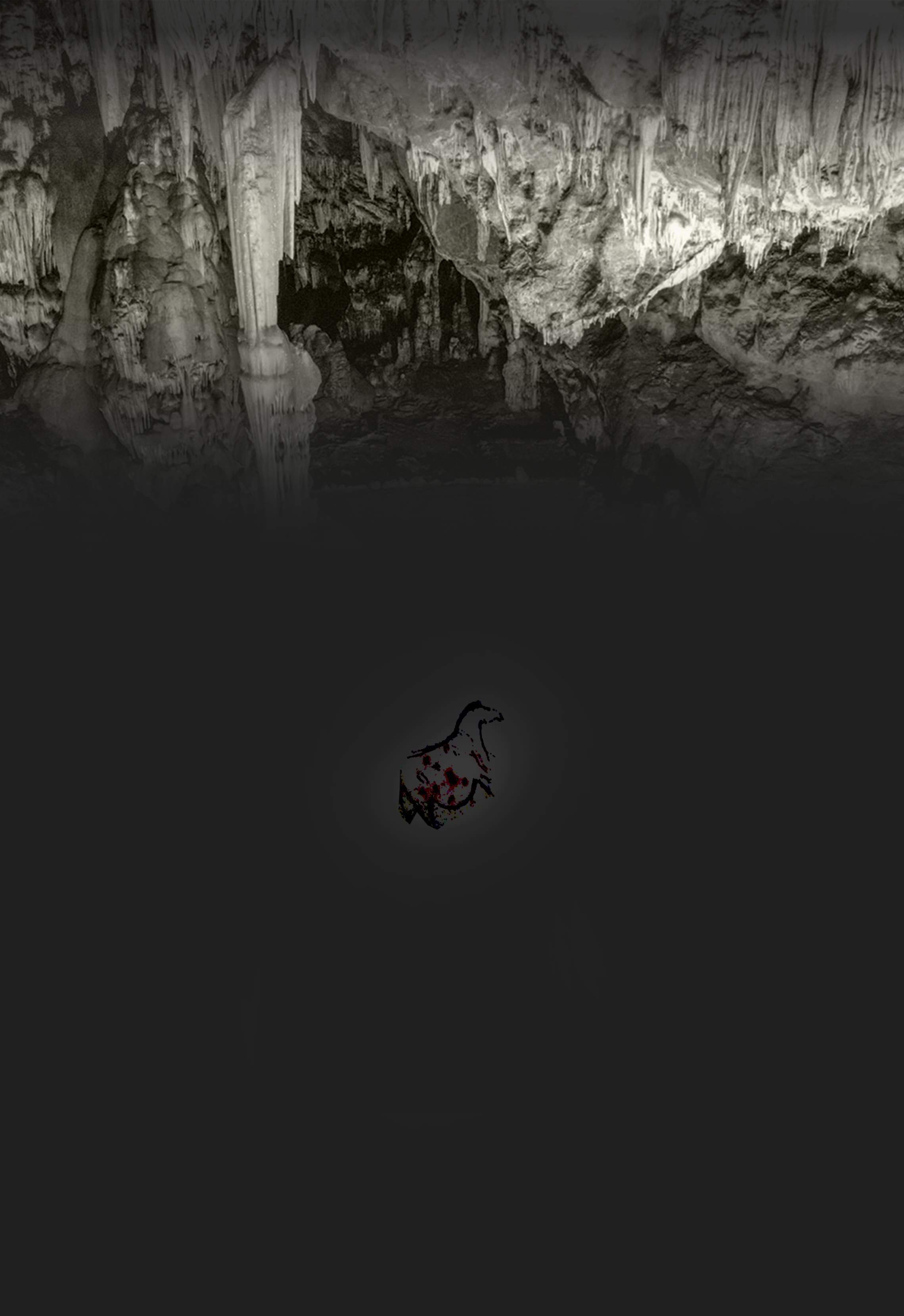
The underground cave art museum in Malaga
In caves from Nerja to Benaoján, there is evidence of art belonging to the earliest European civilisations. Twelve decorated caves have been chosen to be nominated for the Unesco World Heritage. We take you through their paintings


One of Malaga's greatest treasures cannot be seen. It stays hidden in dark areas and inaccessible places. Occasionally, it is even invisible to the naked eye. But it has been there for thousands of years as a unique form of cultural expression, that is now extinct. The mark of the last Neanderthals and the first homo-sapiens are painted in caves along Málaga's coastline, from Nerja to Marbella, and has been frozen in time in inland caves, from Antequera to Benaoján. A huge underground museum; the largest Palaeolithic museum in the Mediterranean, now aims to be recognised as a Unesco World Heritage Site.
Twelve caves in the province, managed by the heads of research and conservation of Nerja and Ardales, have been chosen to reclaim Malaga's cave heritage, eclipsed for decades by the undeniable power of Altamira, but that can no longer be called the sole representor. Recent research and new discoveries reveal that in the south of Spain there's evidence of the first art ever made by modern European humans: symbols, spots drawn with hands, fingers or mouths using red pigment - extracted from iron oxides - and with a chronology that possibly dates back 65,000 years. A revolutionary relic that shakes previously undisputable scientific paradigms, because it demonstrates that the Neanderthals also had a creative capacity, something that that has been denied for decades. Later, the art we recognise as great would arrive, of herds of horses, fish and figures of women, which proliferated throughout recent prehistory. And in the Malaga caves lies a small geographical sample that contains a large piece of human history, putting the province in the spotlight of contemporary archaeology.
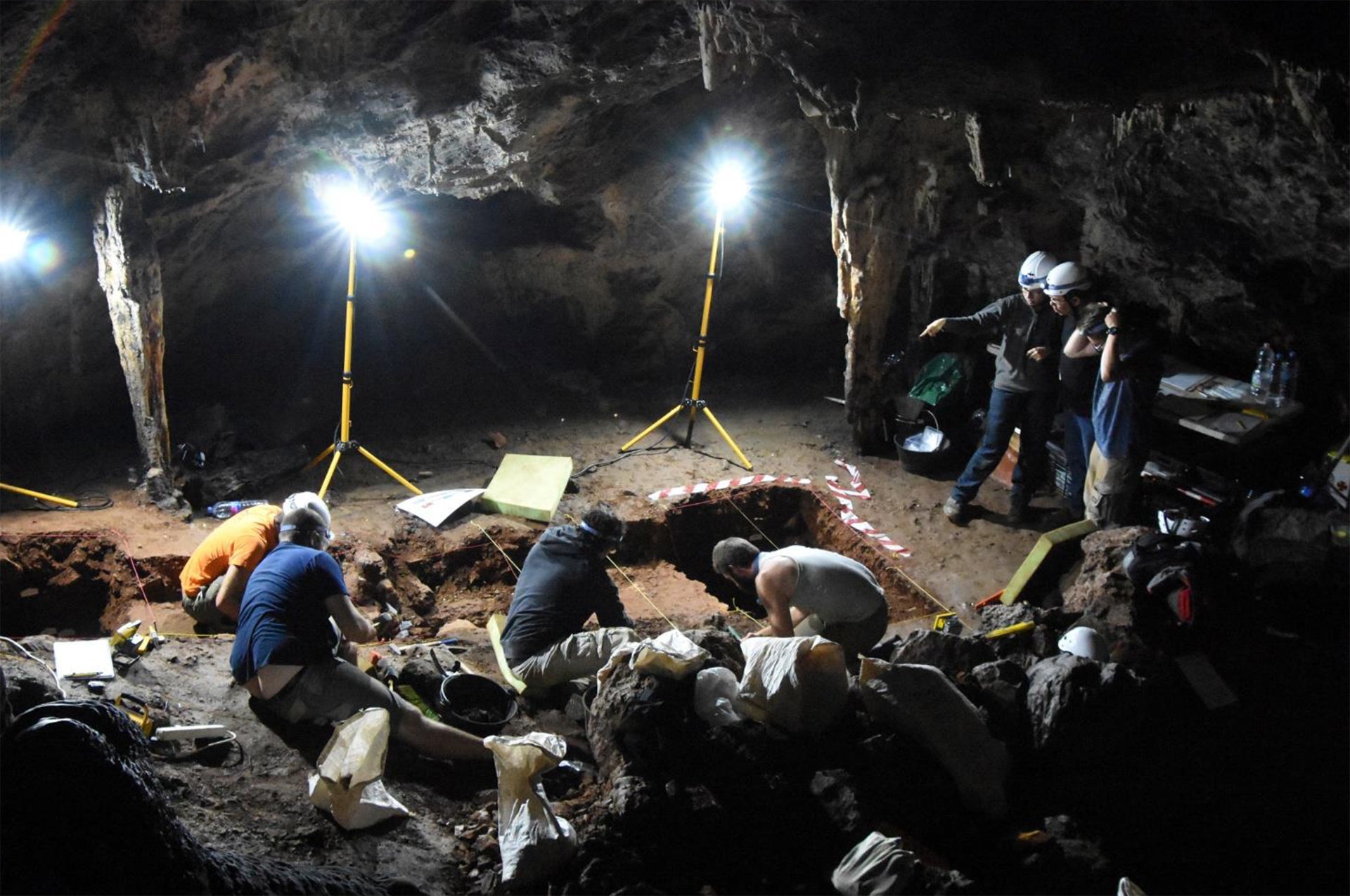
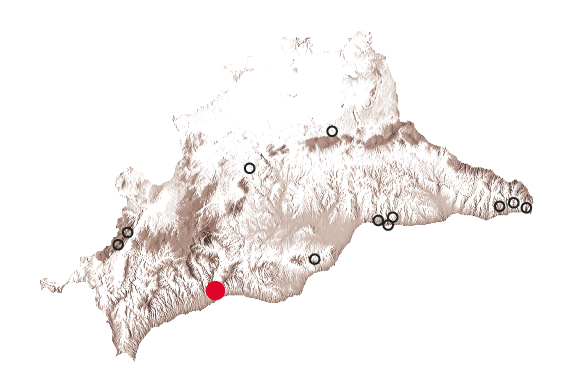
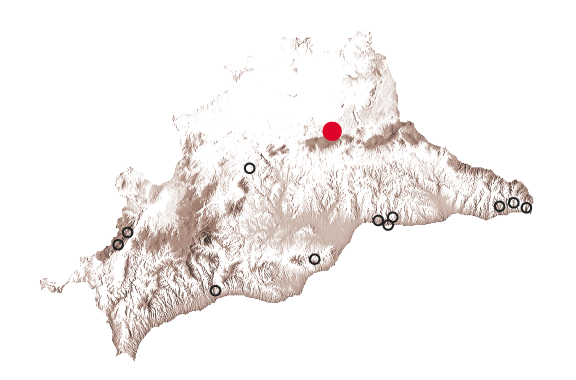
In Malaga there are three large 'Palaeolithic sanctuaries': Pileta, Ardales and Nerja. Alongside, are a series of smaller caves which reveal surprising discoveries: Navarro IV in the capital, the caves of Tesoro-Higuerón and La Victoria in Rincón de la Victoria, the cave of Calamorro/Toro in Benalmádena, Pecho Redondo in Marbella, the cave of El Gato in Benaoján, Las Suertes in Antequera and the caves of Gallinero and La Doncella in Nerja. It is known that prehistoric man moved through all of them strategically: to the inland caves in the warm weather and hunting season; to the bay when the cold weather arrived and the coast had a better climate and marine resources. Strong and robust, Neanderthals could cover the distance between Ardales from Rincón de la Victoria in just ten hours, on foot, using the banks of the Guadalhorce river as a highway. They exchanged tools and communicated and shared cave paintings. "They all made the same symbols. They weren't many, but they knew each other," says the curator-archaeologist of the Nerja Cave, Luis Efrén Fernández.
For the representative of the central Government in Malaga and president of the Nerja Cave Foundation, Javier Salas, this proposal is a "winning candidacy". The twelve decorated Paleolithic caves in Malaga will become a world heritage site based on two fundamental criteria: that they represent a work of creative genius and that they provide a unique, or at least exceptional, testimony to an extinct culture. The process is in its early stages, but in the meantime we offer to take you through mankind's most ancient art.
Elige una cueva o sigue haciendo scroll
Map of Paleolithic art
in Malaga province
Antequera
Ardales
Málaga
Ronda
Nerja
Rincón de
la Victoria
Istán
Mijas
Marbella
Map of Paleolithic art
in Malaga province
Antequera
Ardales
Málaga
Ronda
Nerja
Rincón de
la Victoria
Istán
Mijas
Marbella
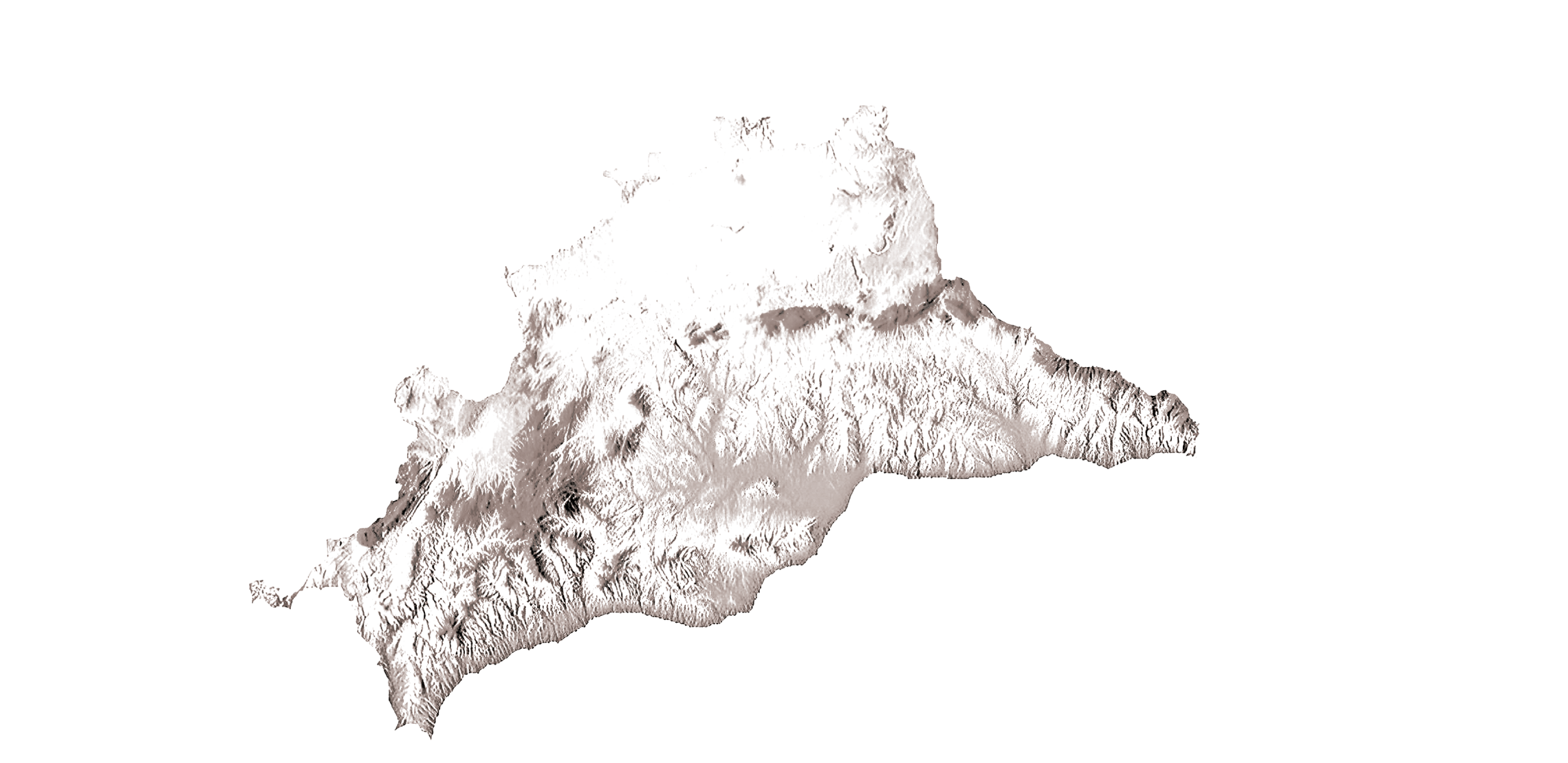
Mapa of
Paleolithic art in
Malaga province
Antequera
Ardales
Álora
Ronda
Málaga
Nerja
Rincón de
la Victoria
Cortes de
la Frontera
Istán
Mijas
Benalmádena
Fuengirola
Benahavís
Marbella
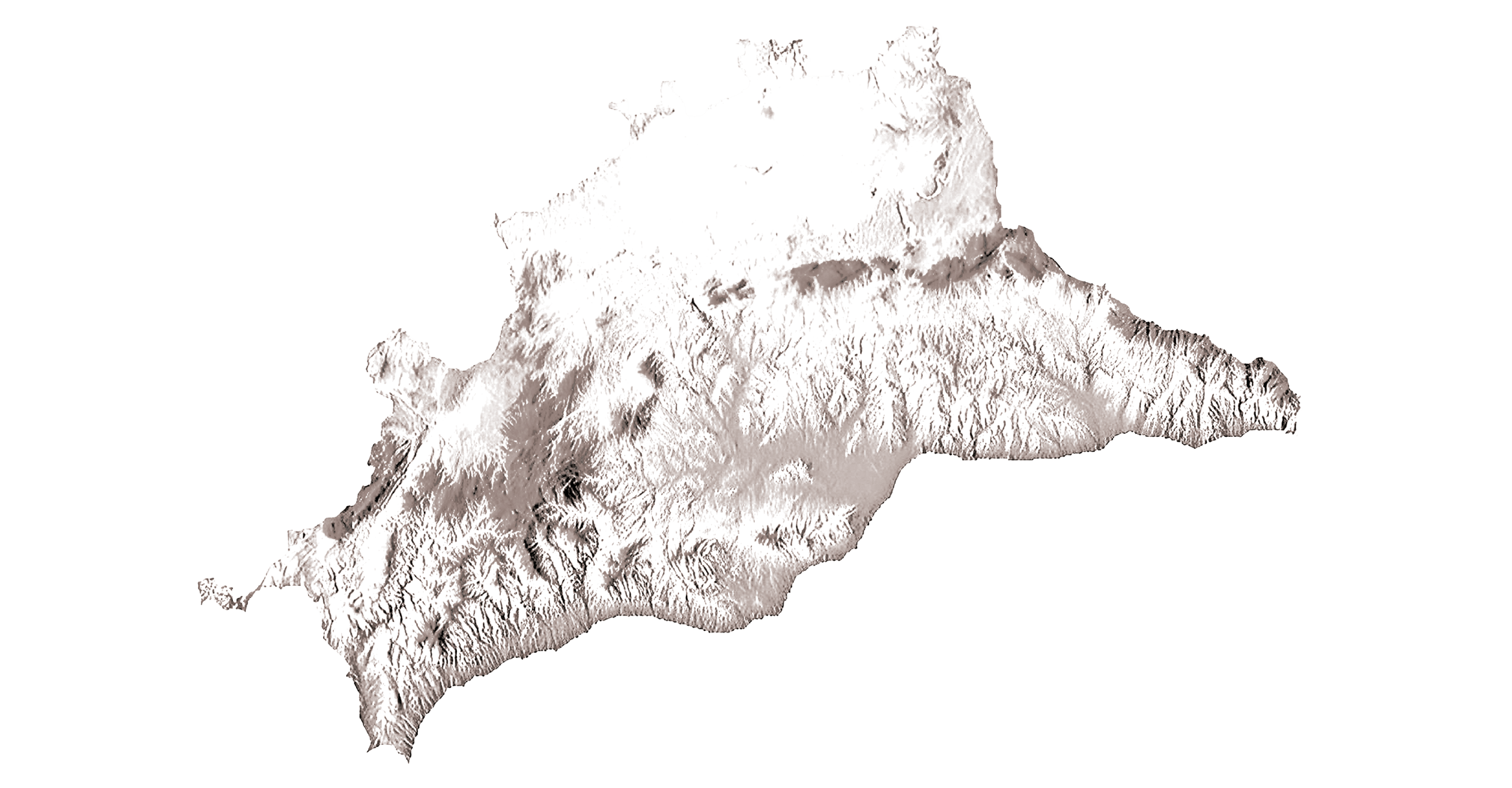
Map of
Paleolithic art in
Malaga province
Antequera
Ardales
Álora
Ronda
Málaga
Nerja
Rincón de
la Victoria
Cortes de
la Frontera
Torremolinos
Istán
Mijas
Benalmádena
Fuengirola
Benahavís
Marbella
1
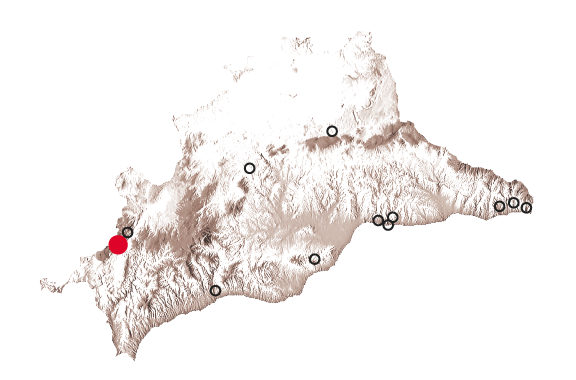
Cueva de la Pileta
Place
Benaoján, Sierra de Líbar
Visits
Privately owned. You can visit in groups of up to 25 per hour
Discovery
Willoughby Verner, retired veteran and bird-lover, publishes the discovered paintings in an English newspaper, following suggestions from a local farmer
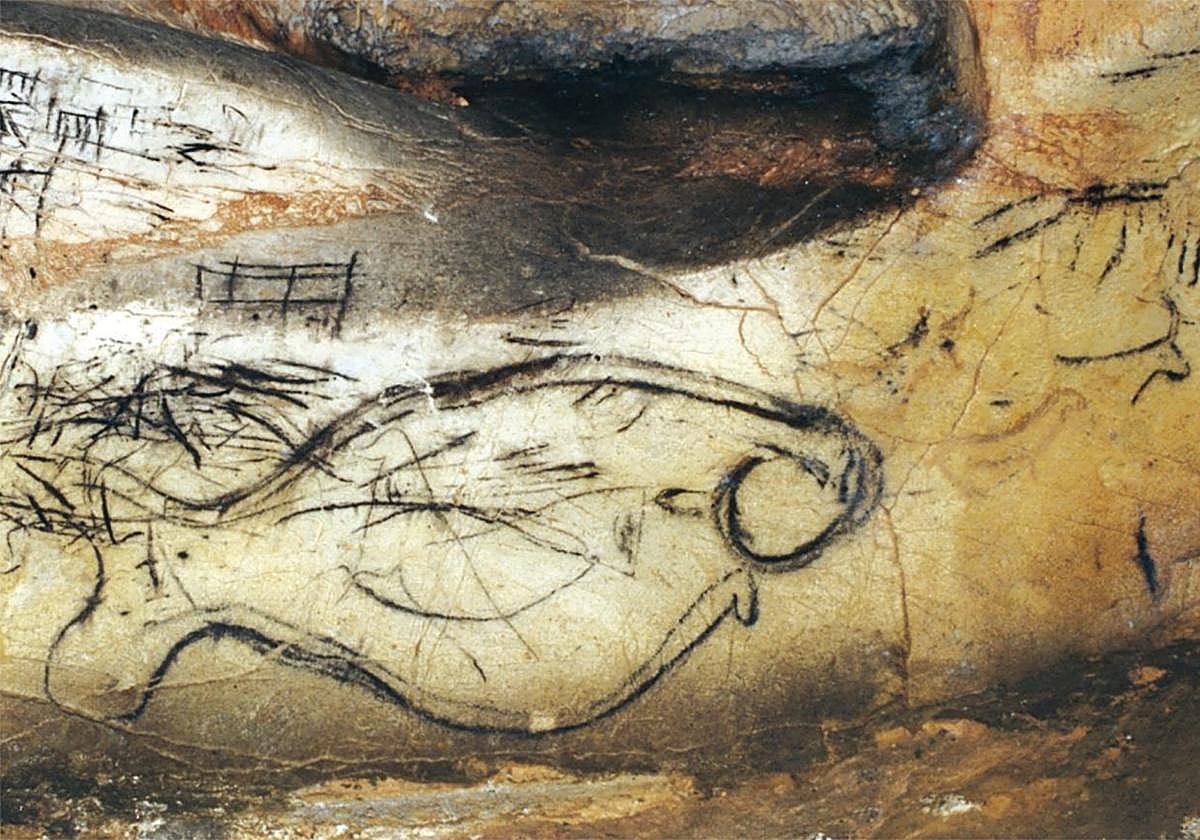
For more than a century, the images of the pregnant mare, the fish and the goat of La Pileta have been the main points of reference for cave paintings in Andalusia. The cave features exceptional Palaeolithic and symbolic paintings, some are small and motley, such as the space known as the 'Sanctuary', and others extend along an entire gallery. These figures estimate between 20,000 years old (the black-coloured wild ox in the Breuil Chamber) and 9,000 years old (black goat in the Lake room), but researchers suspect that many of the cave motifs go several thousand years further back in time. The archaeological remains found reveal that the caves were also used as burial grounds in recent prehistoric history, and that they served other purposes in the Gravetian period (more than 26,000 years ago), as evidenced by a portable lamp made from a marine shell fossil.

1 /
2
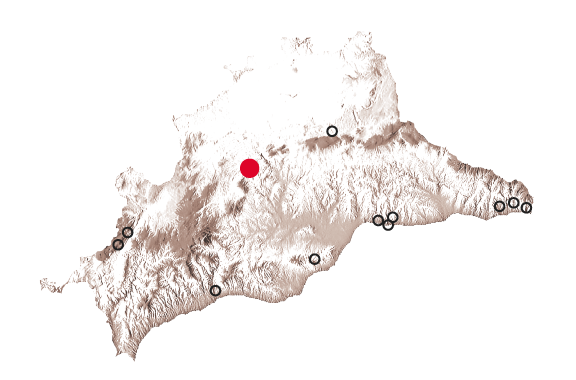
Cueva de Ardales
L
Ardales, Cerro de la Calinoria
Visits
Publicly owned, groups of up to 15 people a day can visit; 30 on weekends
Discovery
Between April and May, 1821, two powerful earthquakes collapsed the debris plug that obstructed the cave's entrance
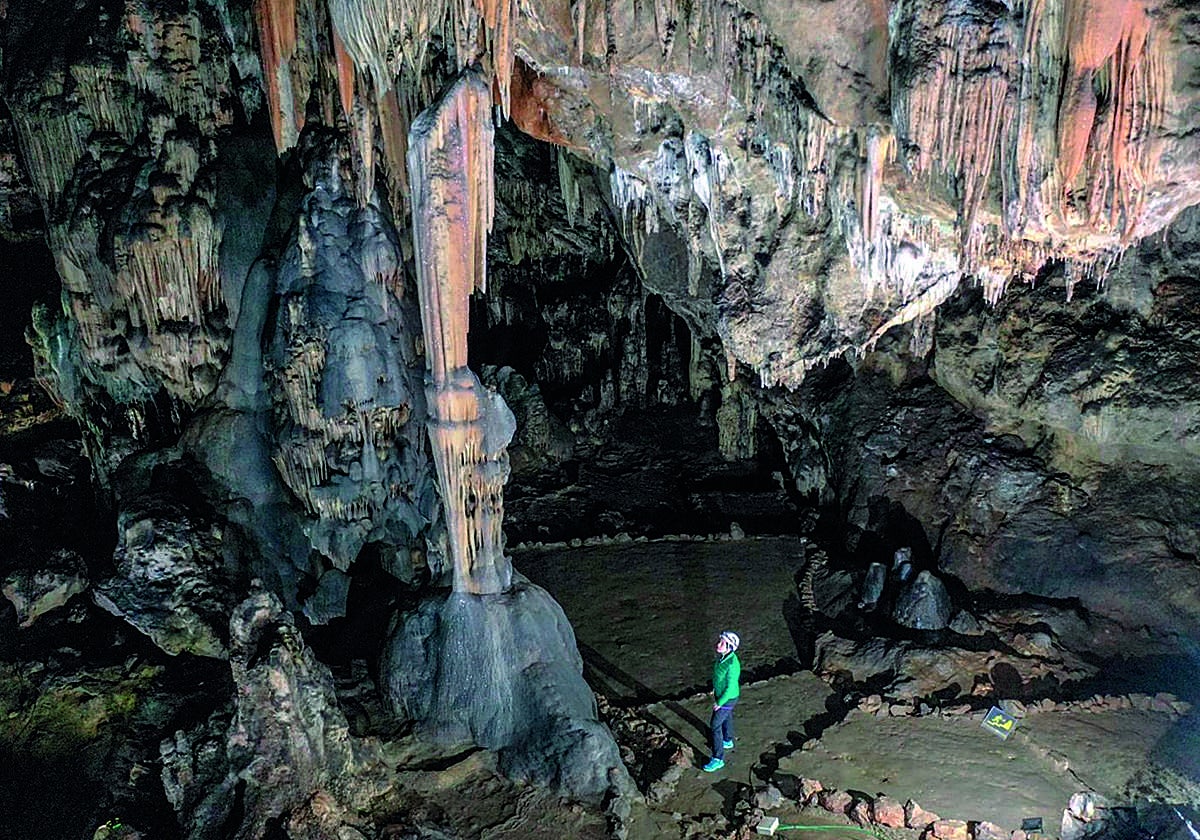
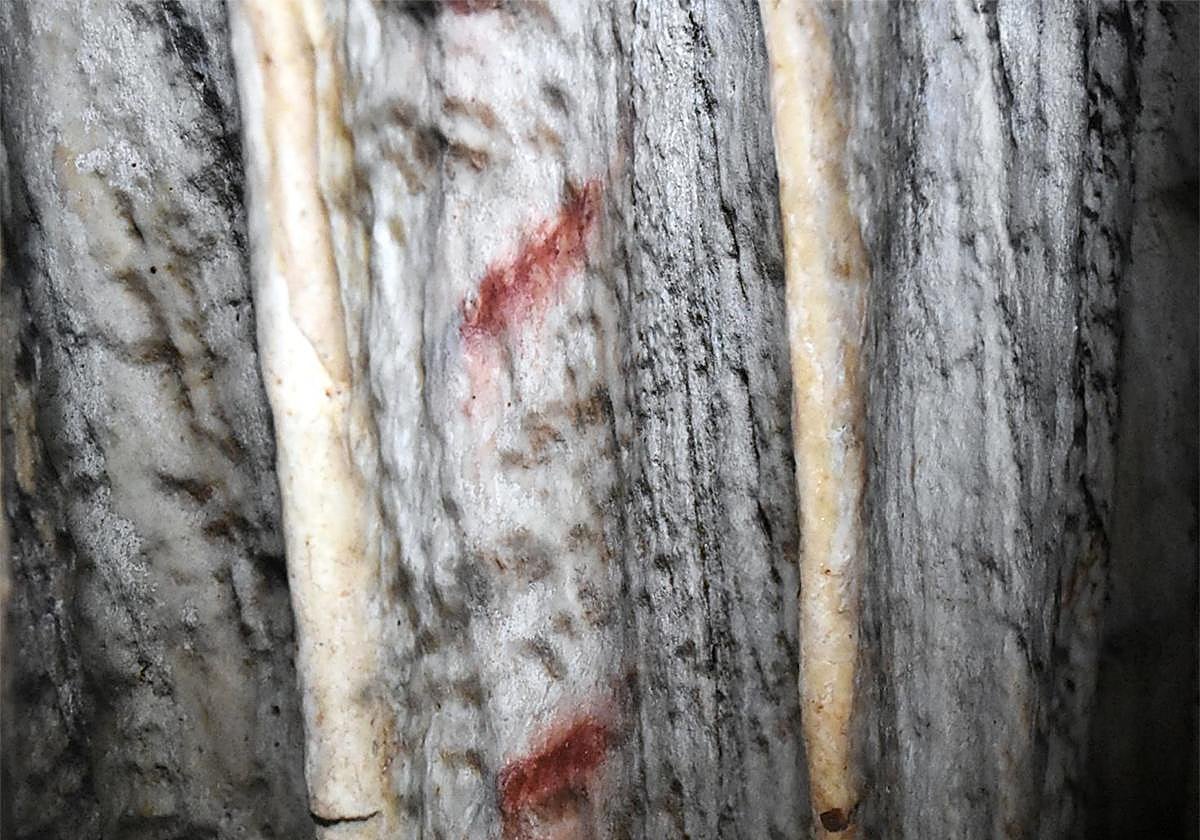
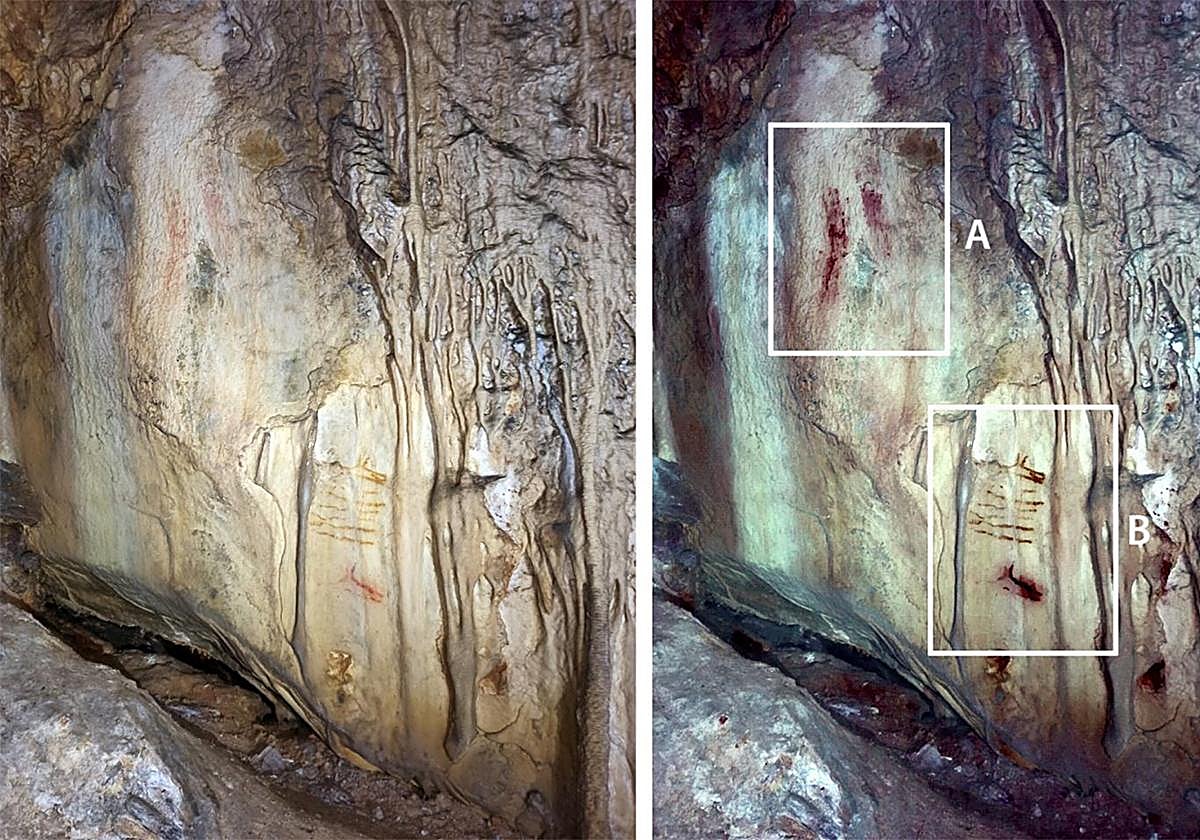
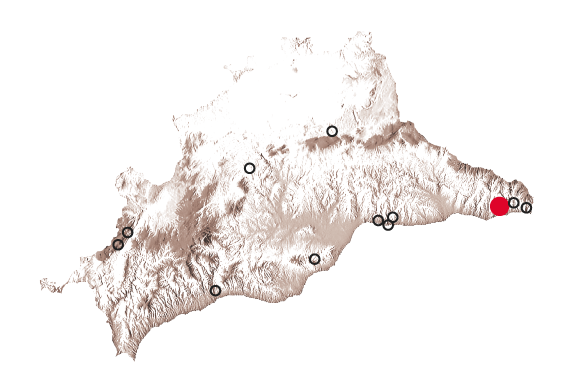
It is one of the Palaeolithic temples in the Mediterranean. There is evidence of human activity in the Ardales cave from 65,000 to 3,500 BC, a prolonged period that resulted in numerous works of art. The cave art inventory amounts to 1,010 illustrations seen in over 250 different panels, made either with paint or as engravings in the rock. They depict the Quaternary fauna of the area, with more than 60 deer and 25 horses (also goats, cattle, birds, fish and reptiles), and eleven human figures, exclusively female, which constitute one of the most important collections of Iberian cave art. There are also hand illustrations and signs of all kinds (fingers, dots, bars). It is this final artform, made using red pigment and then applied with fingers or blown onto the walls, that is the oldest, between 65,500 and 45,300 years before our time.
1 /
3
Cueva de Nerja
Sierra de Almijara
Visits
Publicly owned, receives an average of 1,200 visits today in its Galerías Bajas, the only caves authorised for tourist purposes, and that only represent a third of the cave gruta
Discovery
On the 12 January 1959, five teenagers from Mario discovered the caves whilst looking for bats
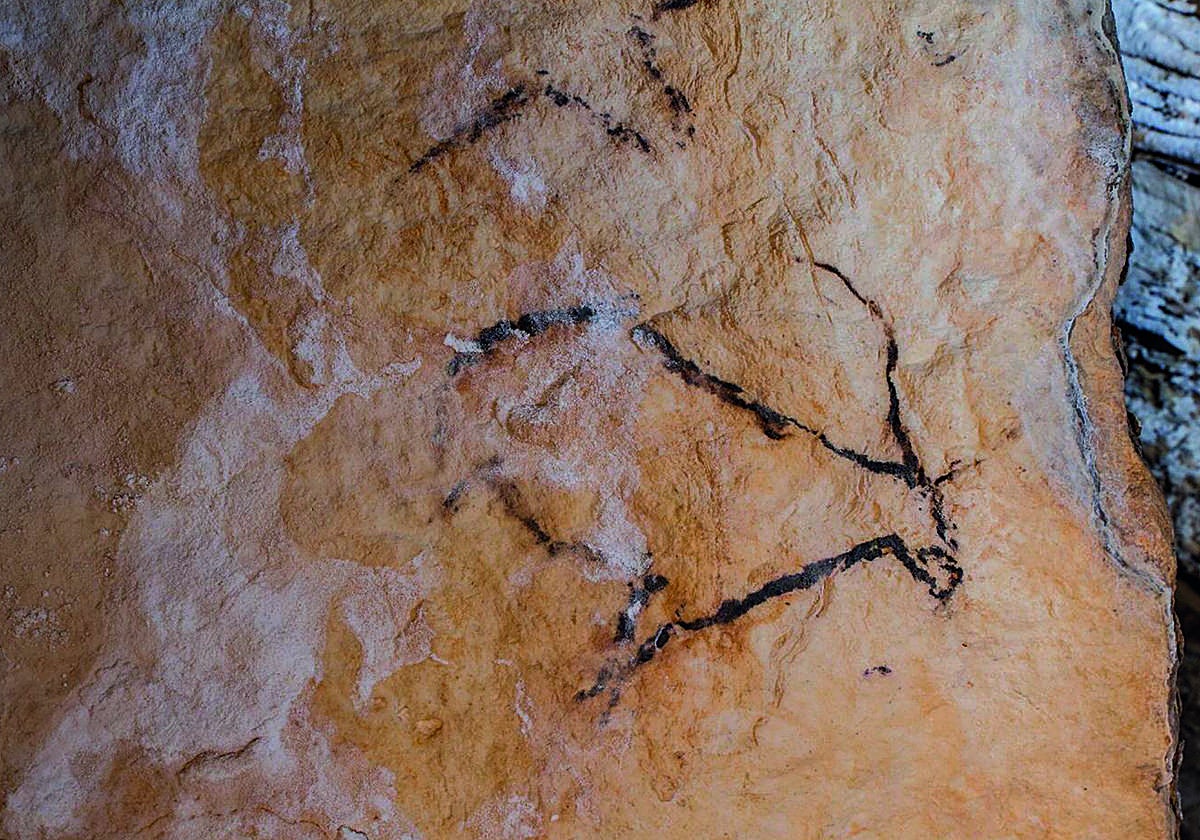
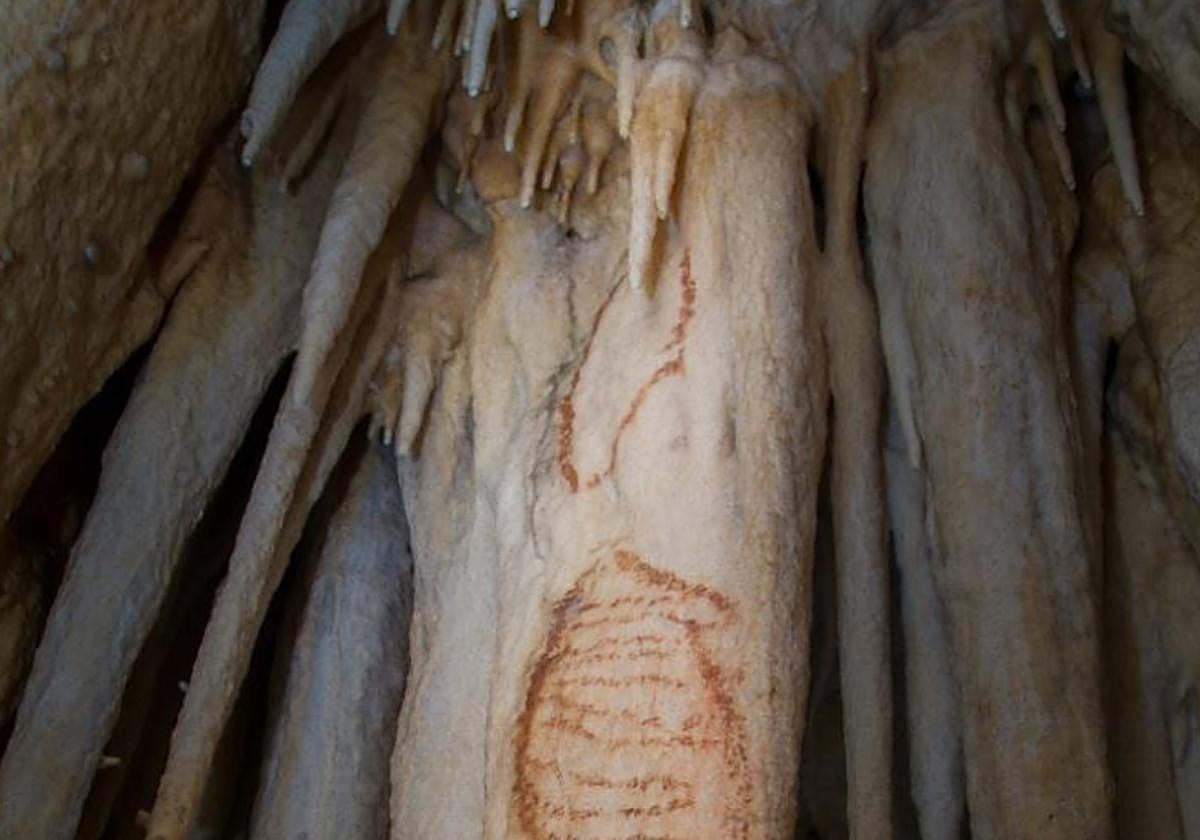
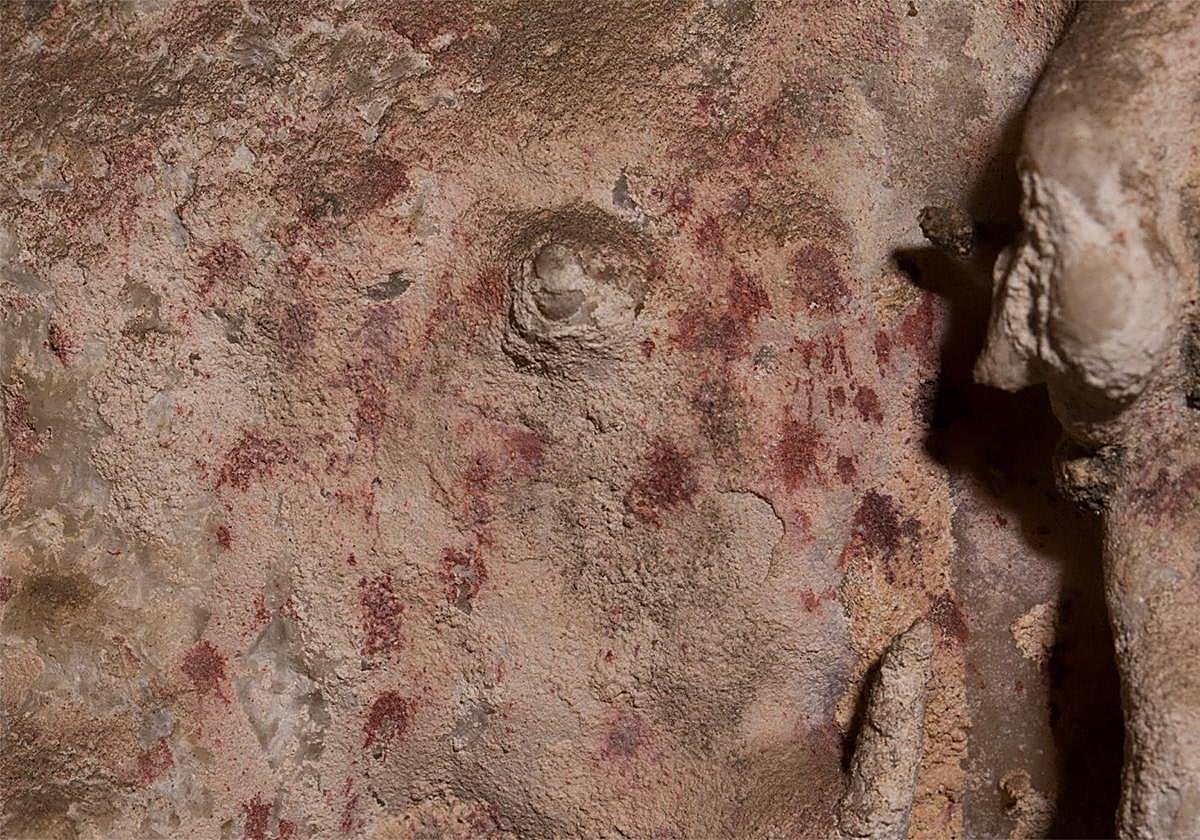
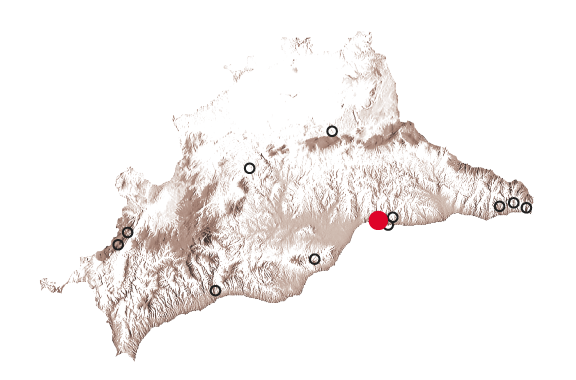
Nerja is undoubtedly one of the largest Palaeolithic sanctuaries in Europe. Several hundred Palaeolithic and post-Palaeolithic drawings have been identified on its walls, extending from the entrance to the Galerías Altas (High Galleries). There are less paintings of creatures, but it stands out for its abstract signs and traces that fill large areas of the cave. The latest findings include handprints, enormous airbrushes, applications made with fingers or blown, ad line fragments that probably correspond to the most archaic form of Palaeolithic art. They point to the Gravetian period, but there are finger marks that seem to go back to the beginning of the Upper Palaeolithic era, placing the paintings' antiquity at more than 35,000 years old. But beyond the cave art inside, the Nerja Cave is a geological treasure of immense beauty, an underground space "that archives several million years of the Earth's geological history", as highlighted in the proposal for the inclusion of the Málaga caves as a Unesco World Heritage site. It also has its own ecosystem in which so far, three species endemic to the cave have been recognised. All of these factors makes this cave exceptional.
1 /
4
Cueva Navarro IV
LL
Málaga, Cantales de La Araña
Visits
It's privately owned and cannot be visited
Discovery
It was discovered in 1979, as a result of work in the quarry where it's located
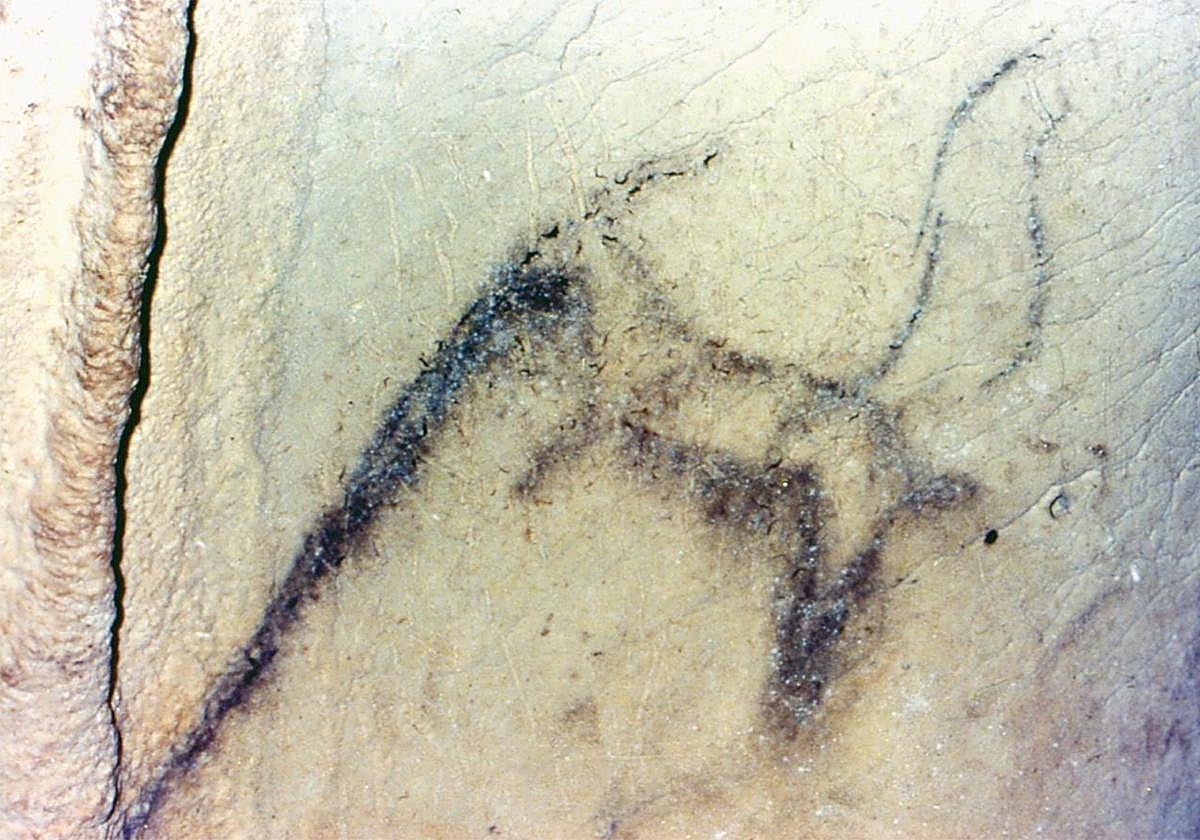
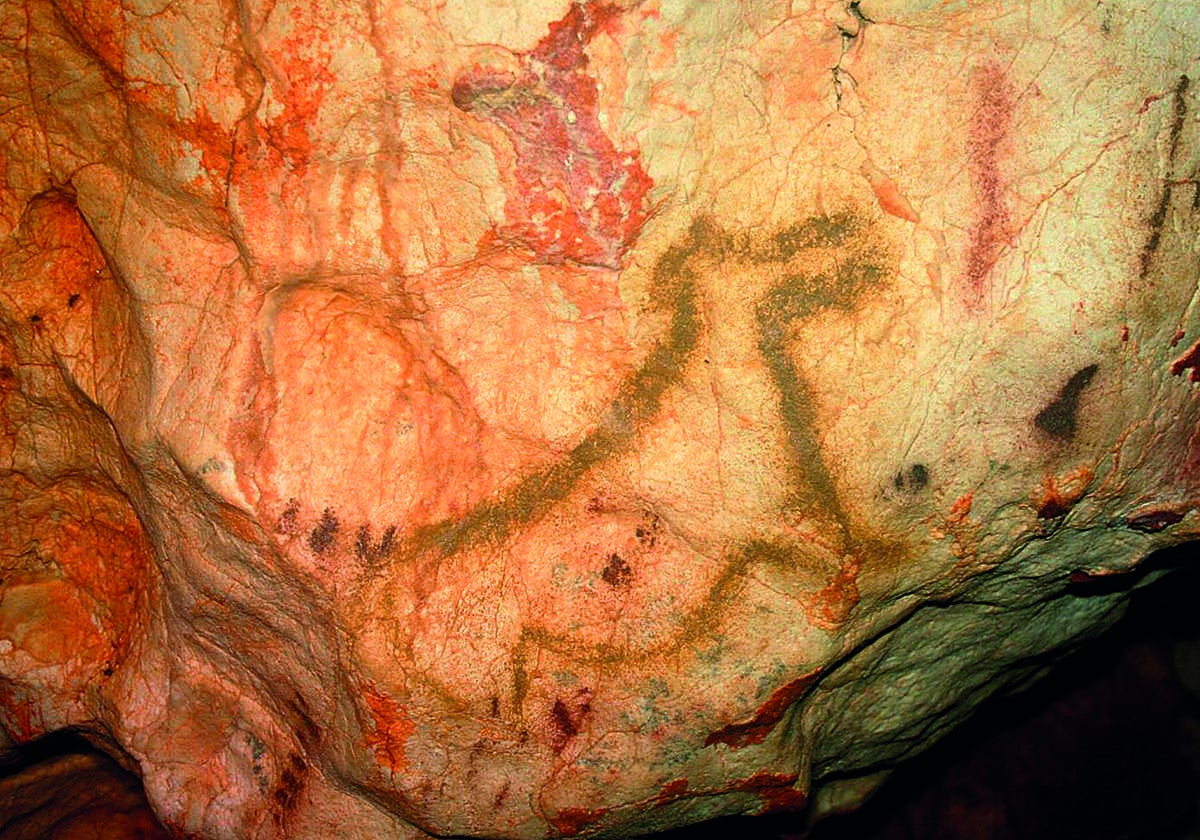
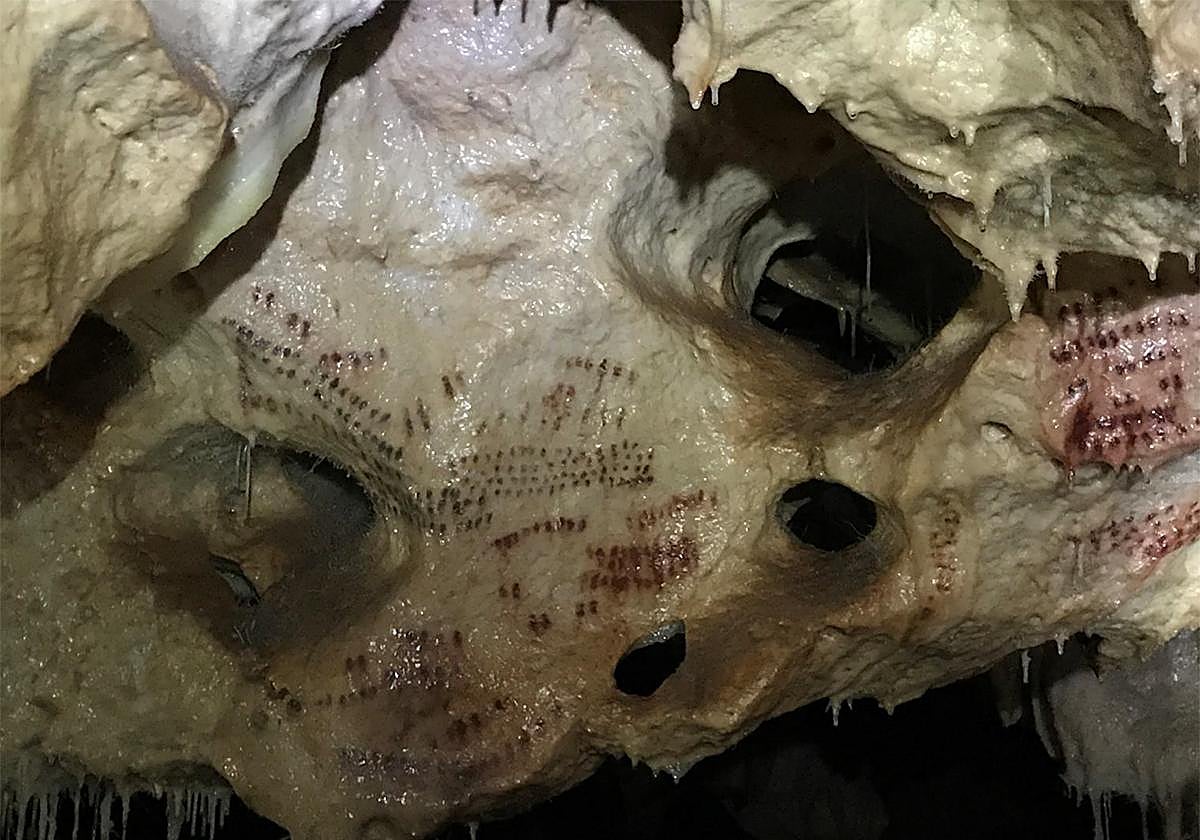
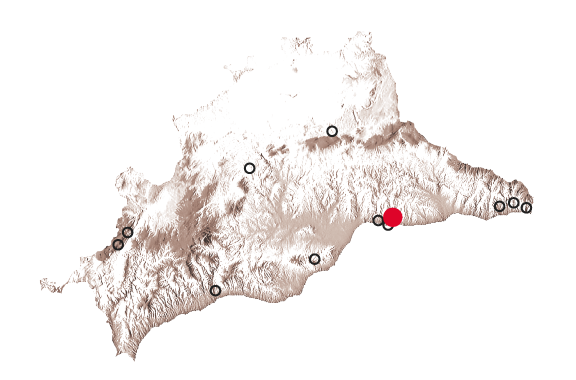
It's like a time capsule with cave art preserved up until the Solutrian period. In the Upper Palaeolithic era, the cave was sealed off due to natural causes. Everything remained intact, just as prehistoric man left it, until it was accidentally opened again in 1979. Two years later, after an initial investigation, it was closed again and remained so for another 40 years. In 2023, a team of archaeologists from the universities of Bordeaux, Cantabria and Córdoba crossed the very narrow cave opening; a corridor which led to the room where the cave paintings are found. The work is still being carried out, but from the first studies done in 1981, it is known that there are at least 149 pictorial elements inside, all of which - except one - correspond to signs: dotted lines, stains, parallel straight lines... There is only one animal painting, a long-horned wild ox, very similar to those documented in the Cueva de la Pileta, which date back to 20,000 years ago.
1 /
5
Cueva del Tesoro-Higuerón
LugarLuPlace
incón de la Victoria, acantilados del Cantal Alto
Visits
Privately owned, publically managed, receives 200 hundred visitors a day at la Cueva del Tesoro and 30 in la Galería del Higuerón
Discovery
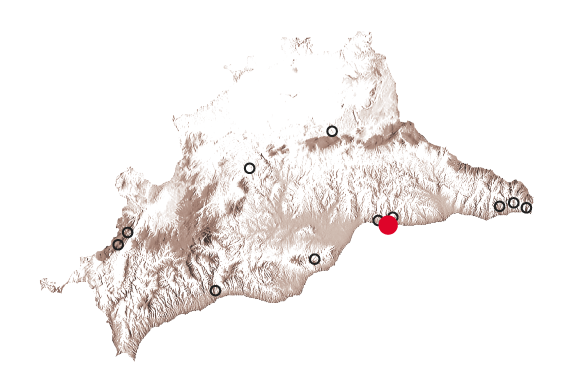
The cave has been noted since the 18th century because of references to explorers who visited, and quotes referencing their legendary tales. In the 19th century, a treasure-seeker, named El Suizo, blew up the cave entrance, leading to the discovery of new galleries and wells, now known as Cueva del Tesoro. The first paintings were documented in 1918
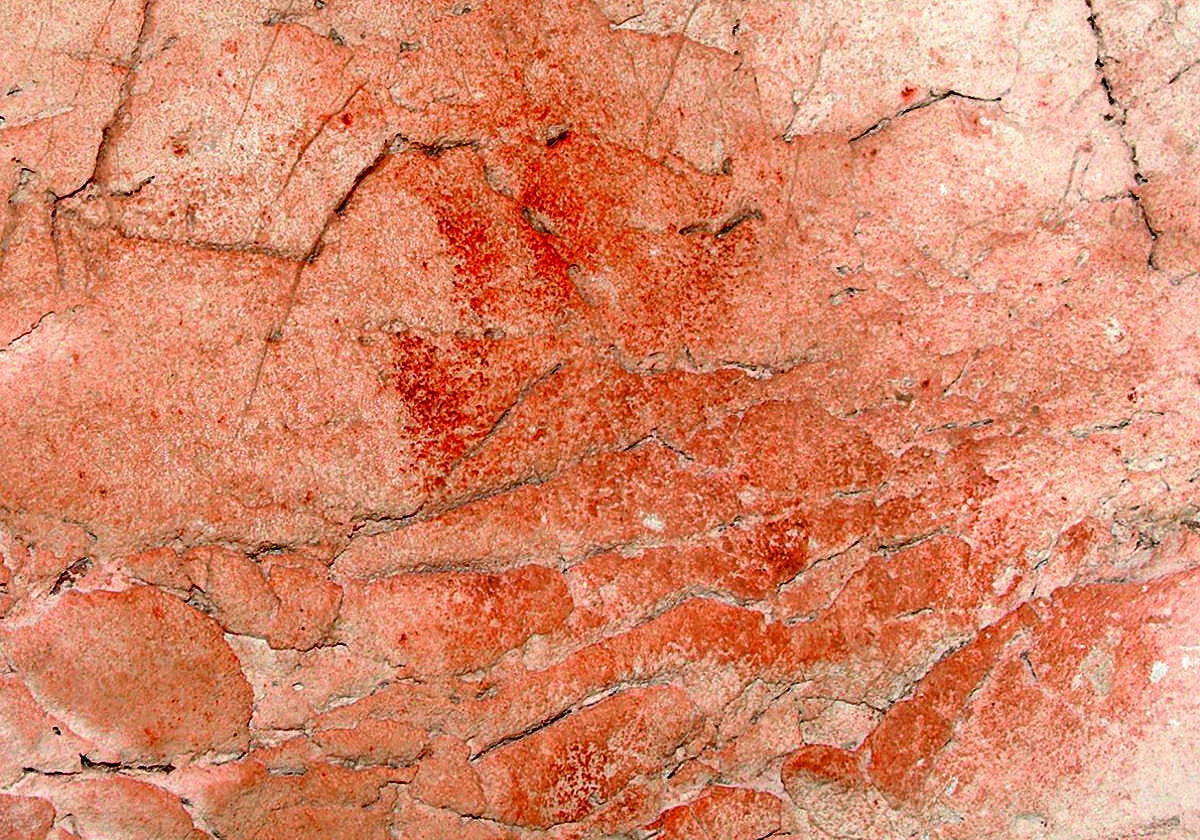
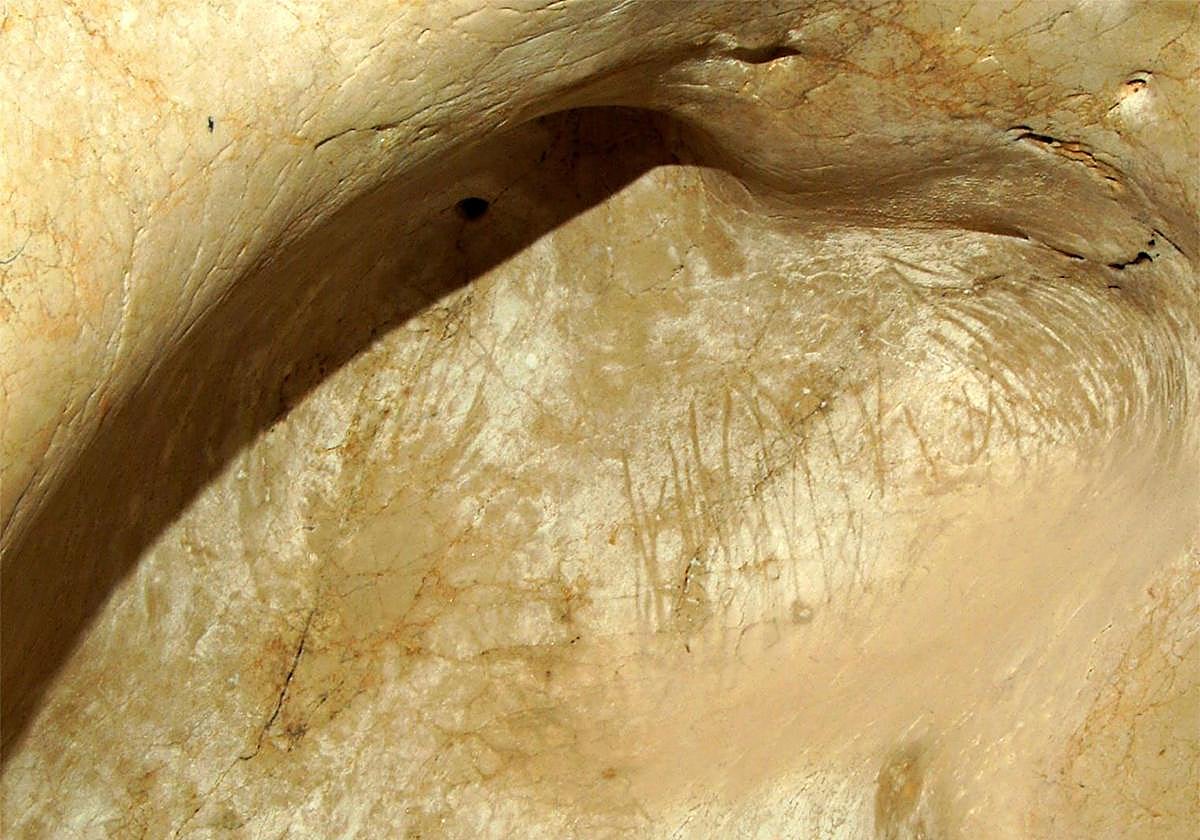
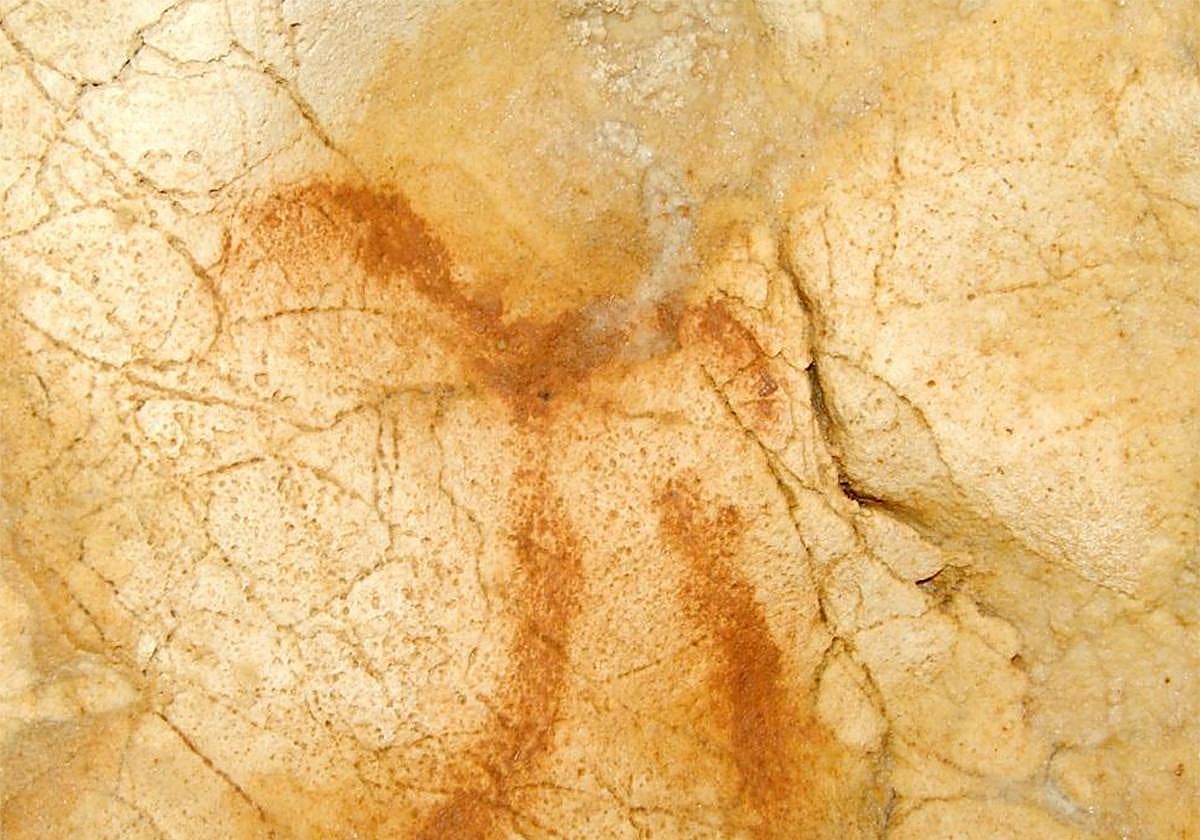
Prehistoric humans were frequently at the Cueva del Higuerón throughout the Upper Palaeolithic period, suggested by the remains uncovered in the excavations carried out after the Civil War, findings that are being looked after by the National Archaeological Museum. From the Neolithic period onwards, the cave was used as a burial site. Dots, airbrushes, strokes and handprints, done in red dye, predominate. There are also five engravings representing Pleistocene fauna: two goats, a deer, a horse and a fish. They date back to between 35,000 and 15,000 BC.
1 /
6
Cueva de la Victoria
LLuPlace
incón de la Victoria, acantilados del Cantal Alto
Visits
Privately owned, receives 30 visitors a day
Discovery
The cave has been known since the end of the 20th century, when bat excrement was mined in order to be sold as fertiliser
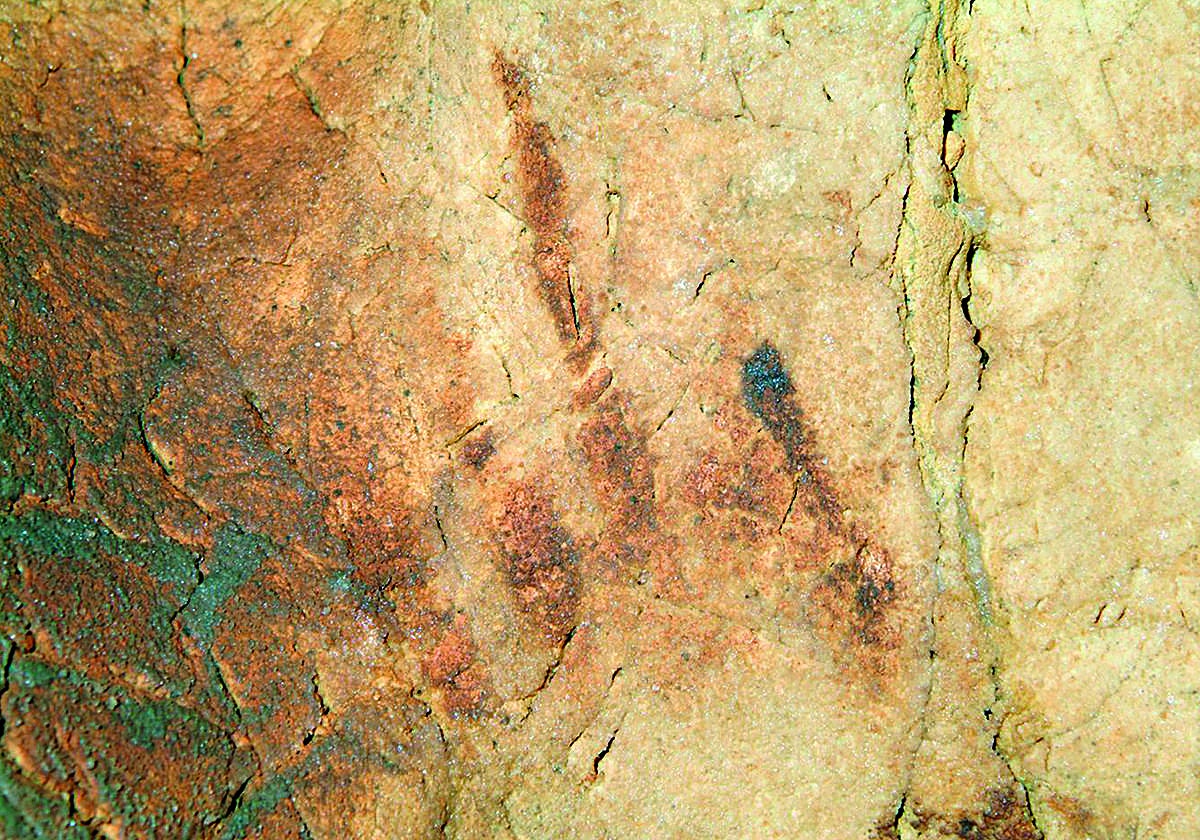
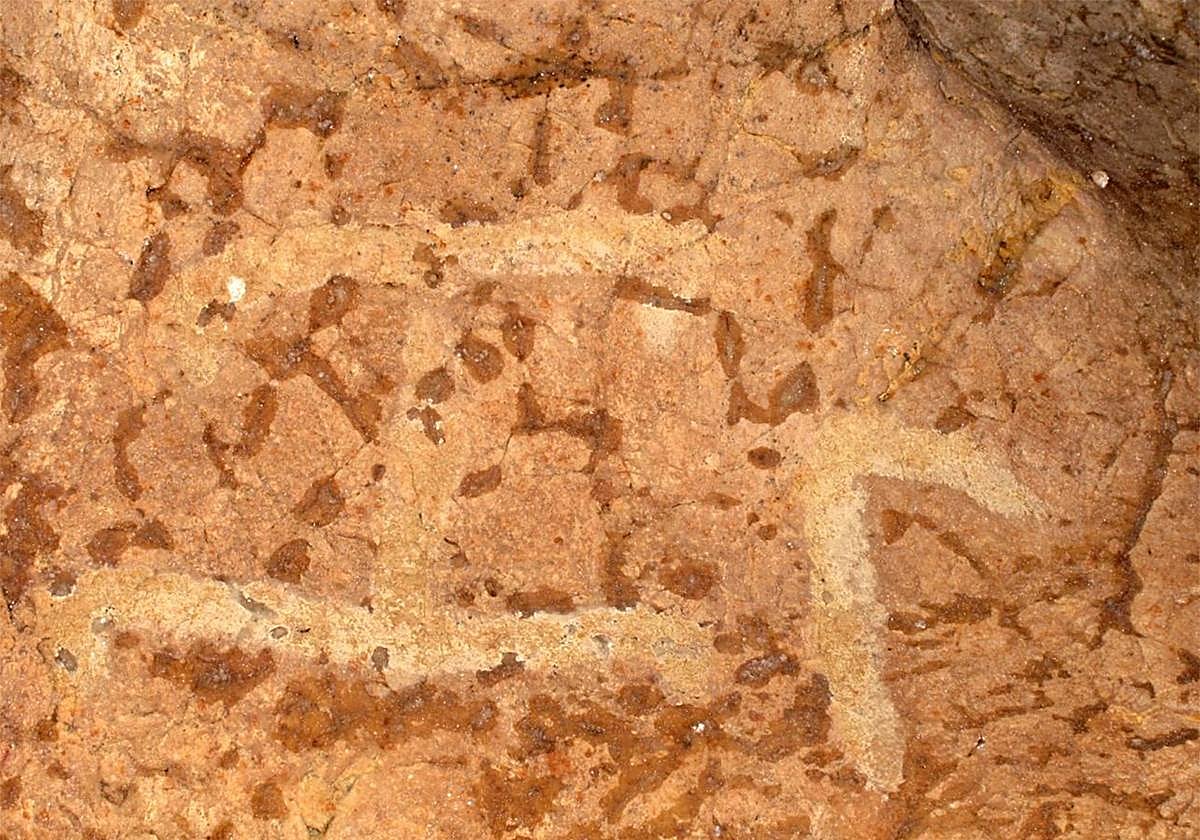
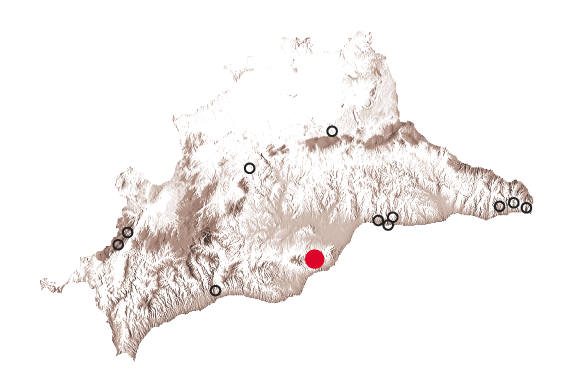
In the Cueva de la Victoria, Palaeolithic and Neolithic art coexist on the same walls. The oldest symbols are mainly dots, intentional red marks and strokes, in addition to a pisciform figure. The schematic cave paintings stands out, human interpretations of very simple shapes, painted in a yellowish-white colour, in some cases carrying tools or weapons.
1 /
Only three are depicted with a lower body. This type of art inhabits the same space as the Neolithic burials in the Sala del Dose. "The fact that this enclosure contained funerary remains and representations of the life of prehistoric communities makes the Cueva de la Victoria one of the best examples and perhaps the oldest hypogeum in the Mediterranean", the report highlights in the World Heritage Site proposal.
7
Cueva del Calamorro/Toro
LuPlace
Benalmádena, Sierra del Calamorro
Visits
Publicly owned, cannot be visited
Discovery
It was discovered in 1969 following a news article provided by a foreign citizen to Manuel Giménez Gómez, who explored a small section of the cave
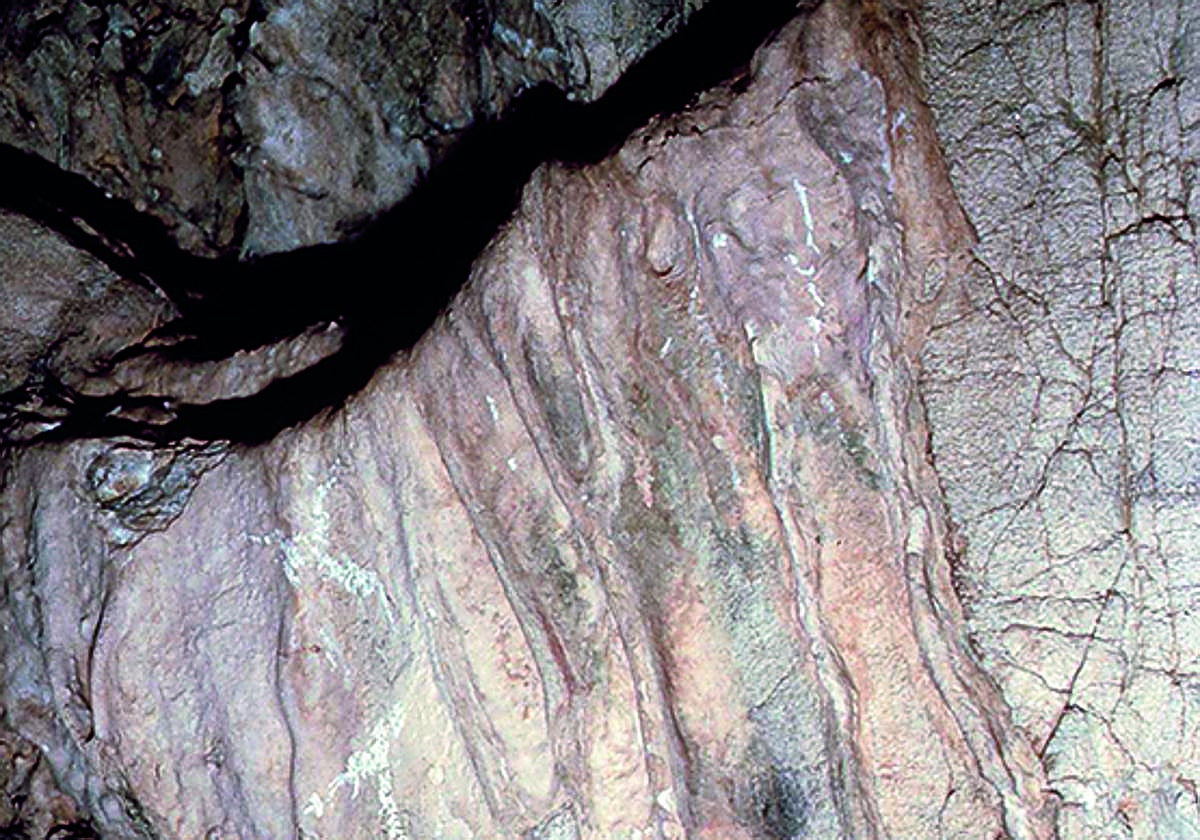
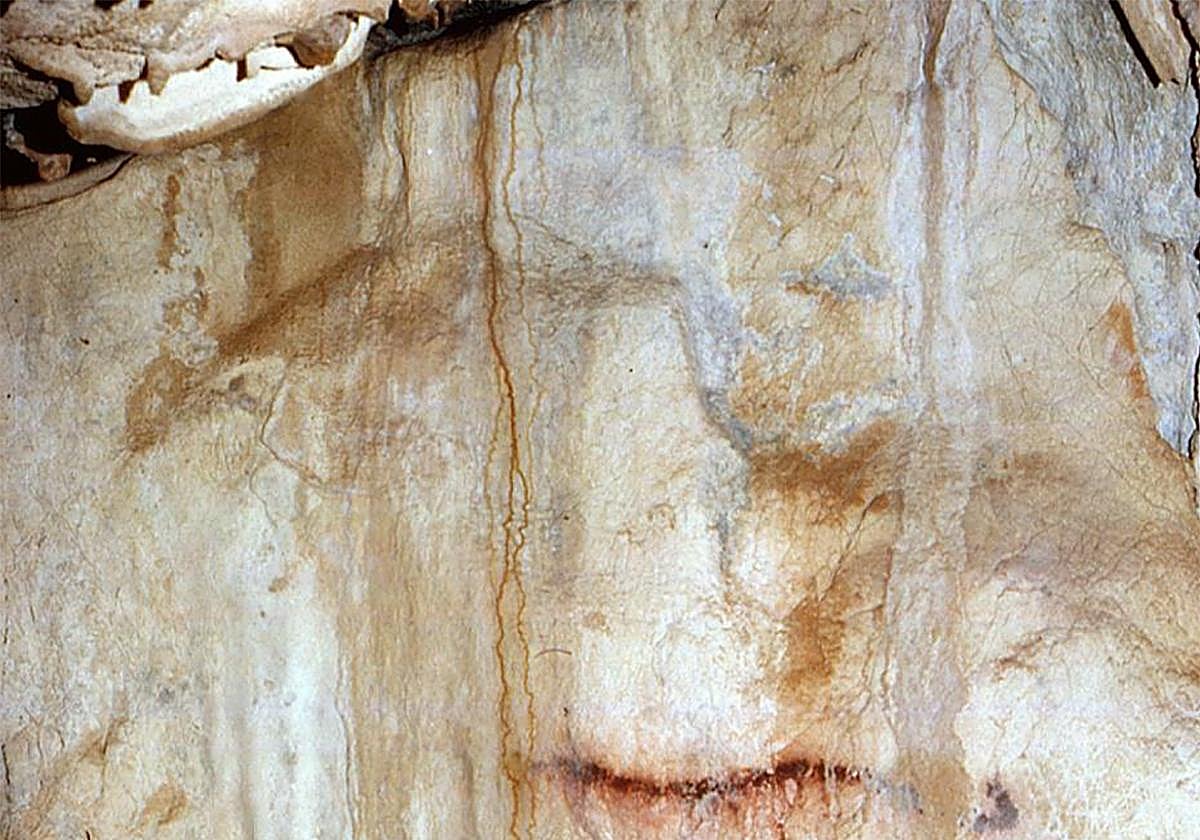
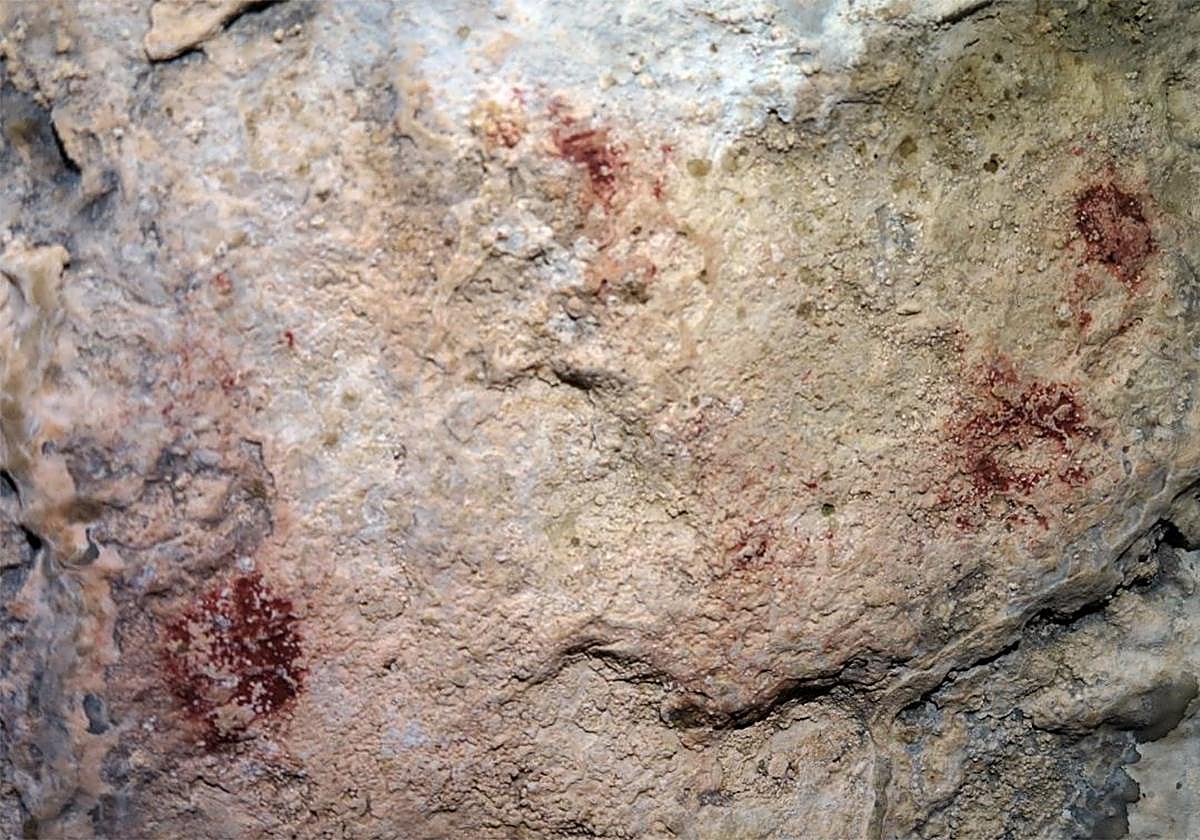
Research in the Cueva del Toro began in 1971 and, although new work is currently being carried out, these first findings continue to be the main reference point for what is known about the cave. It is believed to have been visited only during the Palaeolithic period, as there are no traces of human activity during recent prehistoric times. On its walls, vertical red strokes have been found at the cave's entrance, a bright red headless ox surrounded by a series of black dots on its chest and two red dots identified at the other end of the cave. The researchers believe that the illustrations may correspond to the earliest Palaeolithic art.
1 /
8
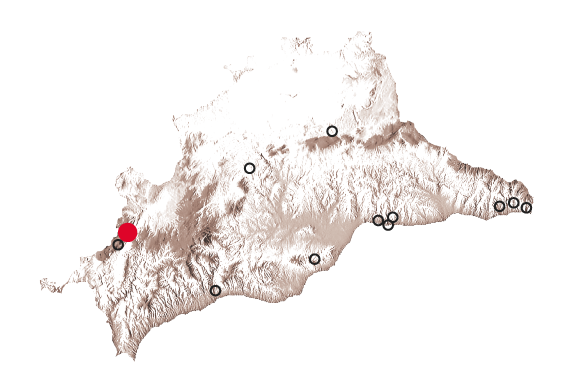
Cueva del Pecho Redondo
LLuPlace
Marbella, Cerro de la Torrecilla
Visits
Publicly owned, however remains closed, except sporadic archeological visits
Discovery
It was discovered in the mid 1950s, when a local hunter spotted a human skeleton inside the cave, as well as various pots
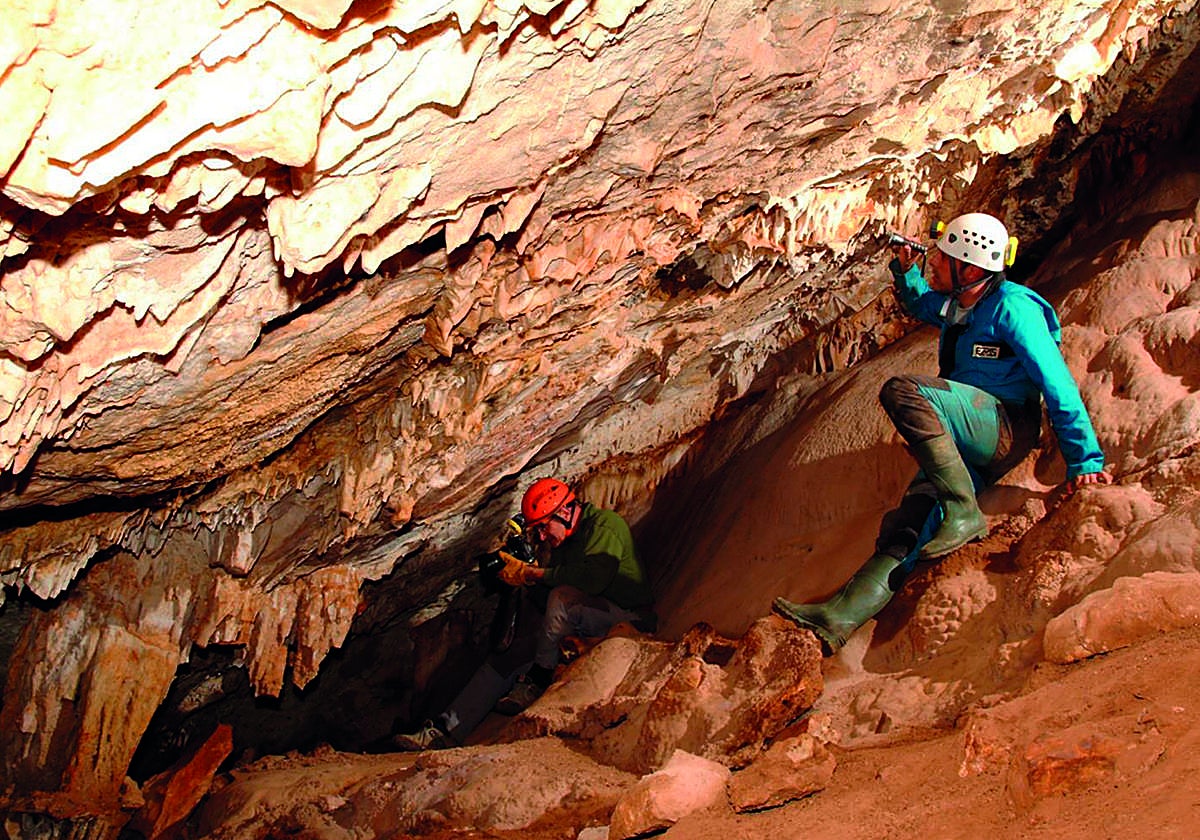
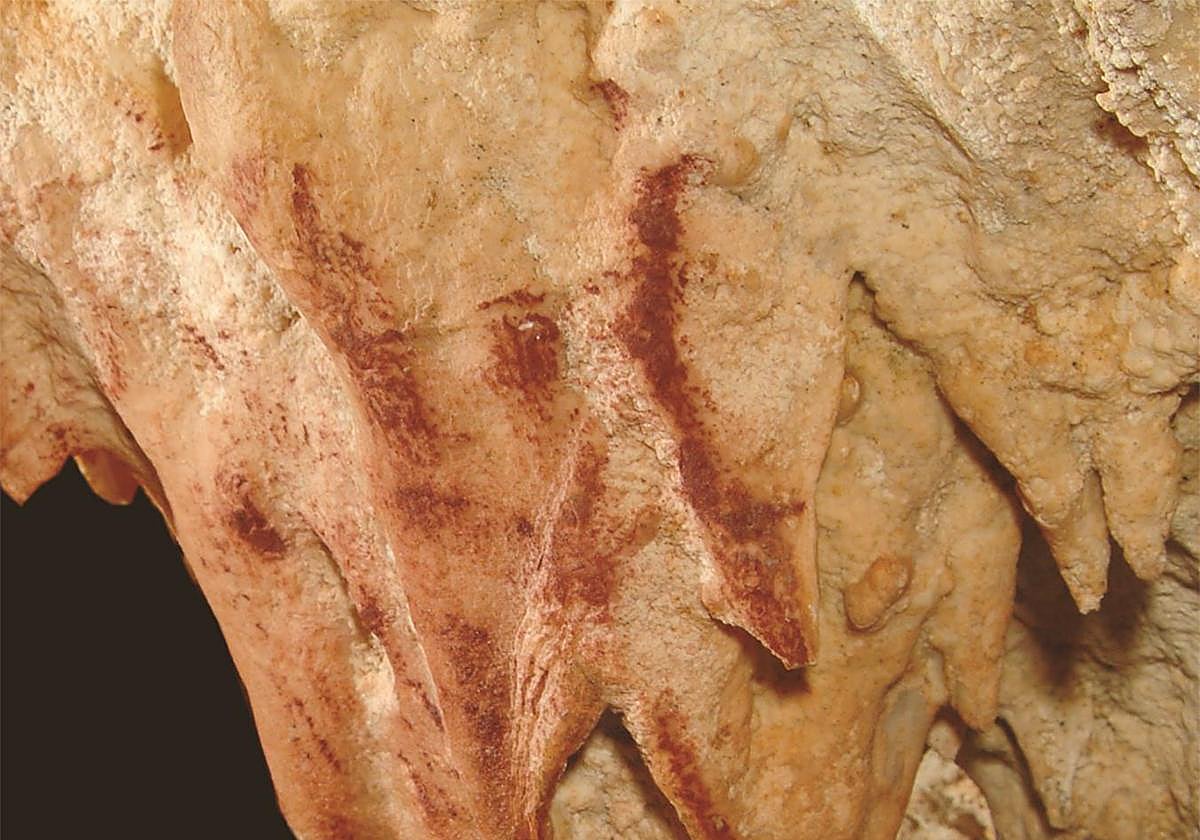
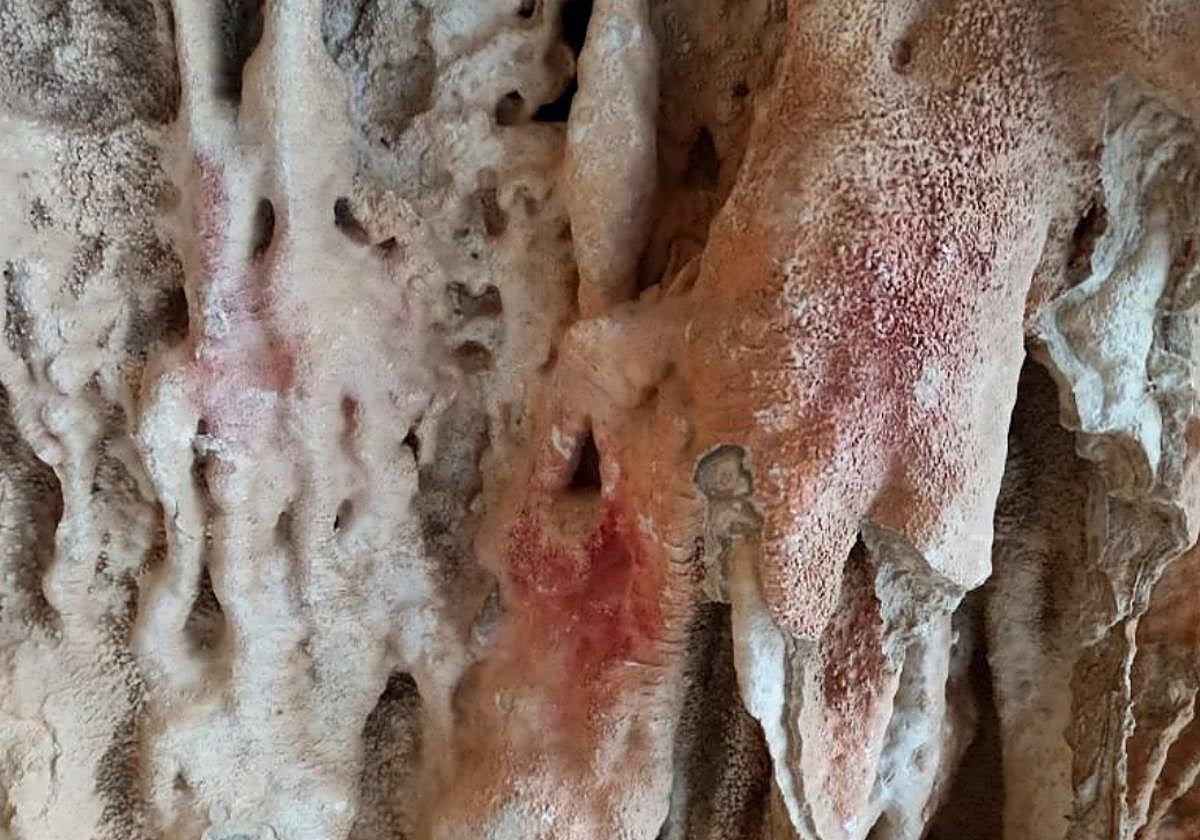
The discovery of a burial site and household goods, consisting of ornate vases, bracelets and a necklace, indicate that this cave was used for funerals in the Neolithic period. However, the painting on the cave wall dates back thousands of years prior. There aren't many paintings in this cave, but the findings are significant because of similarities to other caves, such as Ardales, with an art style that places it in a time period prior to the Gravetian symbolic art, consequently, dating back 25,000 years before recent prehistory. The focal point is a series of panels found in stalactites and stalagmites, made with red pigment applied with the fingertips. Some larger marks suggest the usage of the palm of the hand in addition to fingers. In another small column, a row of vertical dots can be seen.
1 /
9
Cueva del Gato
LLuPlace
Benaoján, Sierra de Benaoján
Visits
Publicly owned, but access is restricted because of environmental laws
Discovery
There have been references to the cave since the 18th century, as being inacessible, full of danger, and of legendary tales. In the 20th century, it was rediscovered as an archeological site
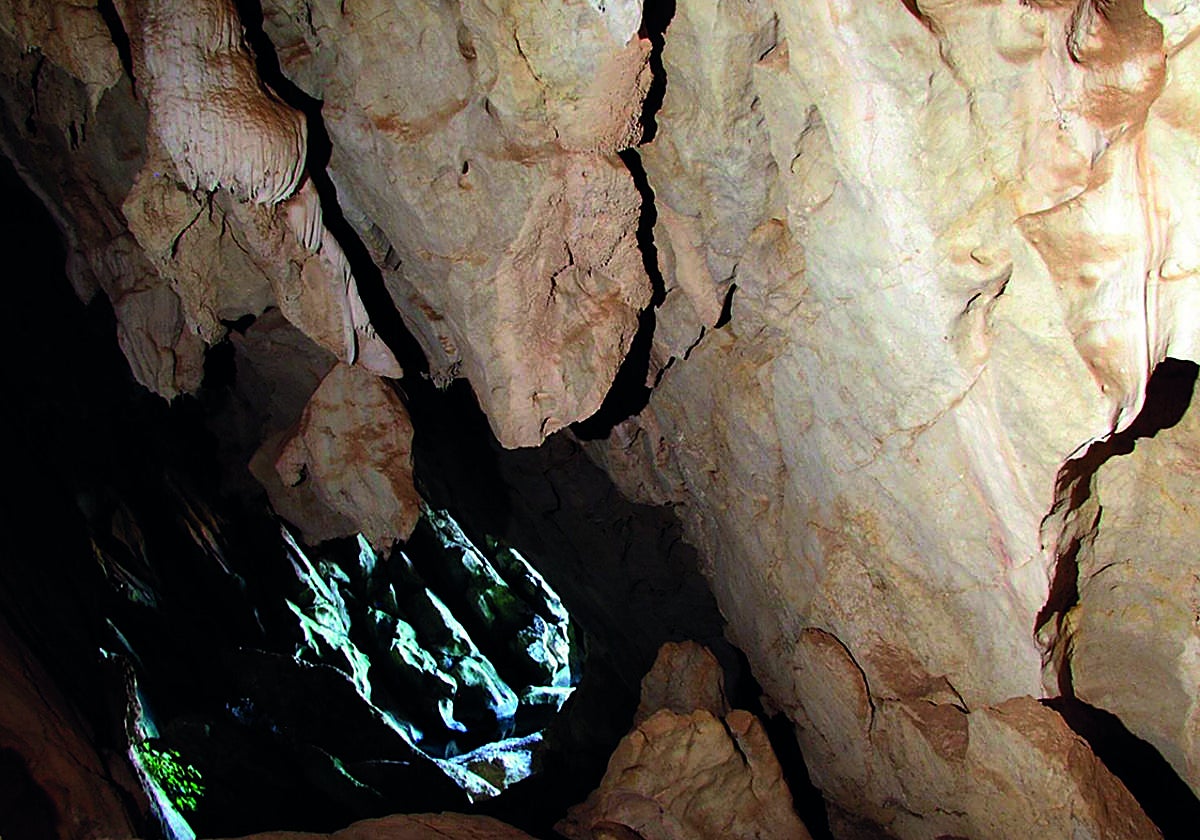
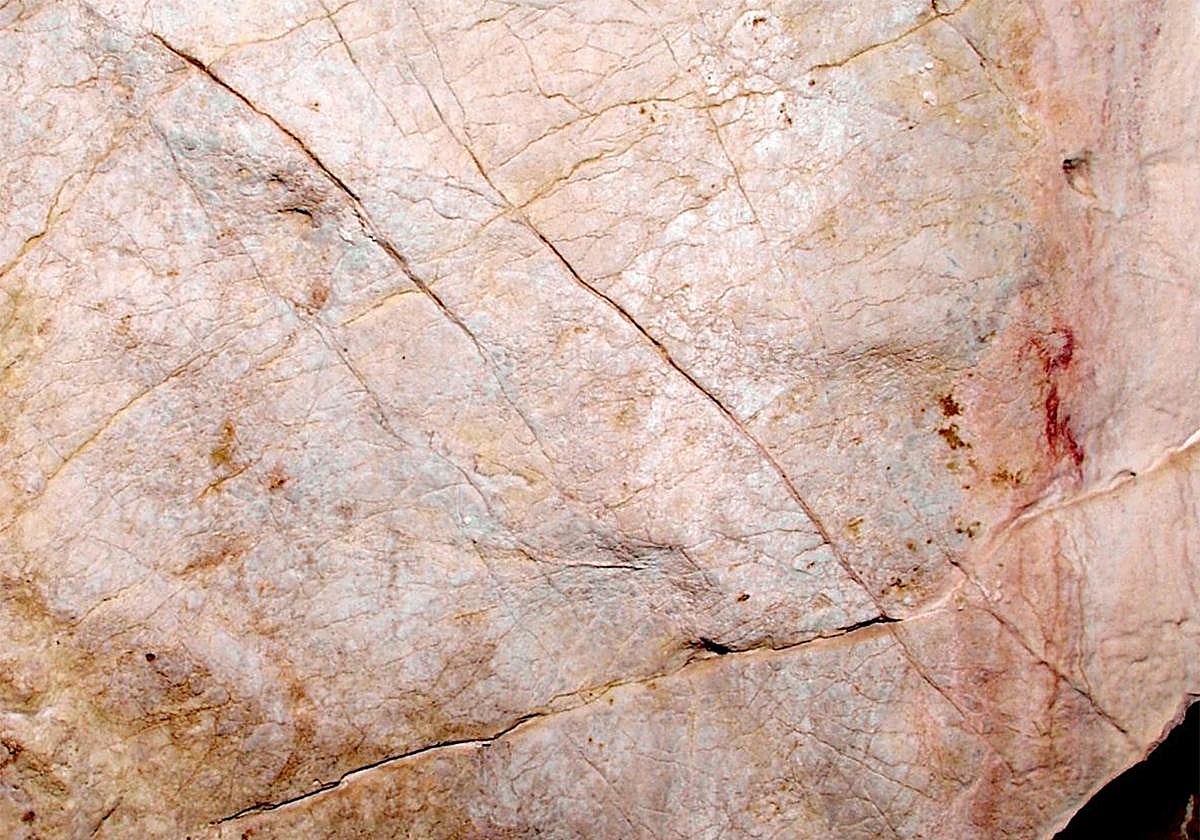
Its large entrance is one of the most recognisable images of the Serranía de Ronda, but very few know what's hidden inside this cave. There are only few cave paintings remaining, but they are very interesting. More than a metre and a half above the floor, at the end of the gallery, there is a deer figure, painted in yellow ochre. "It has large antlers, a large head and a broad chest", as described in the report that proposed the caves' candidacy for the World Heritage listing. What is striking is that just a few centimetres away, on the same panel, someone drew a red anthropomorph, a more recent painting from prehistoric times. "The symbols belong to completely separate periods, but the second one chose to paint on the same panel, spatially linking itself to the first piece in an intentional way", the report says. In a gallery closer to the entrance, there are also remains of red paint and many marks and black lines.
1 /
10
Cueva de las Suertes
LLuPlace
Antequera, Cuesta del Romeral
Visits
Privately owned, and no access
Discovery
At the end of 2021, they discovered a quarry that contained the remains of human bones and a series of ceramic pieces that date back to the Neolithic and Chalcolithic period. A later examination of the site revealed a panel with Paleolithic drawings
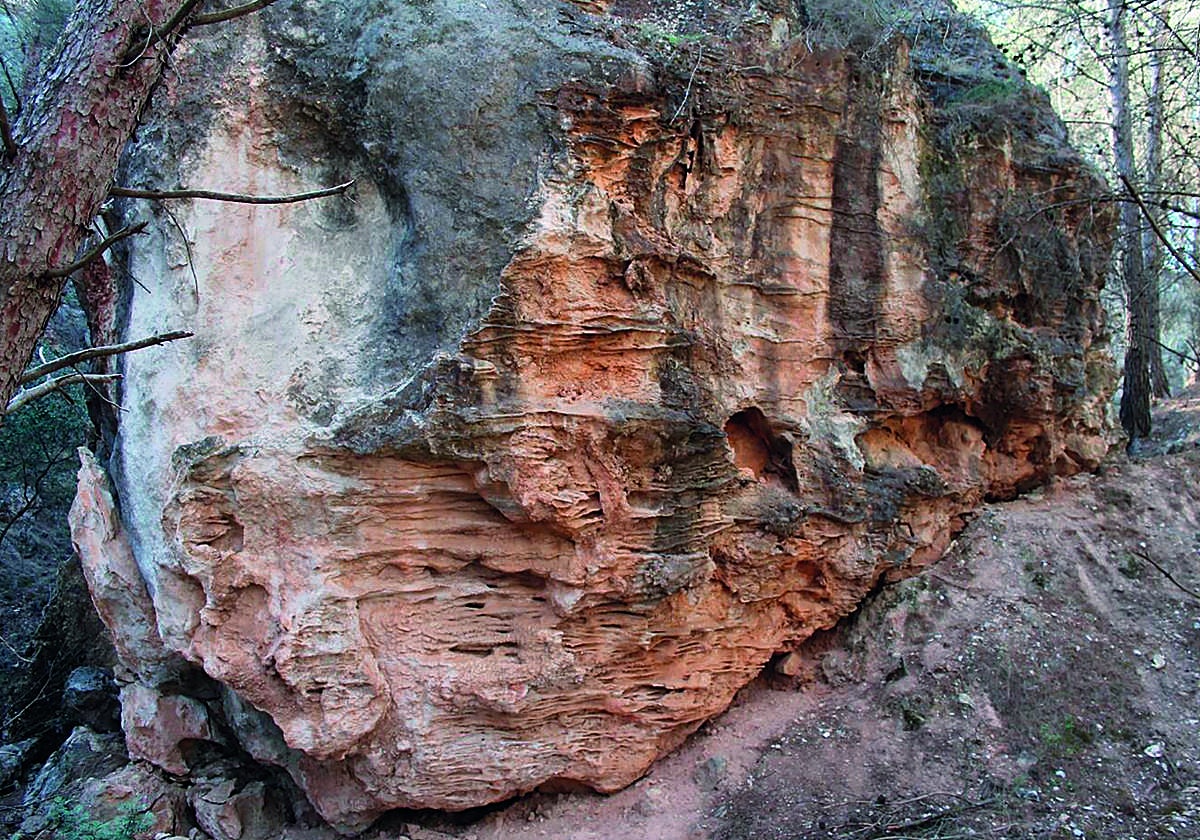
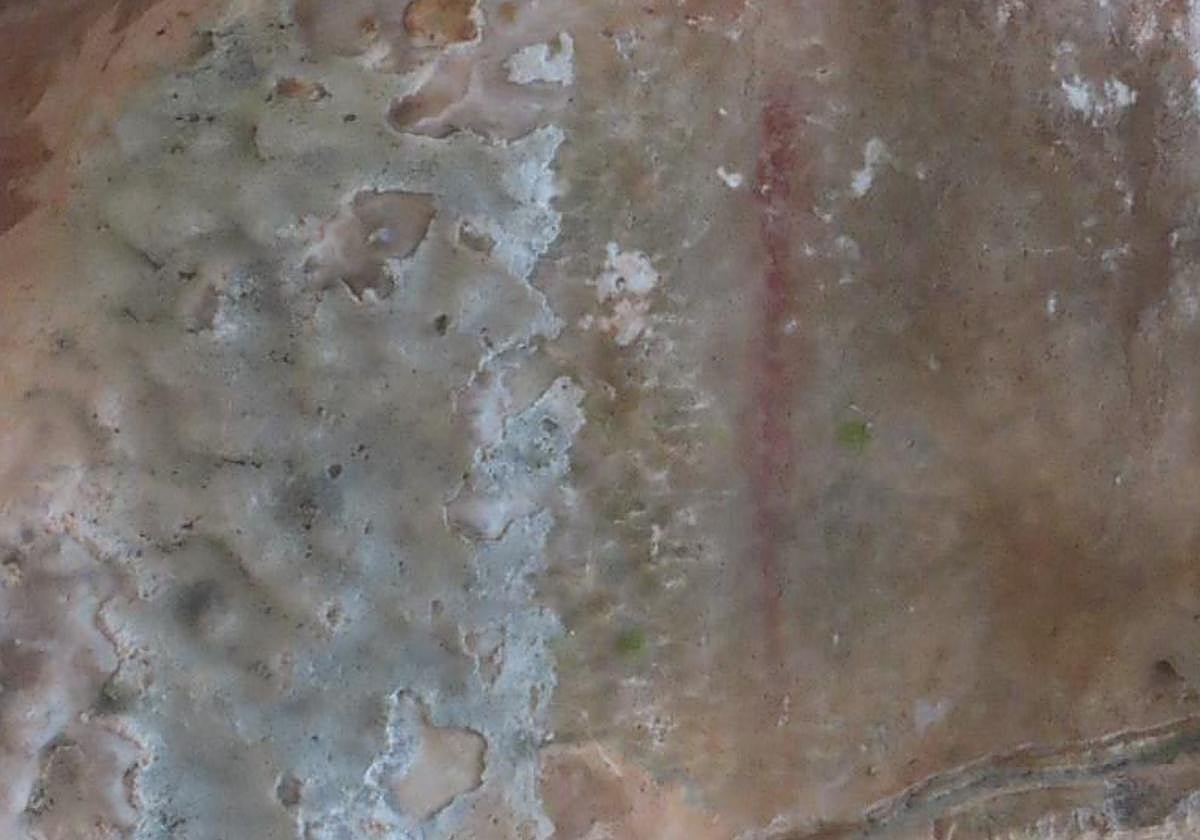
What has remained intact are the remnants of an ancient cave. The mining of a quarry front for the purpose of constructing the N-331, the popular Cuesta del Romeral highway, destroyed a large part of the cave. Researchers believe it must have been a medium-sized cavity with completely obscured areas and the remains found currently - studies are ongoing - illustrate that this place was inhabited during the Palaeolithic period. There are cave art remains painted in red haematite pigment, all of them in a single panel. Today, a block of stone can be seen moved from its original position as a result of the mining works. Several marks can be made out, along with traces of dots and finger marks blurred by the layer of carbonate film that covers them. A remarkable airbrush painting of a female vulva covers a section of the wall. In the upper part of the panel, a vertical line can be seen, and at another point, almost imperceptible to the human eye, there are bars, various dots or finger marks; symbols that date back to at least a little over 44,400 years ago.
1 /
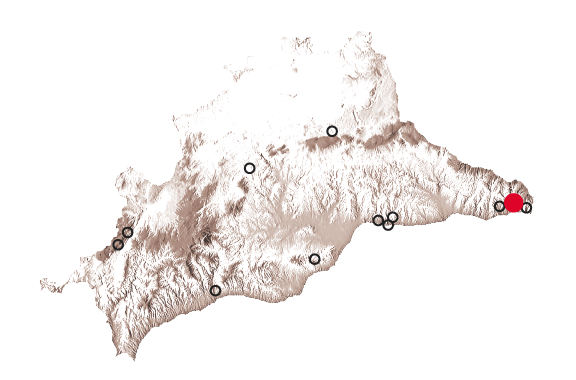
11
Cueva del Gallinero
LuLuPlace
Nerja, Río de la Miel
Visits
Privately owned and no access
Discovery
El Grupo Espeleológico Cueva de Nerja, the Andalusían potholing association, found the cave in August 2016, as part of its exploration of new caves. They claimed to find a new cave, discovered via word-of-mouth, located under an abandoned farmhouse
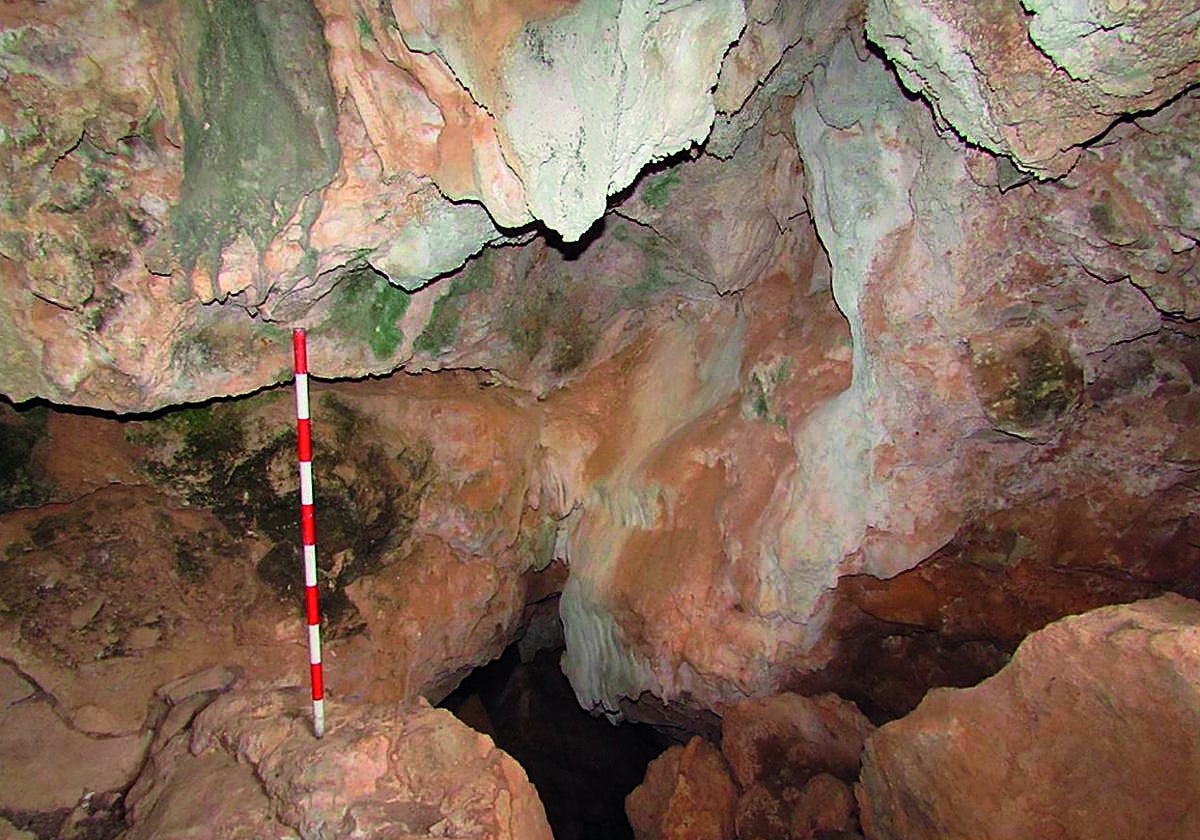
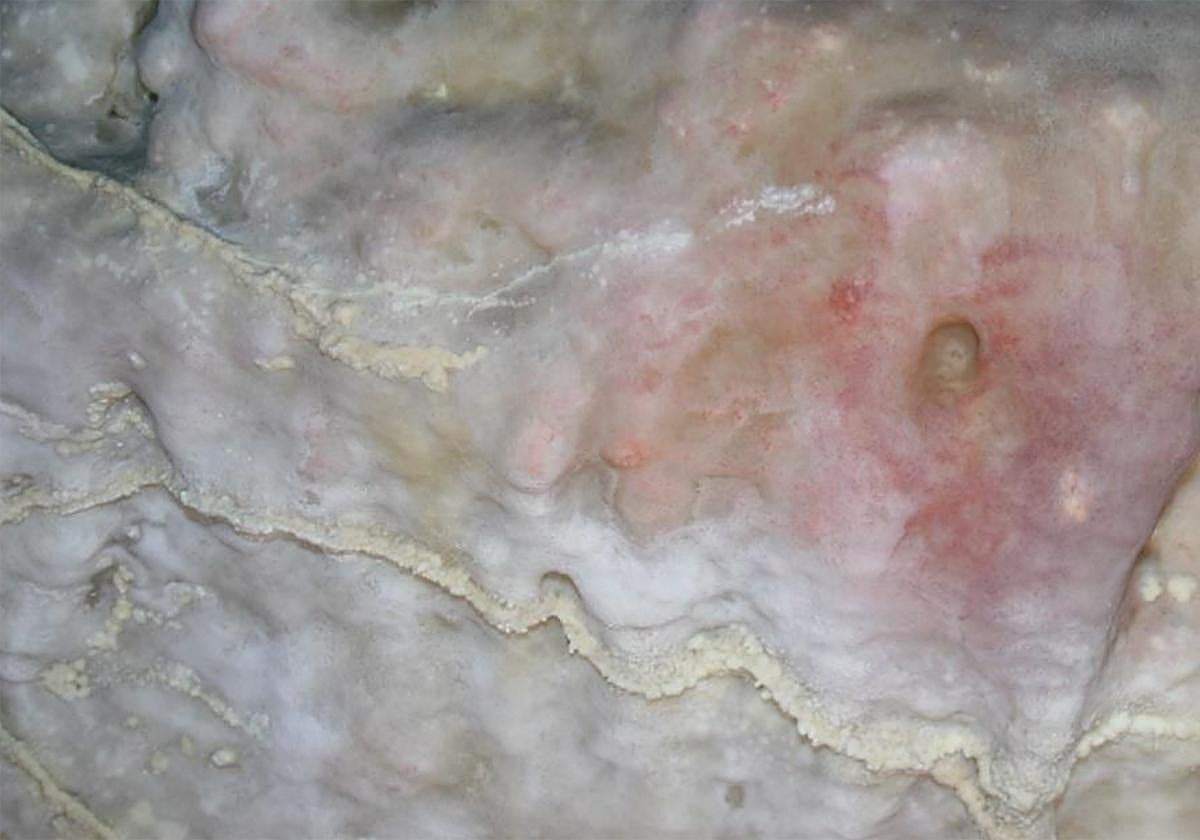
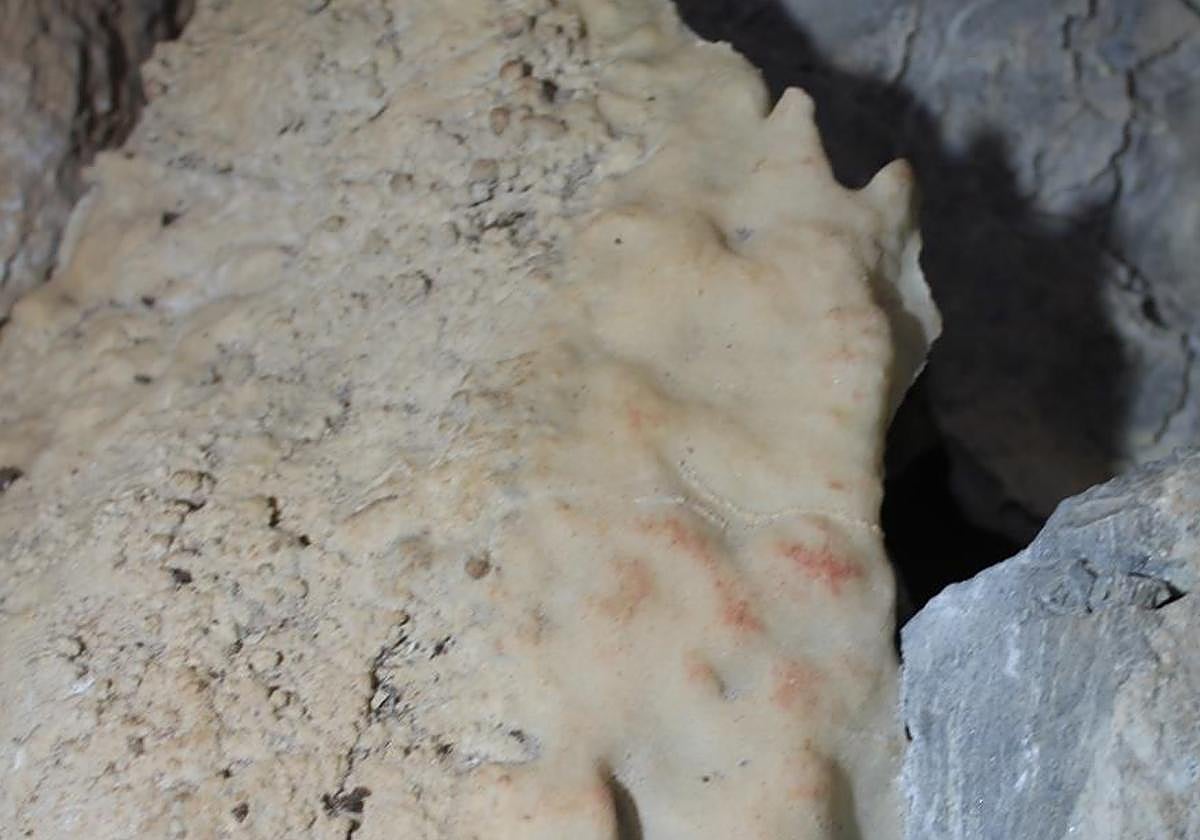
The Palaeolithic art can be found in a gallery known as the Sala de las Pinturas (Hall of Paintings). Disks and natural vulvar formations have been identified, represented by a characteristic airbrushed red pigment, stains and appliqués, and finger marks. A large part of the panel is on the floor of the cave, split into three large fragments. These illustrations, according to studies in other caves,are the oldest form of cave art, dating between 65,000 and 30,000 BC. In addition, at one end of the same room, evidence of stone engravings have been found. And, as in other places, two distinct historical eras coexist: red finger marks were discovered in a gallery very close to the Neolithic burial ground found in the cave.
1 /
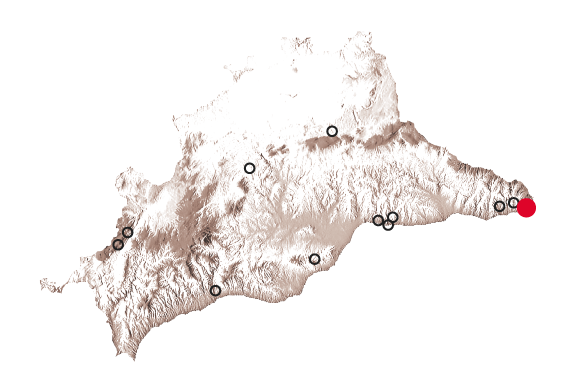
12
Cueva de la Doncella
Lugar
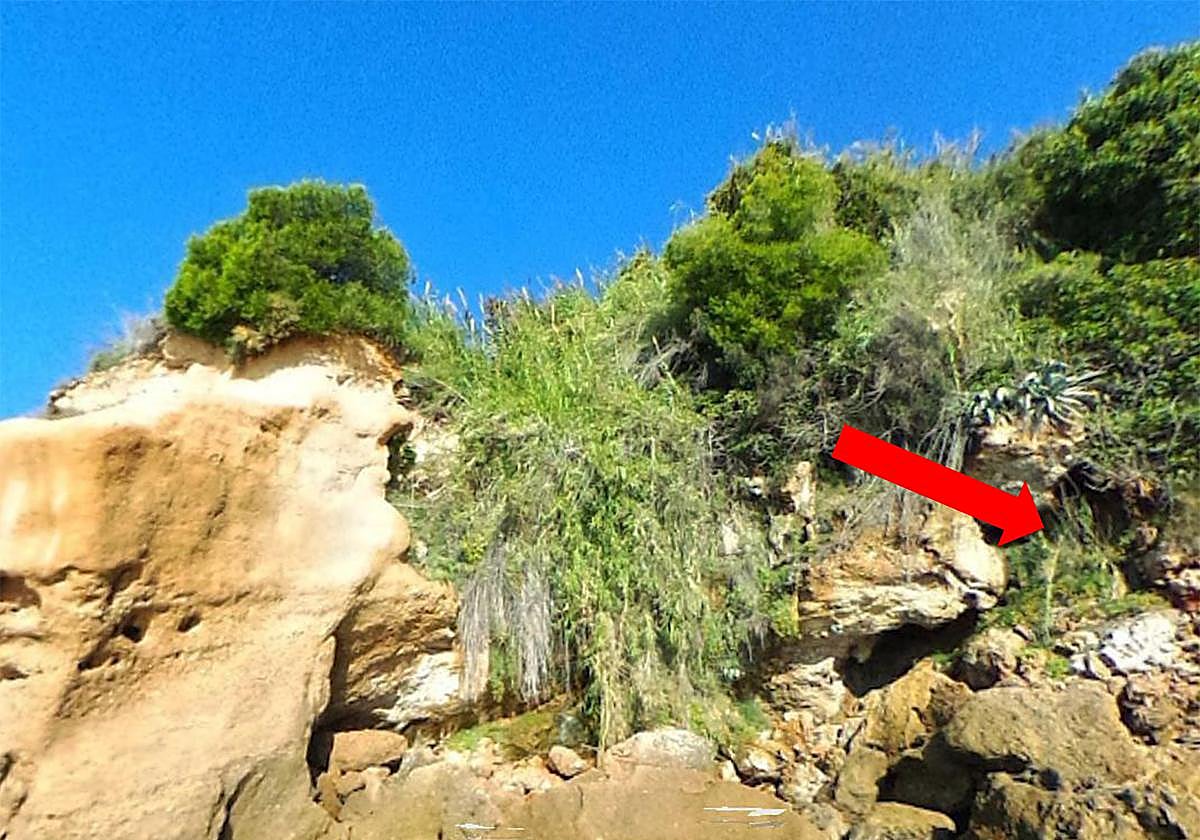
Nerja, Acantilados de Maro
Visits
Publicly owned, no access
Discovery
The cave was discovered by cave experts in the area. In the summer of 2016, in a trip recognising the espeological cave members, associated with the Nerja cave. There, they detected vestiges of paintings
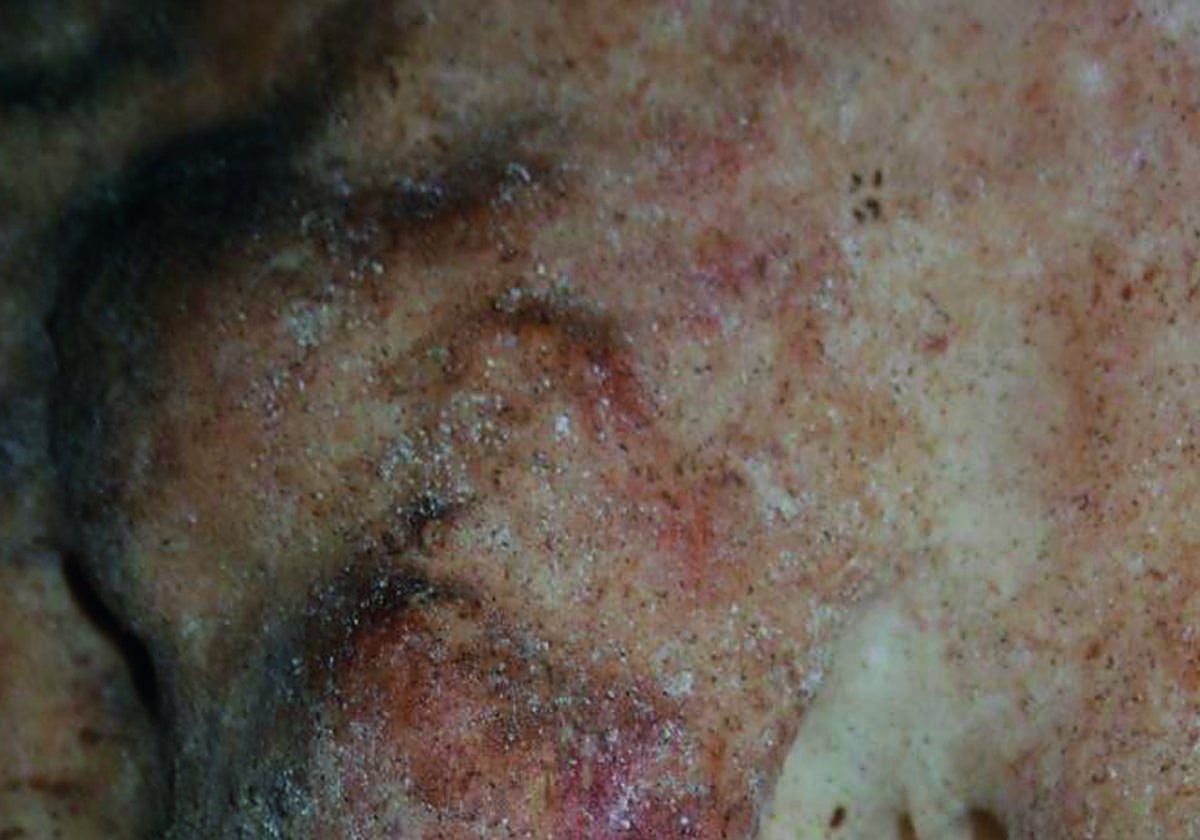
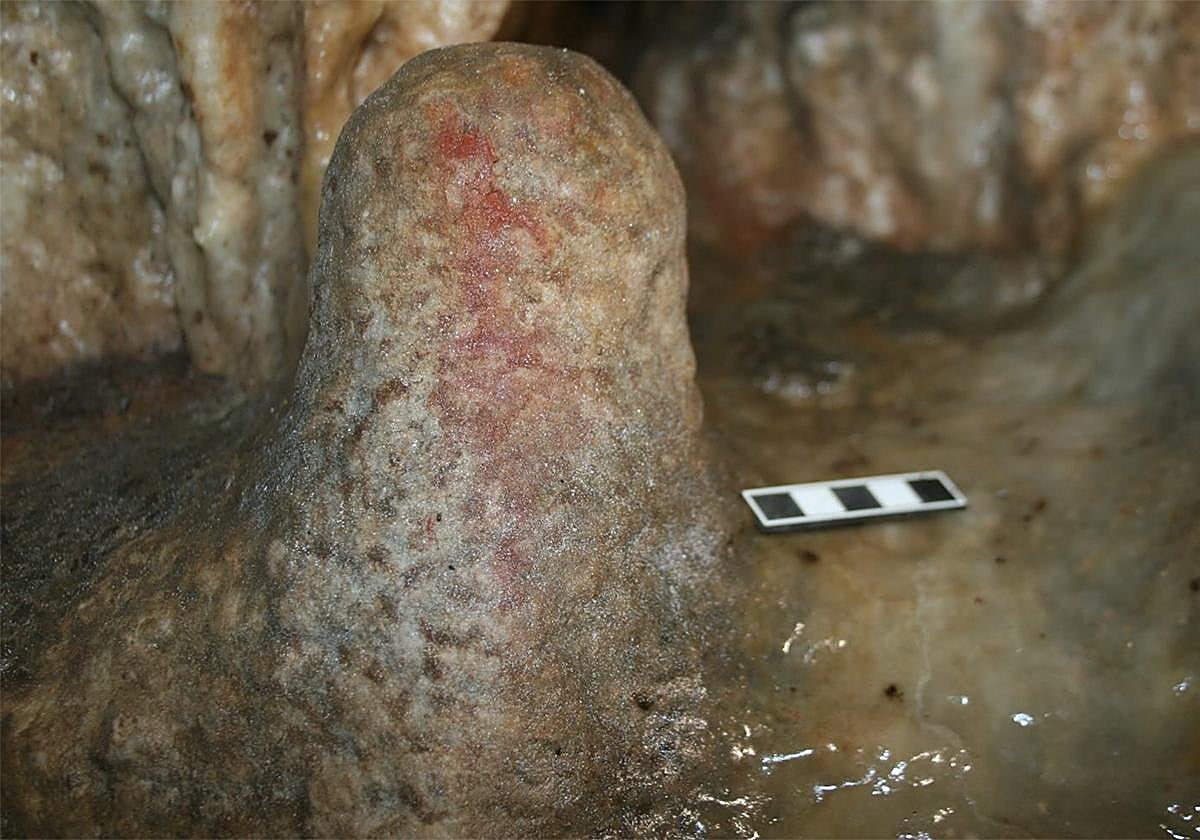
Located inside the cliff face of the marine, Maro, is the Cueva de la Doncella. According to initial assessments, here traces of humanity's earliest primitive art are found. On stalagmites, stalactites and some wall formations, stains and marks are made with red haematite dye, indicating that they were created between 65,000 and 30,000 years ago.
1 /
This tour was done based on the candidacy proposal for Cuevas Decoradas del Paleolítico malagueño, as a cultural heritage site for Unesco, initiatedby those responsible for the research and conservation of the caves of Nerja and Ardales. The team are: Luis Efrén Fernández, Pedro Cantalejo, Yolanda del Rosal, Cristina Liñán, María del Mar Espejo y Manuel Corrales
¿Tienes una suscripción? Inicia sesión