
Environment
Unesco approves Sierra de las Nieves Biosphere Reserve expansion into Benahavís and Igualeja
The revised boundary adds almost 5,000 hectares and aligns the protected area with changes introduced after the creation of the National Park
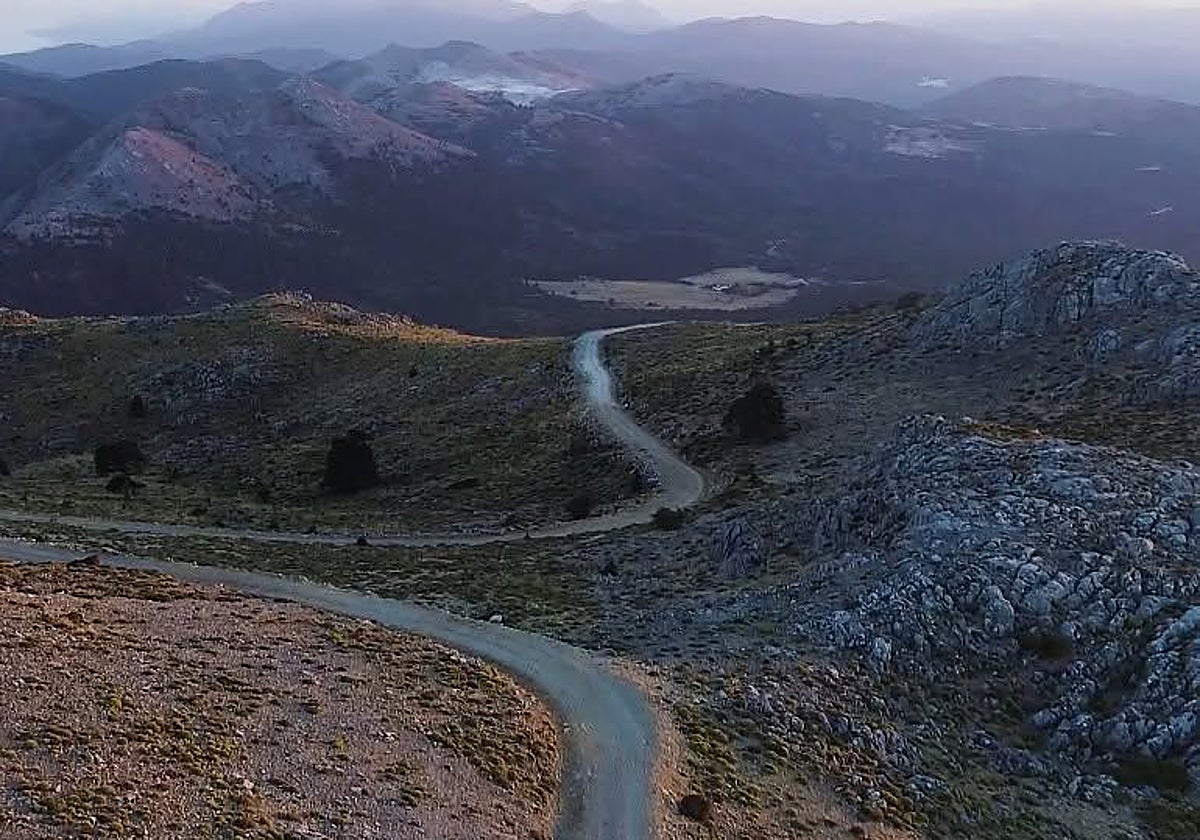

The Sierra de las Nieves Biosphere Reserve has been expanded by almost 5,000 hectares following Unesco approval, with the revised boundaries incorporating an additional ... 4,878.27 hectares in the Malaga municipalities of Benahavís and Igualeja.
The decision was adopted by the International Coordinating Council of Unesco's Man and the Biosphere (MaB) Programme during a meeting in Paraguay. The expansion increases the reserve's total protected area to 98,105.78 hectares.
The reserve now extends across 14 municipalities in Malaga province: Alozaina, Benahavís, Casarabonela, El Burgo, Guaro, Igualeja, Istán, Monda, Ojén, Parauta, Ronda, Serrato, Tolox and Yunquera. Together, the area is home to around 66,000 people and includes urban settlements, forest land, traditional rural activities and zones with the highest levels of environmental protection.
Related story
-
Hiking in Malaga
Javier Almellones
The expansion concludes a technical and participatory process led by the Andalusian regional government's Department of Sustainability and Environment and the Mancomunidad (association of municipalities) of the Sierra de las Nieves.
The aim was to adapt the reserve's structure to the territorial and legal reality that emerged following the declaration of the Sierra de las Nieves National Park in 2021.
Reorganisation of space
The update is not just about adding more hectares; it also reorganises the reserve into three zones: core, buffer and transition.
The Core Zone, which contains the area's most valuable environmental assets, has been increased to 22,979.76 hectares and now coincides entirely with the Sierra de las Nieves National Park. Human activity in this area is largely restricted to conservation, research and environmental education.
Surrounding it is the Buffer Zone, covering 44,046.07 hectares. Made up mainly of forestry land and low-impact protected areas, it serves as a transition between the most environmentally sensitive areas and traditional sustainable land uses.
The Transition Zone remains unchanged at 31,079.95 hectares and includes population centres and much of the local economy, including agriculture, livestock farming, rural tourism and other activities linked to the territory.
High-value environmental area
Unesco's approval reinforces the Sierra de las Nieves' position as one of Andalucía's leading environmental areas. The region was designated a Biosphere Reserve in 1995 and later achieved National Park status, a goal long supported by local communities and public administrations.
The Mancomunidad said the latest development strengthened a decades-long commitment to balancing the protection of natural and cultural heritage with the socio-economic development of local communities. It added that the new boundaries would allow the reserve to be managed more efficiently and more accurately reflect the current reality of the territory.
According to the organisation, the additional hectares in Benahavís and Igualeja strengthen connections between areas of high ecological value, while the alignment of the Core Zone with the National Park makes it easier to identify permitted uses across the protected area.
The revised boundaries create a biosphere reserve that more closely reflects the landscape that emerged after the National Park's creation, while providing a clearer distinction between areas dedicated to conservation, environmental buffering and everyday economic activity. The challenge for the next phase will be to maintain international recognition while ensuring environmental protection remains compatible with life in the region's municipalities.
![[]](http://static.vocstatic.com/voc26/latest/assets/images/favicon/surinenglish/apple-touch-icon-57x57.png)