
Culture
Ronda gears up for its Romántica festival this weekend with a special tribute from Grazalema - here is what to see and when
This festival celebrates the bandit era and runs from 29 to 31 May, with the Alameda returning as its main stage, featuring colourful parades, a market, flamenco music and dance, folklore and lots of activities for the children
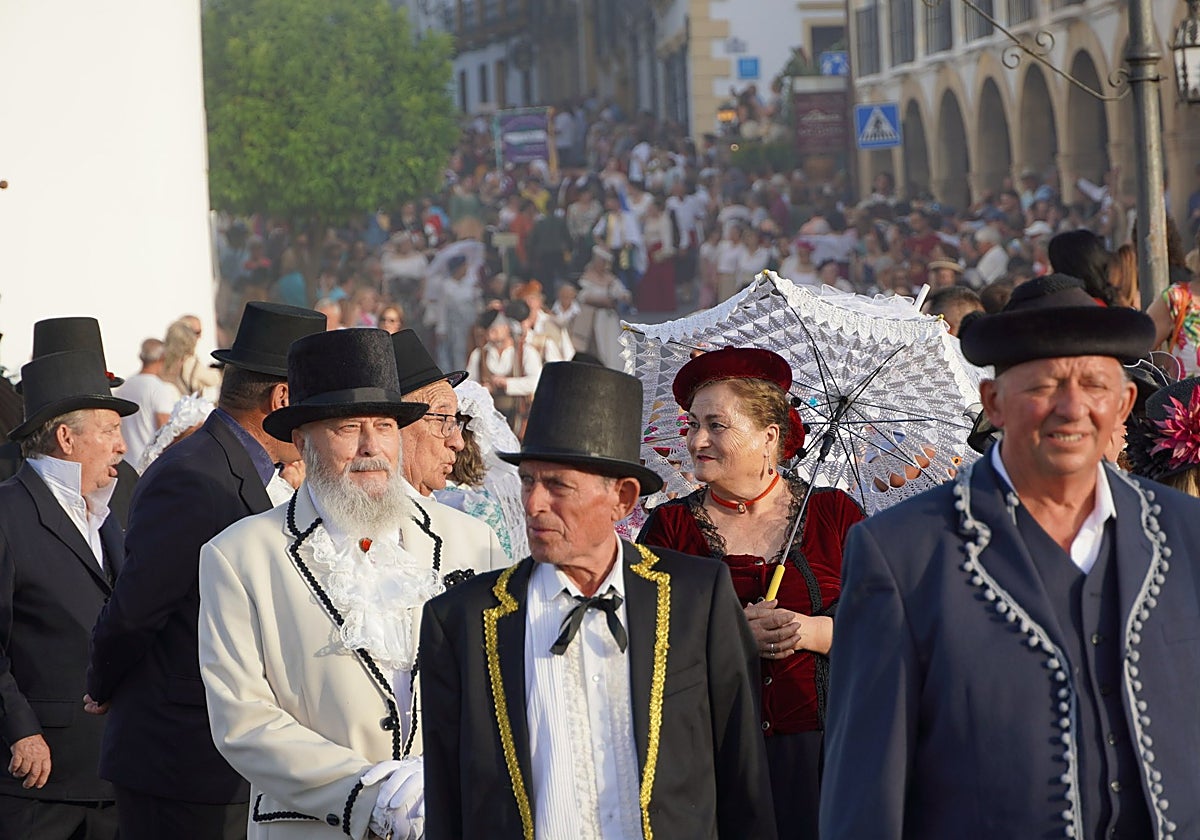

The Malaga town of Ronda will once again don the attire of bandits, romantic travellers, muleteers, majas (local female gentry), serranos (mountain folk) and other ... 19th-century characters during the last weekend of May.
From 29 to 31 May, this historic town will celebrate a new edition of Ronda Romántica, a historical re-enactment of the romanticism period, now in its 12th year. This year's festival will feature two key elements: the return of the Alameda del Tajo as the main stage for the festivities (the main street running parallel to the precipice on which the town sits) and a special tribute to Grazalema, the town in Cadiz province with which Ronda forged closer ties following the devastating storms that forced an evacuation of all Grazalema and brought many to Ronda.
The programme will include historical re-enactments, street parades, flamenco music and dance, traditional Spanish song (copla), local folk music, film screenings, a 'romantic' market, horses, carriages and children's activities.
The main stage will be located in the Alameda del Tajo, opposite the Pedro Romero monument, although there will also be activities on the balconies along the Alameda and on the Paseo de Blas Infante.
The festivities will kick off on Friday 29th with one of its most anticipated events: the romantic street parade, which will depart at 7.00pm from the Ruedo Alameda, in the San Francisco district, with the participation of associations, groups, individuals and representatives from municipalities in the surrounding area.
In the morning, at 12.30pm, it will be the turn of the children's parade, in which schoolchildren from the town will parade in period costume from Avenida Martínez Astein down to the Alameda.
One of the changes this year will be the 12th fashion show, taking place on Saturday 30 May at 11.30am as part of the festive weekend. The event is open to all residents of Ronda and the surrounding area who wish to show off their period costumes on the Alameda stage.
The fashion show will also be linked to a romantic costume competition aimed at promoting the proper use of traditional dress. There will be three prizes of 300, 200 and 100 euros for the best outfits, as well as a prize draw for two tickets to the LA Organic olive oil mill, including an olive oil tasting experience.
The folklore of the Serranía de Ronda mountain range will also play a prominent role. The Abul-Beka folkloric association will open the show with a performance highlighting their research and recovery of traditional pieces from the Serranía.
On the same Saturday, at 1.00pm, the Juan Navarro folk group from Torremolinos will perform on the balconies of the Alameda, with dances, songs and traditional dress from all eight Andalusian provinces.
On Sunday, from 1.30pm onwards, the Seville-based group Bailando con la historia ('dancing with history') will return, performing 19th-century dances and aristocratic-style attire.
Flamenco will be another of the mainstays of the programme. The XII Encuentro Flamenco de los Cantes de Ronda concert round will begin on Friday night with Manuel Rueda 'El Niño de Peñaflor', accompanied on guitar by Ismael Rueda.
On Saturday it will be the turn of Iván Chasquío and Antonio Reyes, who will perform with his son Nono Reyes on guitar. Peralta stressed the importance of flamenco's presence in historical reenactments of this kind, especially in a town with its own distinctive flamenco styles. He also noted that the singers have been asked to include a rondeña-style song in their repertoire.
The copla will also have its space with a new edition of Abanico de coplas. On Saturday, the group Entre amigos will present 'Coplas y romances', with Martha Pérez and Ainhoa Pérez, accompanied by Curro Bautista on piano, Roberto Spano on guitar and José María Tornay narrating ballads, with a special appearance by Faustino Peralta. Later, Rocío Guerra, known for her participation in television competitions, will perform.
Grazalema
One of the most symbolic moments will happen on Saturday night with 'Taberna bandolera' ('the bandits' tavern'), a show that the town of Grazalema has gifted to Ronda, starring the young singer Nora López, accompanied by Grazalema's association of bandits. The event will serve as a tribute to this municipality, with which Ronda has strengthened its ties after welcoming residents following their forced evacuation because of storm damage.
Last, but not least in this programme of events is the 'romantic' market, featuring food stalls, crafts, brotherhoods, taverns and villages, a parade of horses and carriages along the route between Plaza de España, Virgen de la Paz, La Merced, Calle Jerez and San José, plus several film screenings linked to Ronda's romantic imagery, including different versions of Carmen.
![[]](http://static.vocstatic.com/voc26/latest/assets/images/favicon/surinenglish/apple-touch-icon-57x57.png)