
Environment
Andalucía invests over seven million euros to maintain 125 kilometres of livestock tracks in Malaga province
The environment department manages the most extensive network of livestock and agricultural tracks in Spain, with enhancement projects in municipalities such as Alhaurín de la Torre
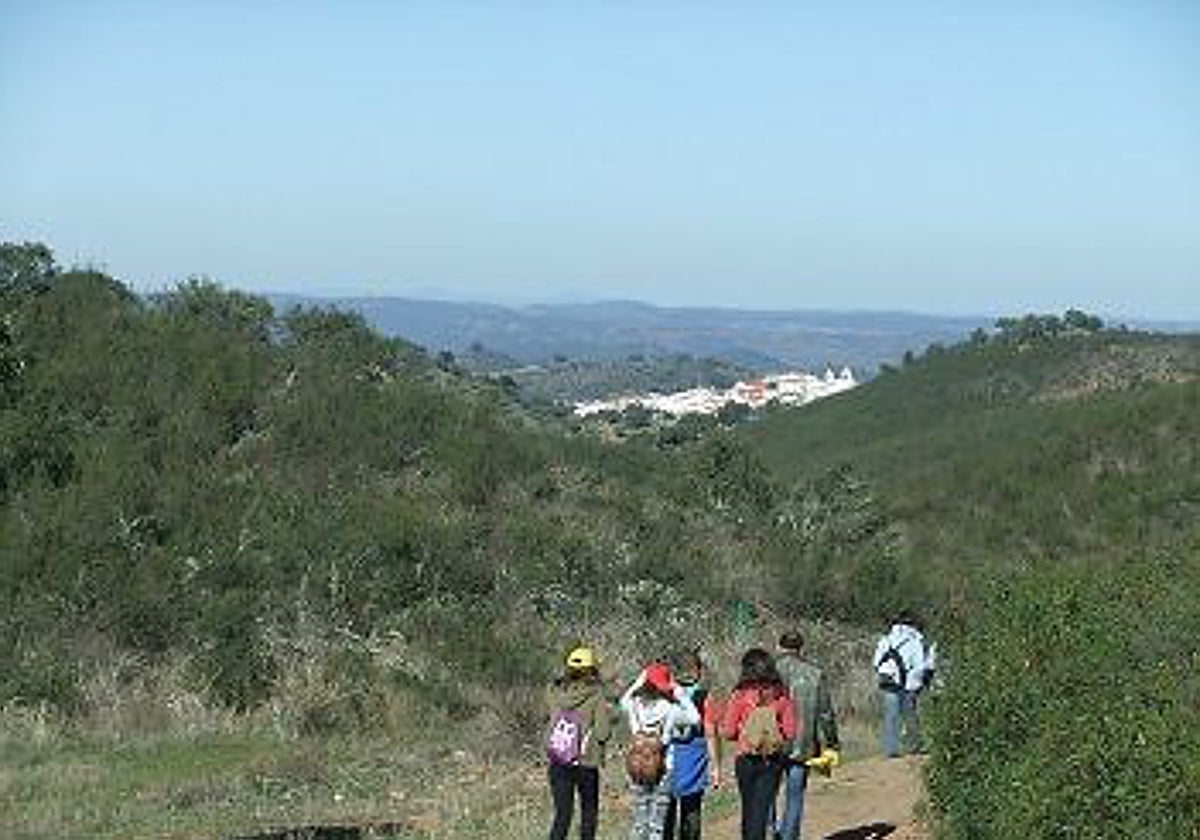

Alhaurín de la Torre
Malaga province has carried out improvement works across 125 kilometres of livestock tracks since 2019, at a cost of 7.1 million euros. The province ... has worked on various projects to upgrade and modernise its share of the "green infrastructure network of Andalucía".
Malaga plays a key role in ecological connectivity, territorial cohesion and the sustainable development of rural areas in Andalucía, which has allocated nearly 88 million euros to the restoration of these routes.
Among the projects in Malaga, one covers the Colada de las Minas in Alhaurín de la Torre. Its aim was to improve access to the public woodlands in the area and to the water reservoir Infoca firefighters use.
The project, with a budget of 200,000 euros, co-financed by the European EAFRD funds, as well as having practical uses, also helps maintain a traditional route in good condition for the visitors of the La Mezquita y Puerto Blanquillo route.
The national network of livestock trails comprises more than 125,000 kilometres of transhumant and agricultural livestock routes that form the backbone of the Spanish territory.
Of this total, Andalucía accounts for more than a quarter, with a length of 32,684.19 kilometres, representing 26.5 per cent and covering an area of approximately 112,500 hectares. No other region reaches these figures.
The second-largest region in terms of length, Castilla y León, has 28,479 kilometres and 86,100 hectares, which highlights the unique scale of Andalucía's livestock heritage.
This extensive network comprises 5,156 livestock tracks that cover virtually the whole of Andalucía, from open countryside and pastureland to mountain ranges and areas of high environmental value.
For decades, a significant proportion of these public paths fell into disuse and disrepair, which affected both their traditional function of livestock farming and their environmental, social and recreational potential.
According to regional minister of the environment and sustainability Fina Martínez, the measures have had a balanced impact across the whole region. "Each one addresses the needs of the area and aims to ensure the conservation and public use of these routes, based on technical and functional criteria," she says.
In addition to the work in Malaga, the regional government has improved 243 kilometres of livestock tracks in the province of Almeria, with a budget of 6.3 million euros; 239 kilometres in Cadiz, with 13.3 million euros; 127 kilometres in Cordoba, with eleven million euros; 143 kilometres in Granada, with 8.1 million euros; 327 kilometres in Huelva, with 12.6 million euros; 312 kilometres in Jaén, with 11.5 million euros; and 336 kilometres in Seville, with 17.7 million euros.
Heritage
Livestock routes play a strategic role in rural Andalucía. They facilitate agricultural and livestock activities, contributing to the sustainable development of villages.
At the same time, they constitute a natural heritage of the highest order, playing an essential role in land-use planning and in connecting ecosystems, promoting the movement of species, fire prevention and the continuity of ecological corridors.
These public paths also encourage recreational use and the responsible enjoyment of the natural environment, while helping reduce noise and air pollution in rural areas by prioritising unpaved green routes.
Their restoration also helps preserve traditions deeply rooted in Andalusian identity, such as the pilgrimage and procession routes that form part of such iconic celebrations as El Rocío or the pilgrimage to the Virgen de la Cabeza, popularly known as La Morenita de Andújar.
![[]](http://static.vocstatic.com/voc26/latest/assets/images/favicon/surinenglish/apple-touch-icon-57x57.png)