
Health
'One of the challenges faced at the end of life is discussing it with family'
SUR in English spoke to Professor John Ellershaw - one of the world's leading authorities on improving end-of-life care - about the fears people face, and what changes he hopes to see in the future in healthcare systems
Tony Bryant
Patients and their families often experience significant emotional and psychological challenges after receiving a terminal illness diagnosis, as well as when confronting the need for palliative care. Many people associate palliative care with death, which can lead to fears surrounding pain, loss and the difficulty of finding meaning and purpose in the time they have remaining.
According to the Spanish society for palliative care (SECPAL), around 300,000 to 370,000 people in Spain need palliative care each year: around 2,000 of these are in the province of Malaga and many are cared for at the Cudeca Hospice in Benalmádena.
SUR in English spoke to Professor John Ellershaw - one of the world's leading authorities on improving end-of-life care - about the fears people face, and what changes he hopes to see in the future in healthcare systems.
Related story
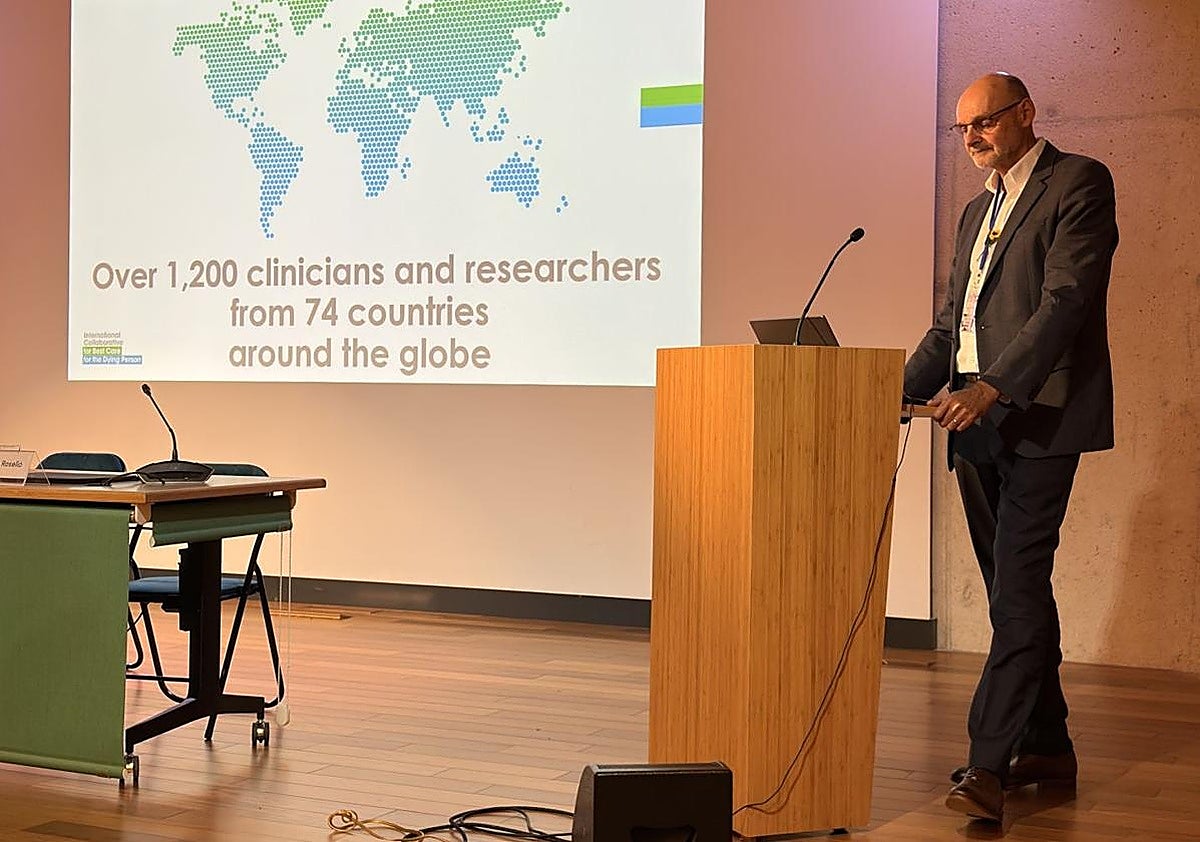
Professor Ellershaw, who attended the International Collaborative for Best Care for the Dying Person held at the Cudeca Research Centre last week, has contributed to the advancement of specialist palliative care services in Liverpool since 1994, when he was appointed as Clinical Director for Specialist Palliative Care at the Royal Liverpool and Broadgreen University Hospitals.
How do you explain the difference between palliative care and end-of-life care to patients and families?
In general, palliative care is associated with the last year of life, whereas end-of-life care is associated with the last days and hours of life.
What are the biggest emotional and psychological challenges patients face after diagnosis?
The biggest challenges patients face after receiving a serious diagnosis depends very much on the individual, but often include fear of pain, fear of becoming dependent and losing control, finding appropriate ways to discuss their situation with family and friends, the challenge of understanding and accepting the concept of a life-limiting illness and finding meaning in the time remaining to them.
How is paediatric palliative care different from adult palliative care in practice and philosophy?
In general, paediatric palliative care is focused on children with life-limiting diseases, which often have a trajectory of years, whereas adult palliative care is focused on individuals with a life-limiting disease with a trajectory of months. Therefore, the approach and services necessary to support paediatrics and adults need to be tailored to the needs of the patients.
What are the biggest misconceptions patients and families have when they first hear the term palliative care?
Patients often associate palliative care with death and dying, although some have had positive experiences of friends and family whose care has been supported by palliative care services. Once patients have connected with palliative care services, they often say they would have liked to have accessed the services earlier, as in general it leads to better symptom control and better support for patients and families.
How do cultural, spiritual or religious beliefs influence palliative care decisions?
For each individual, the cultural, spiritual and religious beliefs need to be explored in the context of what the individual prioritises and wishes for their future care. These aspects of individuals' lives should be taken into consideration in communication and decision-making.
What are the most difficult conversations you regularly have with patients or families?
Difficult conversations include breaking bad news about diagnosis and prognosis, dealing with unrealistic expectations from a patient and managing collusion when the relatives expressly ask for information not to be given to the patient.
What do you wish more people understood about living well while facing serious illness?
It would be helpful if more people understood the concept of palliative care, with its philosophy of enabling people to live until they die, through good symptom control and support for themselves and members of their family.
How do you support caregivers who are overwhelmed?
Support can be provided to caregivers in a number of ways: through increasing care at home, both with paid staff and with volunteers; to encourage a patient to attend day services so there is some respite for the carer; and, if necessary, for admission of a patient to a palliative care service, both to support the patient and to give the carer some relief from their caring duties.
How has palliative care evolved in recent years, and what changes do you still hope to see in healthcare systems?
Across western Europe, the ageing population with multiple comorbidities has led to the development of palliative care over the past decades and its integration into mainstream healthcare systems. Increased resources and palliative care provision would improve patients' quality of life and ensure healthcare spending was focused appropriately.
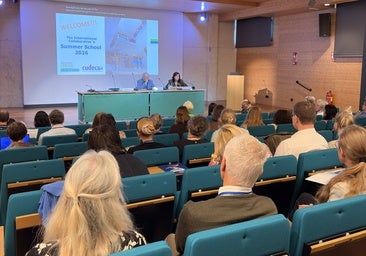
The Cudeca Institute for Palliative Care Studies and Research hosted the 2026 edition of the International Collaborative for Best Care for the Dying Person Summer School last week. Recognised as one of the most significant international scientific gatherings dedicated to improving care during the final days of life, this initiative was founded in 2014 and involves a global network of clinicians and researchers.
Held at the Yusuf Hamied research centre in Benalmádena, the initiative had the participation of some of the most influential international voices in palliative care. Joining Professor John Ellershaw, were Professor Agnes van der Heide from Erasmus University Rotterdam, a prominent European researcher involved in international initiatives; Professor Naveen Salins, Director of Research at Manipal Academy of Higher Education in India and a specialist in palliative care within highly complex healthcare environments; and Professor Carl Johan Fürst from Lund University, a distinguished clinical and academic researcher.
The opening ceremony was chaired by Dr Yusuf Hamied, a benefactor of Cudeca whose mission focuses on advancing education, research and global access to scientific and healthcare knowledge, with a particular emphasis on palliative care.
Three thematic areas
The programme was structured around three thematic areas, with plenary sessions and parallel workshops. These included the 10/40 Model for the best end-of-life care, sessions dedicated to the iLIVE project, and workshops on the involvement of bereaved family members to enhance care quality and the development of volunteering services.
![[]](http://static.vocstatic.com/voc26/latest/assets/images/favicon/surinenglish/apple-touch-icon-57x57.png)