
Crime
Malaga-based network that promised lottery prizes of up to 600,000 euros dismantled
The defendants, operating from a flat in Benalmádena, used documents that appeared to come from official bodies
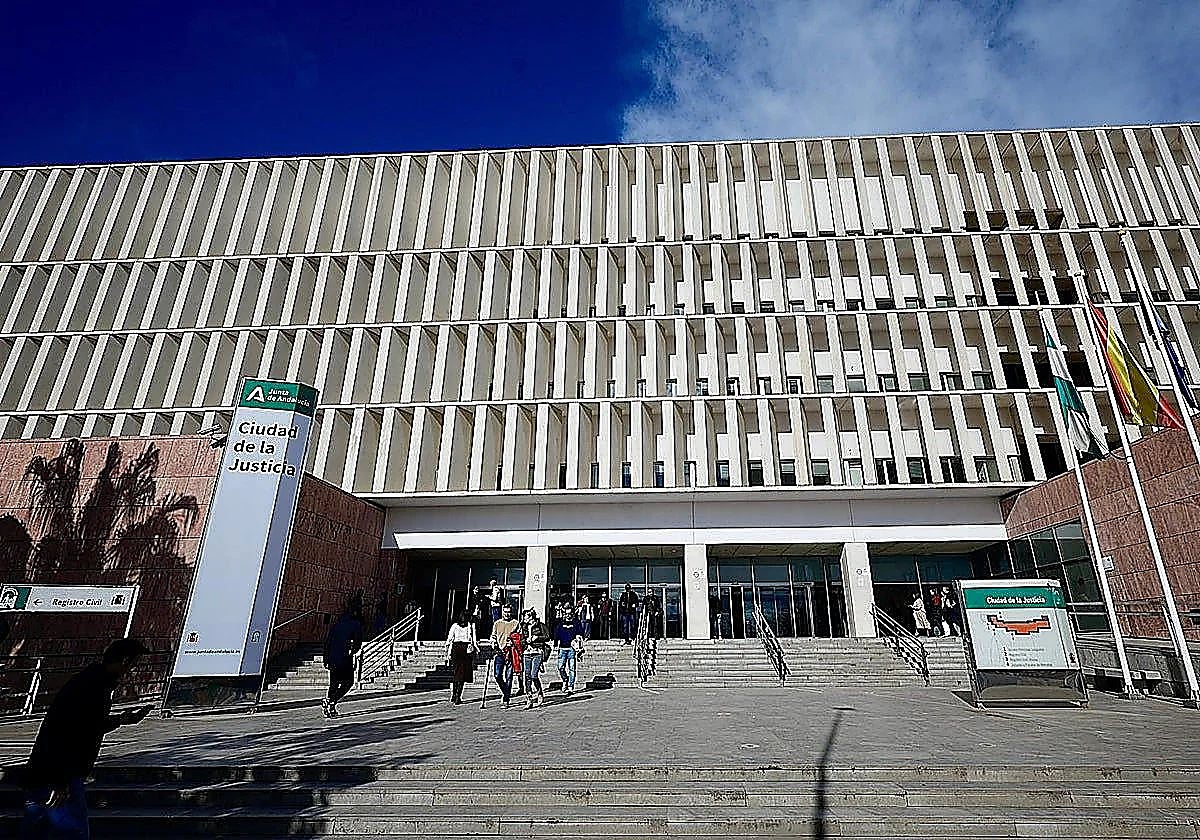

The provincial court of Malaga has convicted five members of a fraud network that promised its victims lottery prizes of up to 600,000 euros ... in order to get smaller, but still significant, sums of money from them. The crimes date back to 2012-2014.
The network operated from a flat in Benalmádena, where two of the defendants stayed. There, they drafted letters that they then sent to people living in Switzerland, Belgium and the Netherlands.
The letters appeared to come from the Spanish national lottery and betting organisation and informed the recipients that they had won.
To claim it, they simply had to pay small sums in advance to cover fees, handling charges or administrative costs.
The letters provided telephone and fax numbers, as well as the names of the individuals the victims were to contact to find out how to claim the alleged prize.
Once they made the payments, the victims heard nothing further from the fraudsters and never received any money from the prize they had supposedly won.
During a court-authorised search on 11 February 2014, police found one of the suspects drafting documents under the supervision of one of the other defendants.
The investigation revealed both failed attempts and successful scams. Among the former is the case of a woman living in Geneva who, after receiving a letter announcing a prize of 600,000 euros, decided to call the number provided but became suspicious. She filed a complaint in Spain.
A resident of Brussels also suspected fraud when he was asked to make a payment of 899 euros.
Other victims, however, did end up handing over the money. The ruling lists numerous payments made from Switzerland, Belgium and the Netherlands, ranging from 815 to 4,320 euros. Some of the victims even made several payments, convinced that this would enable them to claim the supposed prize.
According to the ruling, one of the defendants opened a bank account using a false Sierra Leonean passport under a fictitious identity. The document bore her photograph and was intended to facilitate the receipt of funds. She was arrested while attempting to withdraw money from that account, which the courts had already frozen.
Other defendants opened bank accounts solely for the purpose of channelling the money from the frauds. In some of these accounts, the investigators detected deposits totalling tens of thousands of euros, made by individuals whose identities could not be established during the investigation.
The offence of fraud
The public prosecutor's office found that four of the defendants had committed a continuous offence of fraud in conjunction with another offence of forgery of documents, while two others were charged as accomplices solely in relation to the fraud.
There were mitigating circumstances relating to compensation for the damage caused and undue delays. The latter is particularly serious, as the ruling highlights that the proceedings "have dragged on for almost seven years", despite the fact that the majority of the preliminary investigation concluded in 2015.
Prior to the hearing, several of the defendants set aside sums intended to partially compensate the victims. Ultimately, all of them accepted the prosecutor's charges, which enabled a plea agreement.
The ruling sentences four of the defendants to two years' imprisonment and a fine of eight months, while the accomplices will serve two years in prison and pay a five-month fine.
All must jointly compensate several of the victims: 4,025 euros to a victim in Switzerland, 2,439.58 euros to another victim and 1,670 euros to a third party, as well as 1,000 and 997 euros to two other affected parties. The ruling is now final.
![[]](http://static.vocstatic.com/voc26/latest/assets/images/favicon/surinenglish/apple-touch-icon-57x57.png)