
Roman history
Fuengirola to extend Roman city of Suel project to boost cultural heritage
Between 2019 and 2025, 1,500 square metres were excavated, the extension aims to uncover a further 500 square metres, where up to four salting pools could be discovered

Fuengirola
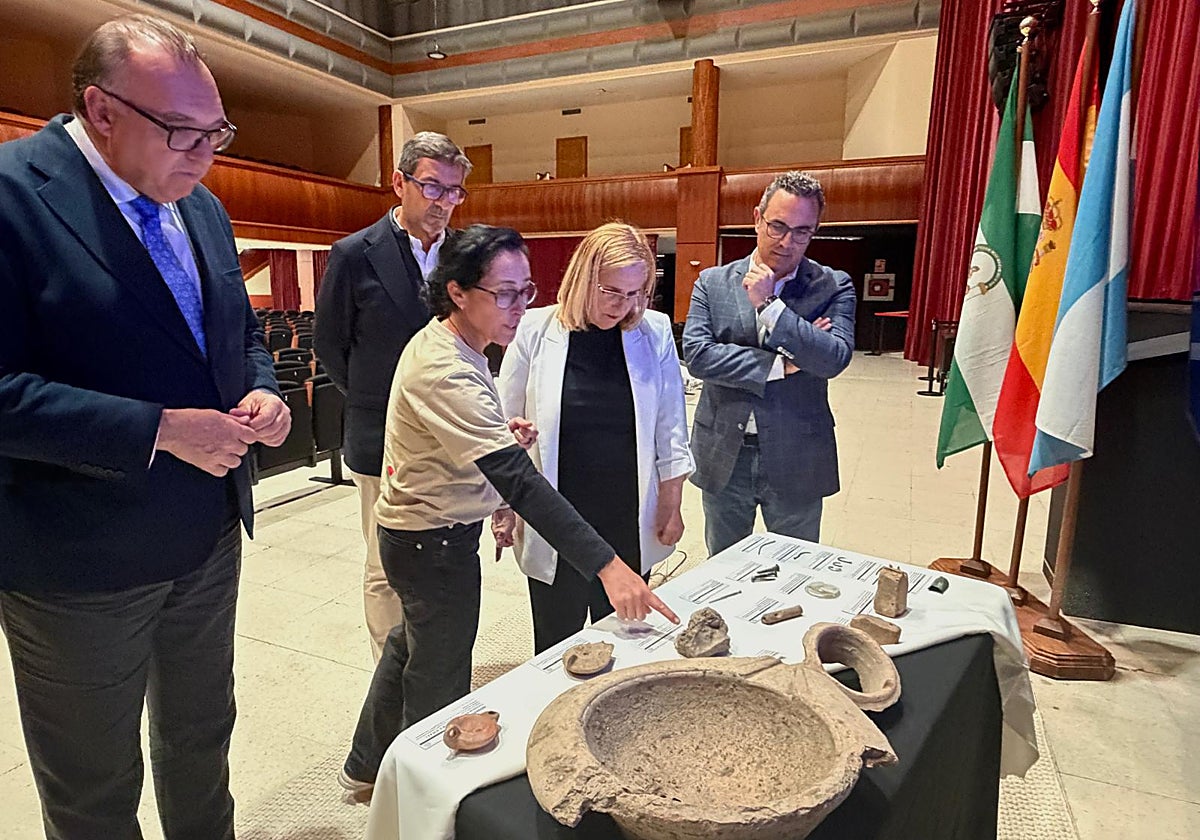
Fuengirola town hall has announced an extension of the archeological project at the Roman town of Suel, aiming to further boost the town’s historical heritage, Mayor Ana Mula confirmed.
The first phase of the project, carried out between 2019 and 2025, saw the excavation of 1,500 square metres.The extension aims to reach 2,000 square metres, with researchers hoping to discover four salting pools.
The extension has been approved by the Andalusian regional government, and minister of tourism Arturo Bernal explained that the project aims to shed light on activity in the region around Sohail Castle during the centuries before and after the birth of Jesus Christ.
Bernal described the Suel as a cultural asset and explained that the project will help clarify its historical timeline and in turn create new opportunities in tourism for the city
"The Roman town of Suel is much more than an archaeological site, it is essential to understanding the Andalusian coast's history and economic development in Roman times".
He said that the city "is much more than an archaeological site" and acts as a key to understanding the history of the Andalusian coast and its economic development in Roman times, particularly in relation to coastal trade.
The first stage of the project found archeological remains dating from the 1st century BC to the 7th century BC. Among them were skylights, a pedestal and evidence of maritime activity.
During the excavation, the digging team identified streets, as well as an urban grid corresponding to the Roman period in which there were garum (fermented fish sauce) factories, and a large building that may have served as a curia, a Roman church.
The extension will be carried out over five years and if salting pools are discovered they may provide further insight into the type of production and the species used in the manufacturing process of the salted fish in this period.
The project also placed a strong emphasis on public engagement. More than a thousand people, including schoolchildren, have visited the site during the excavation stages. Conferences were also held by the archeological team, featuring university researchers from across Andalucía to help share findings with the wider community.
The next steps
Mula announced that the latest works are backed by over 800,000 euros of municipal investment, as well as an additional contract awarded to the Unión Temporal de Empresas Suel, worth 582,000 euros. This will allow the technical team to uncover further traces of Roman history.
The project is also supported by several Andalusian universities as well as specialised archeological research institutes.
Click here for more heritage news.
![[]](http://static.vocstatic.com/voc26/latest/assets/images/favicon/surinenglish/apple-touch-icon-57x57.png)