
Crime
Spain's Ministry of Equality honours Dolores Vázquez in Madrid for Lesbian Visibility Day
The Mijas resident unjustly imprisoned for the Rocío Wanninkhof murder committed by British man Tony King receives official recognition 25 years after the Costa del Sol tragedy
Iván Gelibter
More than two decades after one of Spain’s most high-profile miscarriages of justice, Dolores Vázquez is set to receive an official apology through a national accolade. The Ministry of Equality will honour the Mijas resident later this month to mark Lesbian Visibility Day, acknowledging the role "lesbophobia" played in her 2001 wrongful conviction.
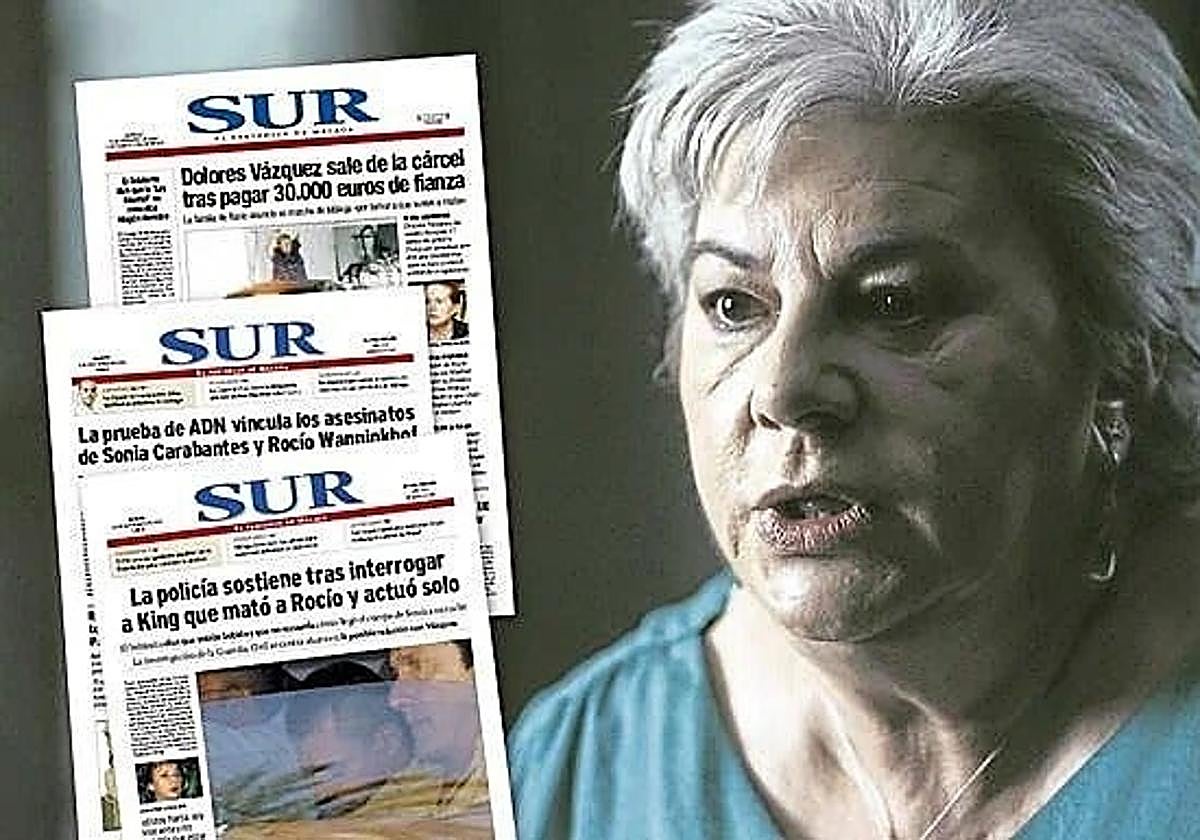
Vázquez, who lived in La Cala de Mijas, spent 519 days in prison for the murder of Rocío Wanninkhof. The crime, which shocked the Malaga province, was later proven to be the work of British serial offender Tony King, who was convicted of the 19-year-old's murder as well as that of 17-year-old Sonia Carabantes in Coín.
Despite a total lack of physical evidence, the original jury was heavily influenced by a media narrative that vilified Vázquez's sexual orientation. "I lost everything - my freedom, my life, my voice," Vázquez shared in her 2021 HBO documentary, Dolores: The Truth About the Wanninkhof Case.
As Dolores herself recounted in 2021, her life fell apart on 8 September 2000, when the Guardia Civil entered her home in La Cala de Mijas (Malaga province) to arrest her as the alleged murderer of Rocío.
"I remember it as a nightmare. Although it was 20 years ago, it comes back to me every day", said Vázquez. She added that, at the time, all she could think of was that this couldn't be happening, to her, it wasn't real. "They didn't tell me anything, they just assumed I was the murderer. I had no voice, no say, nothing. I believed in justice, but that day I stopped believing in it forever."
Despite the complete absence of evidence, a jury convicted Dolores in 2001. After the verdict was read out, those present in the courtroom burst into thunderous and spontaneous applause, including some of the journalists covering the case. That was the end of an ordeal in which her sexual orientation and an allegedly vindictive character served as the sole (but effective) tools for her conviction.
Now, more than 25 years later, it is the Spanish government of today that is recognising her as a leading figure in the LGTBQ+ community. The event, to be held on 27 April, will include a panel discussion focused on lesbophobia, bringing together prominent voices from activism, politics and academia.
Participants will include Paula Iglesias (president of FELGTB+), Beatriz Gimeno (renowned LGTBQ+ activist) and Marta Redondo (a professor at the University of Valladolid) in a conversation moderated by Eva Pérez Nanclares of the EuroCentralAsian Lesbian Community. The event will also feature a musical performance by Rocío Saiz.
The official ceremony will continue with the presentation to Dolores of the medal for promoting values of equality, in recognition of Vázquez's career. The ceremony will be presided over by the Minister of Equality, Ana Redondo. The Minister of the Interior, Fernando Grande-Marlaska, will also speak at the event.
Click here for more crime news.
![[]](http://static.vocstatic.com/voc26/latest/assets/images/favicon/surinenglish/apple-touch-icon-57x57.png)