
Immigration
Migrant workers in Malaga earn 29 per cent less than local residents
Trade union report highlights 5,000-euro wage gap driven by part-time contracts and temporary employment
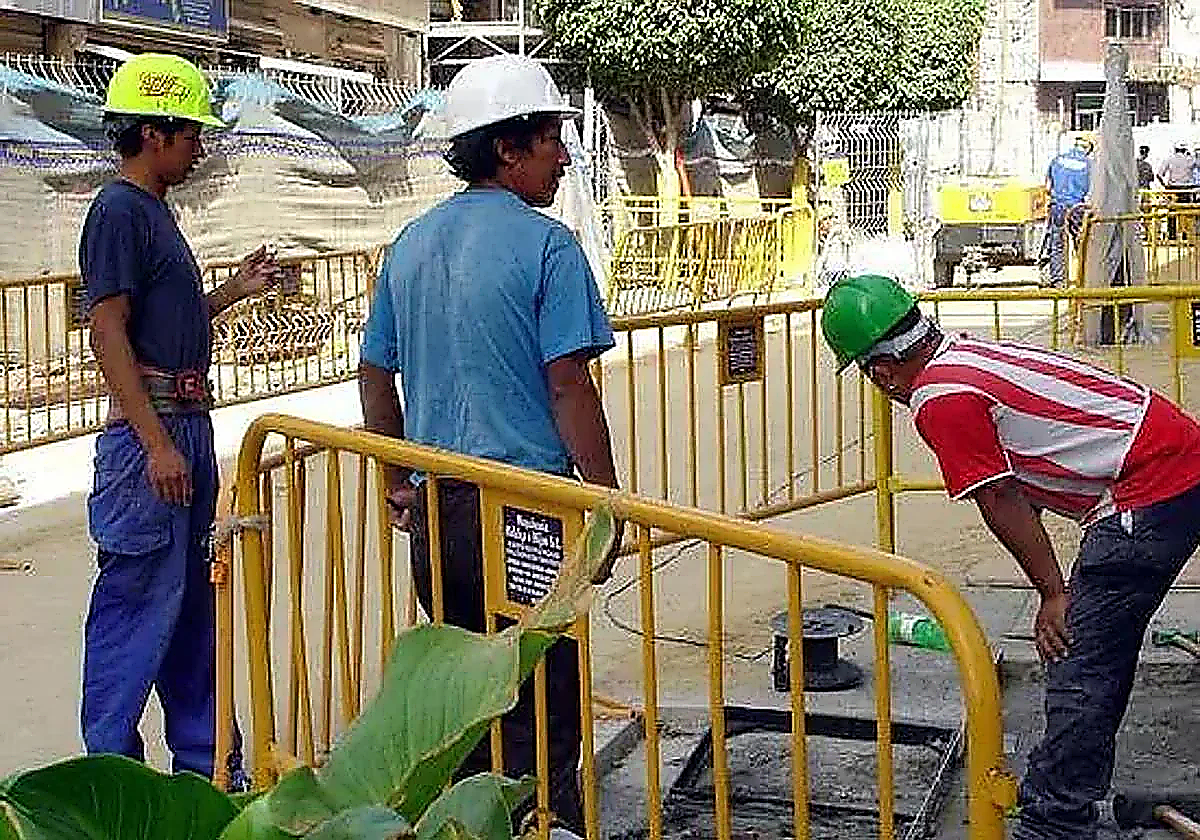

The wage gap between Spanish and foreign workers in Malaga province is 29.1%, according to Comisiones Obreras. This represents a decrease from 38.2% in 2022, but still a significant sum of about 5,000 euros less per year.
According to Comisiones Obreras, the average salary of Spanish workers in the province is 20,974 euros, compared to 16,246 euros for foreigners.
The narrowing of the gap over the past few years can be attributed to the progressive increase in the minimum wage (SMI), which mostly covers immigrant workers. This means that their wage has risen faster than that of local employees.
Why does a large pay gap exist between migrants and locals in Spain?
As Secretary General of Comisiones Obreras in Malaga Fernando Cubillo said during the conference on immigration on Monday, the wage difference can be explained above all by the higher rate of temporary and part-time work among migrants. According to data from the trade union organisation, a foreigner on average works the equivalent of 64% of a full working day throughout the year, compared to 77% for a local worker.
The wage gap between Spanish and foreign workers in Malaga is lower than in Andalucía, where it is close to 7,400 euros and exceeds 58%, and also lower than that recorded at national level, which exceeds 8,800 euros and is close to 54%. Labour intensity of the foreign population is greater in the province of Malaga, while the difference with the local labour force is smaller.
Malaga is also the Andalusian province with the highest number of foreign workers, with more than 121,000 as of February this year, followed by Almeria (around 86,400). They account for 16.5% of the workforce in the province, compared to 11% at Andalusian level, after growing by more than 20% in the last two years.
16.5%
of workers in the province of Malaga
are foreigners, more than in Andalucía as a whole, where they barely exceed eleven per cent
Expanding on the figures, Cubillo stated that 48% of immigrant workers in the province earn less than 10,000 euros. Furthermore, these same 48% represent the gender pay gap between foreign men and women in the city of Malaga. Women earn practically half of what men do. Across the province as a whole, the gender pay gap is 21%.
The union analysed the general situation of migrants in Andalucía in view of the forthcoming extraordinary regularisation process approved by the government.
Related story
-
 Cristina Vallejo
Regarding the number of people in Malaga province that this process could cover, Cubillo said that it is "very difficult" to determine how many of the workers who are not registered with Social Security are foreigners. According to SUR's estimates, the number is around 50,000.
8.5
billion euros per year
is what foreign workers contribute to the province's economy, which is 20 per cent of Malaga's GDP
According to the data, foreigners affiliated to Social Security contribute around 8.5 billion euros per year to Malaga's economy. Cubillo highlighted the importance of the regularisation process, which will help remove many workers from the underground economy in sectors such as "agriculture, commerce and hospitality".
Around 20,000 people in the shadow economy
Andalusian Secretary General of Comisiones Obreras Nuria López agreed with Cubilloa that the regularisation process is "a question of human dignity".
López demanded that the central government carry out the regularisation "with the greatest agility, increasing the public services that have to deal with it so that there are no bottlenecks". In addition, she called on the Andalusian regional government to "draw up a new immigration plan" and to collaborate in the regularisation process by providing the accreditations that certify the stay through health actions or active employment policies.
Nuria López also called attention to "hoaxes and fallacies": "The challenge for the working people of Andalucía is not the poor. It is the rich who exploit you, who make you work hours and hours without paying you what you are entitled to or the vulture funds that kick us out of our homes. That is the problem," López said.
The true impact of the suspension of the rail service
During the conference, Comisiones Obreras also analysed the impact of the suspension of the high-speed rail service with Madrid ahead of Easter. "Most tourists to Malaga arrive by plane. There is also data that shows that the war in the Middle East is diverting tourists to Spain. What we want to know is the objective data, not the forecasts of any company. What we agree on is that transport must be strengthened, not only for tourists, but also for the many workers who travel to the province," López said.
According to Cubillo, the report on the loss of employment for this Easter should be taken with a grain of salt, as recruitment has always been higher than forecasts in recent years.
![[]](http://static.vocstatic.com/voc26/latest/assets/images/favicon/surinenglish/apple-touch-icon-57x57.png)